
 English
 Français
 Deutsch
 Italiano
 Turkish
 Greek
 Serbian
Draft Law on Digital ID Card: Aims to Simplify Services and Reduce Costs




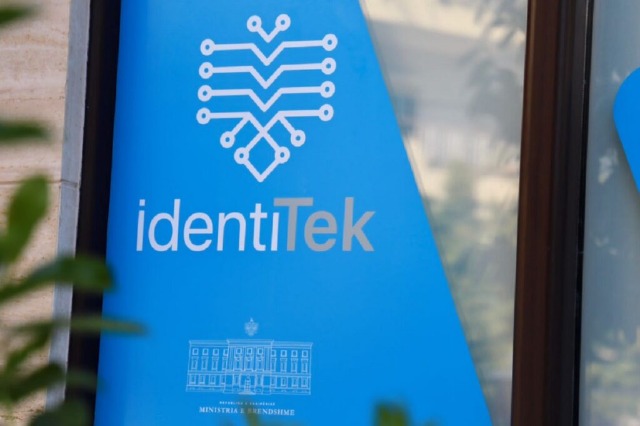
In addition to the physical identity card, Albanian citizens will now have the option to obtain a digital identity card.
A draft law submitted to the Assembly for amendments to the “Electronic Identity Card Law for Albanian Citizens” proposes the issuance of digital identity cards. This initiative aims to improve and standardize citizen identification methods in the digital environment.
The project aligns with the Albanian government’s digitalization agenda, focusing on the modernization of electronic systems and the implementation of secure e-ID services.
A digital identity, which facilitates personal recognition in the digital realm, will include essential personal information such as name, date of birth, address, and other key details.
According to the Ministry of the Interior, the approval of this draft law will standardize citizen identification at the European level and introduce a unified digital identity, improving communication and cooperation with European institutions and businesses.
Furthermore, a shared digital identity will support law enforcement in combating organized crime and internet fraud, enhancing the security and reliability of online transactions.
“Currently, no legal framework allows or regulates the use of digital identity cards. In the absence of such a framework, digital identification cannot be officially used for administrative, public, or private transactions. Despite the challenges of implementing this infrastructure, which will require significant funding, the project will yield positive social, economic, and environmental impacts,” reads the explanatory report accompanying the draft law.
The Ministry of the Interior highlights several key benefits of the initiative:
– E-ID enables citizens to securely and quickly verify their identity online, streamlining administrative processes.
– It reduces the need for in-person visits or waiting in lines at public administration offices.
– It facilitates access for groups who previously faced physical or geographical barriers to public and private services.
– It supports the inclusion of individuals with disabilities by offering accessible remote services.
– It enhances the security of personal data by providing more secure authentication and data protection methods.
– It significantly cuts down on the time and costs associated with administrative procedures.
The project will be implemented in three phases: infrastructure design and construction (1 year), a pilot project (1 year), and nationwide digital identity implementation (1 year), with ongoing maintenance. The total project cost is estimated at 5,012,645,600 ALL, with financial support provided by IdentiTek or other companies with the necessary technical and financial capabilities.
The creation of this technological platform will be guided by European Union regulations on digital identity.
The Ministry of the Interior, in collaboration with IdentiTek, the company responsible for producing and distributing biometric documents for Albanian citizens and foreign nationals residing in Albania, is advancing this proposal in line with the national regulatory framework.
The explanatory report for the draft law has been submitted to the Assembly for review.
/k.s/
Të ngjashme



Latest News





Most read










 RTI