
 English
 Français
 Deutsch
 Italiano
 Turkish
 Greek
 Serbian
STRASBOURG – GREVIO: Albania Has Made Progress in Efforts to End Violence Against Women




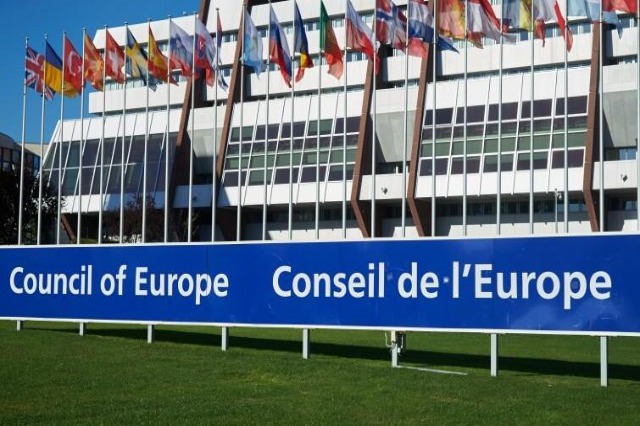
The Group of Experts on Action against Violence against Women and Domestic Violence (GREVIO), tasked with monitoring the implementation of the Council of Europe’s Istanbul Convention, commends Albania for the “comprehensive legislative changes” made since the release of its initial report in 2017.
This latest thematic report reviews the legislative reforms introduced, such as the law on measures to combat violence and regulate family relations, alongside the adoption of various regulations, general guidelines, and manuals aimed at addressing these issues.
GREVIO particularly praises the implementation and replication across all Albanian municipalities of a coordinated reporting mechanism, described in the report as a “pioneering project” that brings institutionalized and coordinated protection closer to victims of such violence.
Additionally, the report “recognizes efforts to simplify data collection through the introduction of a new database,” which allows authorities to better integrate data from other stakeholders.
The report states that further legal reforms are underway, including a comprehensive review of the Penal Code, which confirms the authorities’ commitment to building a solid and sustainable legal framework to prevent and combat violence against women and domestic violence.
These measures demonstrate the renewed commitment of Albanian authorities to preventing and protecting women from gender-based violence, which GREVIO welcomes.
Despite this progress in the implementation of the treaty, which entered into force in Albania 10 years ago, GREVIO also identifies areas requiring “urgent action” by authorities to fully comply with the provisions of the convention.
For instance, traditional beliefs and rigid gender roles and stereotypes remain a “serious challenge” in Albania, especially when it comes to sexual violence and rape, resulting in extremely low reporting rates of these crimes.
The report highlights that there is only one center for sexually abused individuals across the country, and it is underutilized.
GREVIO points to an “urgent need” for authorities to invest in further and more sustainable awareness-raising measures and to implement relevant support services.
Moreover, Albania still requires mandatory reconciliation in cases of rape and forced marriage, an issue that needs to be “urgently addressed.”
Similarly, the high number of reported cases of violence against women that enter the justice system but never result in convictions remains a significant challenge.
The report also criticizes the fact that only victims who report a crime can access specialized support services. Furthermore, the enforcement of eviction and emergency protection orders falls significantly short of the authorities’ commitments.
GREVIO noted “significant gaps between the political will for reform and the implementation of these provisions,” which continue to undermine victims’ trust.
GREVIO calls on authorities to implement “substantial reforms” in the healthcare system to ensure the provision of comprehensive health services for women and girls, including those with mental health issues. Standardized care pathways should be implemented not only to ensure the identification of victims but also to draft medical reports that detail the violence suffered.
Significant gaps were also identified in the provision of specialized care for victims of sexual violence, the report concludes.
/k.s/
Të ngjashme

Latest News


Most read










 RTI