
 English
 Français
 Deutsch
 Italiano
 Turkish
 Greek
 Serbian
Spiropali: Albania Stood with the U.S. and the U.K. on the Anti-Fascist Front




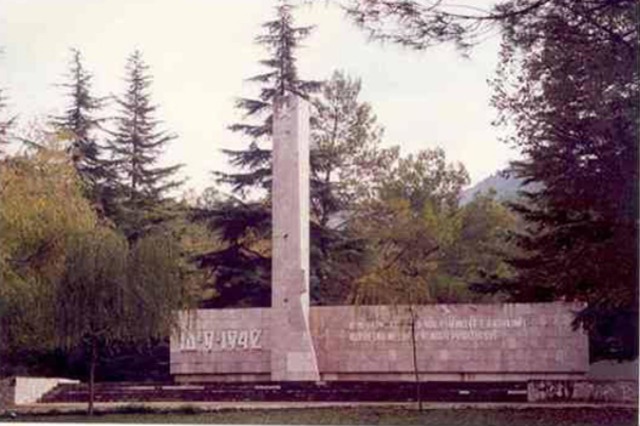
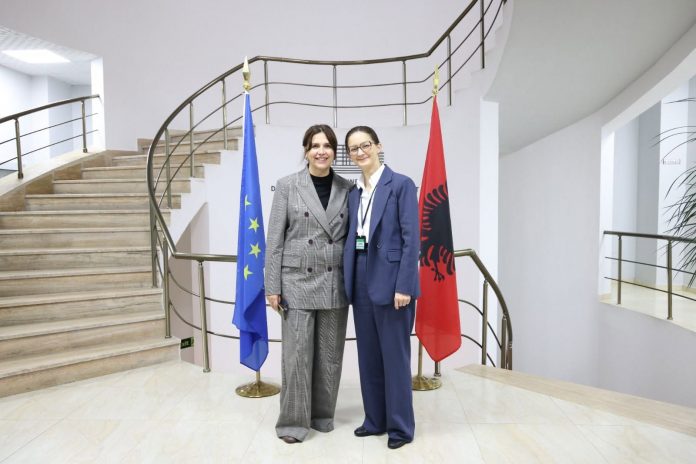
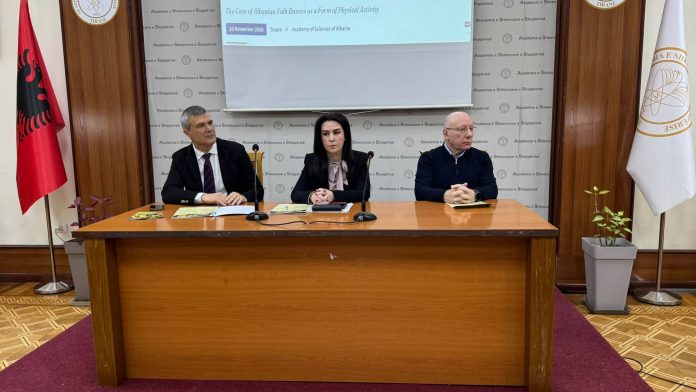
Today, Assembly of Albania, in collaboration with the Academy of Sciences and the Academy of Albanian Studies, held a scientific session titled “Albanian Anti-Fascism as a Societal Value.”
Assembly Speaker Elisa Spiropali emphasized the importance of the Peza Conference held on September 16, 1942. She explained that representatives from all political forces in Albania convened in Peza to create a unified strategy against the fascist occupiers, aiming for national liberation. Spiropali noted that this period was marked by a global struggle against the Nazi-fascist threat, which endangered individual freedoms and democratic values.
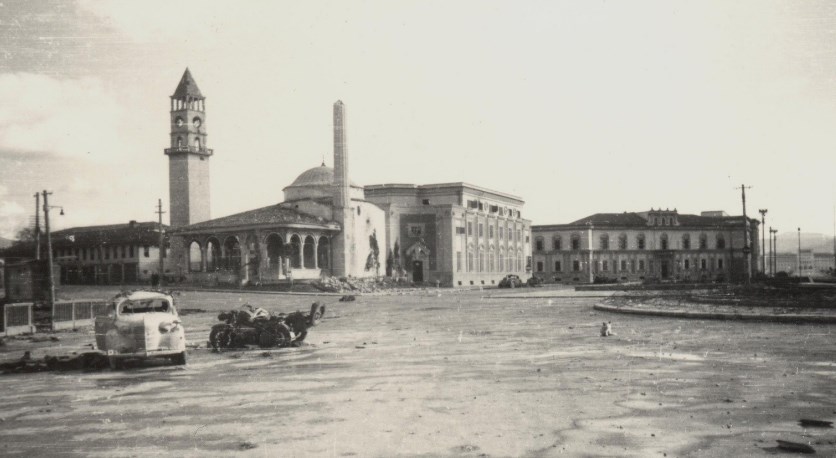
She pointed out that Albania was among the first to experience the impacts of World War II, with the conflict beginning in the Balkans in April 1939. Spiropali highlighted that while older generations have vivid memories of these events, the current generation, accustomed to democracy and personal freedoms, might find it challenging to fully grasp the significance of these battles unless similar threats arise today.
Spiropali praised the unity of Albanians during the war, despite differing ideologies, and underscored that the Peza Conference symbolized patriotic resistance against fascism. She affirmed that Albania’s alignment with the anti-fascist front, as defined by the Atlantic Charter of 1941, was a testament to its commitment to the principles of progress and collective security.
She concluded by reflecting on the moral guidance provided by the alliance of the United States, the United Kingdom, and the Soviet Union during the war. Spiropali stressed that the fight against fascism was a shared struggle with significant costs, even for smaller nations like Albania. Embracing anti-fascism as a societal value remains a widely accepted principle.
/a.p./
Të ngjashme

Latest News


Most read










 RTI