
 English
 Français
 Deutsch
 Italiano
 Turkish
 Greek
 Serbian
2023 census/ 36.4% of the residential buildings constructed after the year 2000




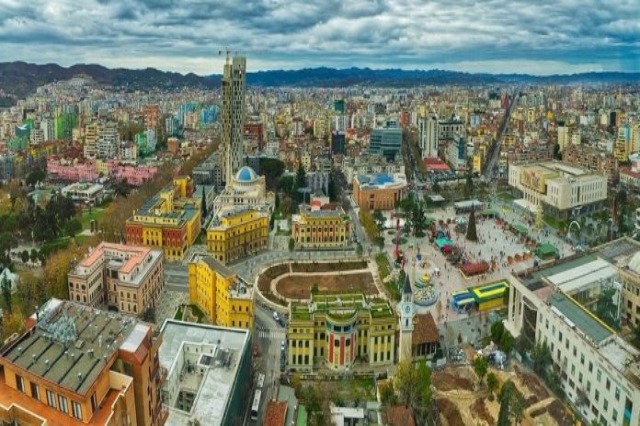
The census counted 1,082,529 ordinary residences. Individual houses represented 47% of these residences, while 39.9% were apartment buildings.
A small category of residences included semi-detached houses, 8.1%, and terraced houses, 5%.
The census gathered information on the number of ordinary residences and their characteristics, including basic services, floor area used for housing, and the construction period.
Of the total number of ordinary residences, at the time of the census, 726,325 or 67.1% were occupied, with 32.9% of ordinary residences unoccupied.
The rate of unoccupied ordinary residences varied from 24.3% for semi-detached houses to 39.4% for apartment buildings, while individual houses and terraced houses were 29.2% and 29.8%, respectively.
Occupied ordinary residences include 755,531 housing units for family economics and 2,384,418 residents.
36.4% of ordinary residences were built between 2001 and 2023, while over a 20-year period from 1981 to 2000, 37.5% of residences were built. Approximately one-fourth or 26.1% were built before 1981.
For occupied ordinary residences, the floor area used was one of the collected pieces of information that will be used to analyze ‘housing overcrowding.’ Nearly half of these residences (47.1%) had a floor area of 40-69 m², and around one-fourth (23.7%) had a useful space of 70-99 m².
The census estimated that 86.4% of occupied ordinary residences had running water inside the residence or building. Nearly all occupied ordinary residences (96.2%) had a toilet inside the residence or building. A small percentage (less than 0.1%) of the residences counted in the census were non-ordinary residences, housing approximately 400 household economic units (HEU) and 1,400 ordinary residents.

/k.s/
Të ngjashme

Latest News




Most read










 RTI