
 English
 Français
 Deutsch
 Italiano
 Turkish
 Greek
 Serbian
Hansen: European diploma, at the heart of the Higher Education package




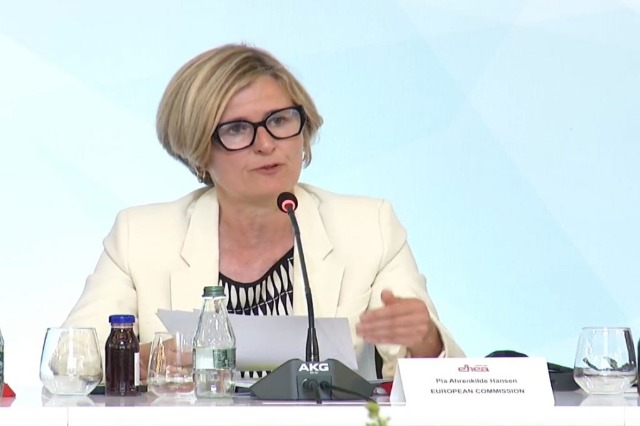
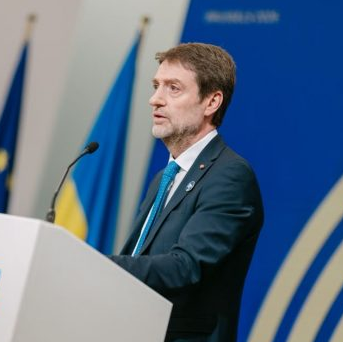
Pia Ahrenkilde Hansen, the Director-General for Education, Youth, Culture and Sport in the European Union attended the Ministerial Conference of the European Higher Education Area.
Hansen stated that 25 years after the Bologna Declaration, the Bologna Conference remains pivotal. “Higher education is more important than ever, as we heard radically stated by the Prime Minister,” said Hansen, inviting collaboration beyond borders, for the benefit of students and academic staff.
“We are pleased that more and more countries in the European higher education area have a clear European vision as candidate countries,” she said, listing achievements but also what remains to be done.
The ultimate objective of this intergovernmental and interinstitutional cooperation, bringing together students and academic staff, various sectors of higher education institutions, aims to strengthen the Bologna system, especially overcoming barriers to student mobility.
The implementation report of the Bologna system prepared specifically for this conference inventories all current programs in the implementation of Bologna tools and policies across the Higher Education Area.
Hansen stated that progress has been made, improvements have been achieved, but we have not yet reached our destination. The commitments of Bologna have not yet been fulfilled by all member countries. Cross-border quality assurance is still underdeveloped and constitutes only a fraction of the accredited program according to the European quality assurance approach.
“We welcome the commitments of ministers to publish concrete measures and action plans to address shortcomings and move forward with knowledge sharing. Quality assurance in higher education is the basis and cornerstone of international cooperation,” said the Director of Education, Youth, Culture and Sport in the EU, adding that she expects the proposal of the Tirana Communiqué, which will be adopted tomorrow.
She emphasized that full international cooperation cannot be achieved if students and academic staff do not enjoy the same level of protection of their fundamental rights. This, she said, is fundamental for the future of democracies.
Hansen said that this summer season involvement will reach 60 European universities and alliances involving more than 500 different types of higher education institutions across Europe.
Pia Ahrenkilde Hansen undersccored that the European Diploma, to be competitive in the job market, for which work must be accelerated for a common graduation program.
The European Diploma is at the heart of the Higher Education package, accompanied by proposals for quality improvement and automatic recognition of qualifications in this education.
This diploma will be based on a set of criteria agreed upon at the European level and will influence the balanced movement of students in Europe to be agents of change during their studies.
/k.s/
Të ngjashme
Latest News
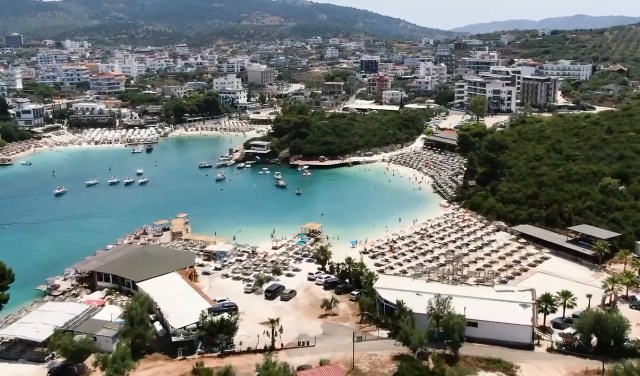
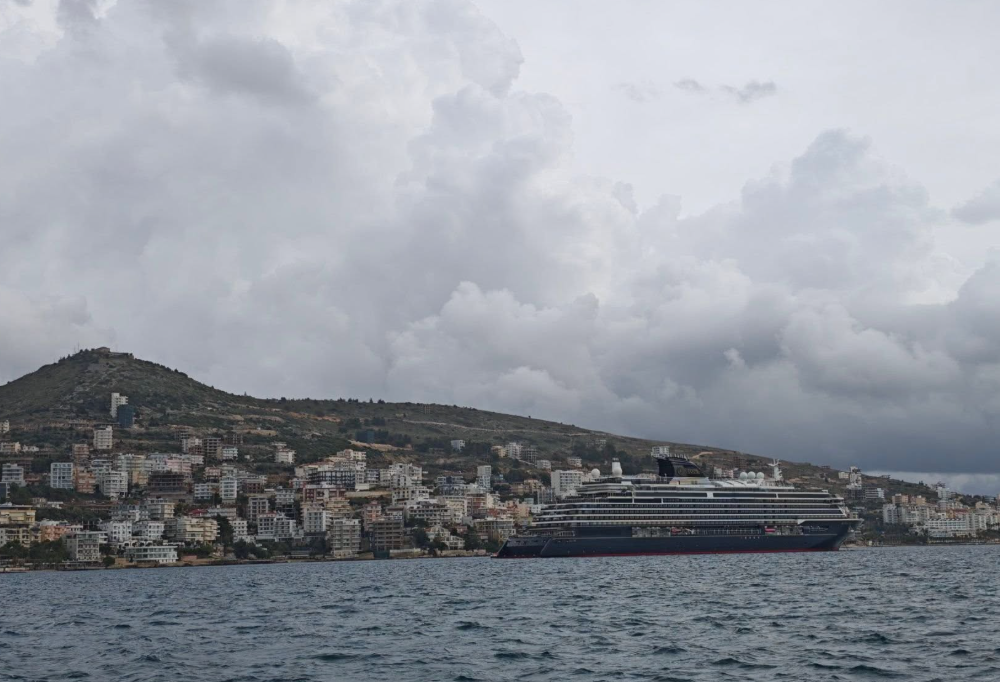
Luxury cruise ship Explora 2 makes first call in Saranda

Most read










 RTI