
 English
 Français
  Deutsch
 Italiano
 Turkish
 Greek
Greek Serbian
The second session of the Berlin Process, the 4 objectives and regional agreements




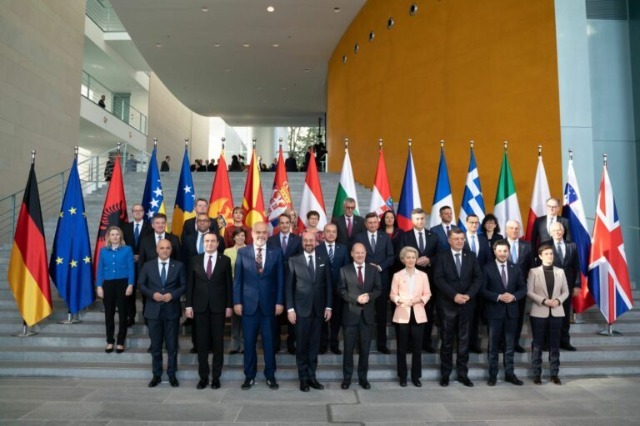
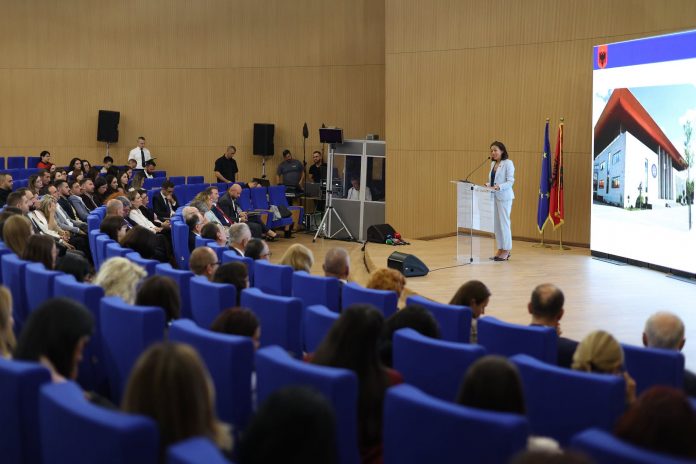
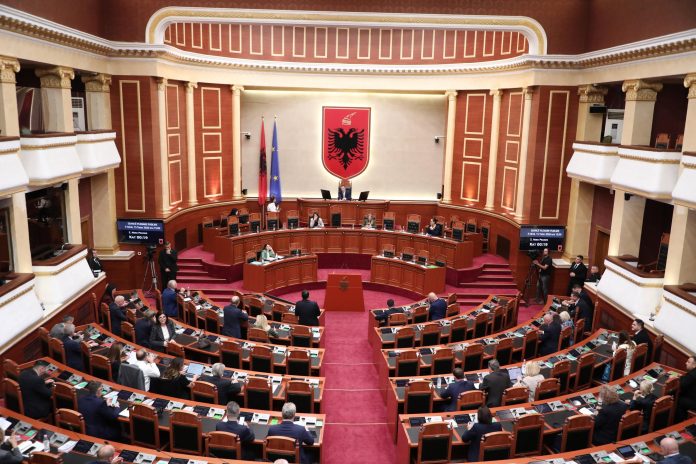
The second session of the Berlin Process Summit, which is taking place in Tirana, started in the afternoon. It discussed the support of the green and digital transition in the Western Balkans.
After these discussions, the College of Europe in Tirana was inaugurated. Another important point of the second session was the signing of the regional agreement for mutual recognition of professional qualifications.
In the late afternoon, there was a joint press conference between Prime Minister Edi Rama, German Chancellor Olaf Scholz, and EC President Ursula von der Leyen. While at the end of the Summit, the inauguration ceremony of the Tirana Pyramid is expected to take place.
What is the Berlin process?
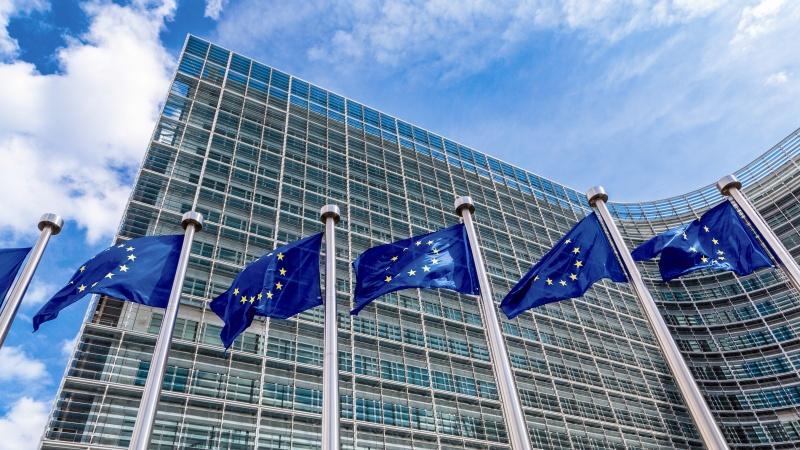
The Berlin Process is being developed with the support of the European Commission, international financial institutions and the member states involved in the Process – Austria, Croatia, France, Germany, Italy, Slovenia and the UK together with the WB countries. It is an additional aid to the institutional process of EU integration of the states, based on the approval of the Acquis-Communautaire.
4 objectives of the Berlin Process
The objectives stated at the beginning of this process remain unchanged: (1) the solution of internal, open bilateral problems between the countries of the Western Balkans, (2) the reconciliation between societies in the region, (3) the improvement of regional economic cooperation and finally (4) the establishment of a basis for sustainable growth of the region.
Other achievements of the Berlin Process are the Green Corridors, within the region and between it and EU member states, which facilitate economic growth and regional integration.
The implementation of the Regional Roaming Agreement will reduce communication costs between WB countries and with EU member countries by strengthening people-to-people connections.
Addressing open bilateral and internal problems within WB, achieving reconciliation within and between its companies remain challenges for the Berlin Process.
/a.p./
Të ngjashme

Latest News





 RTI
RTI