
 English
 Français
 Deutsch
 Italiano
 Turkish
 Greek
 Serbian
Wall Street Journal: Albania takes the lead in saving Afghan refugees




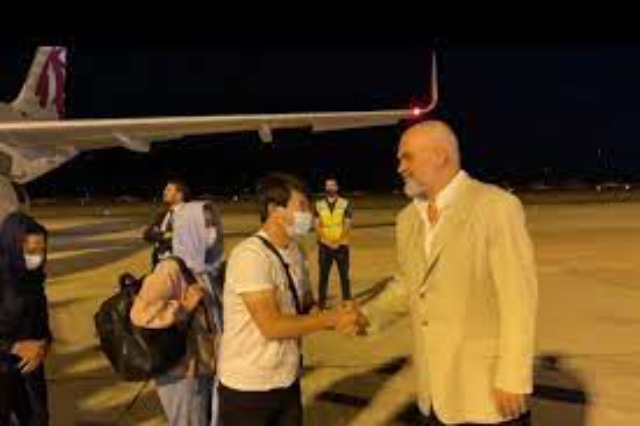
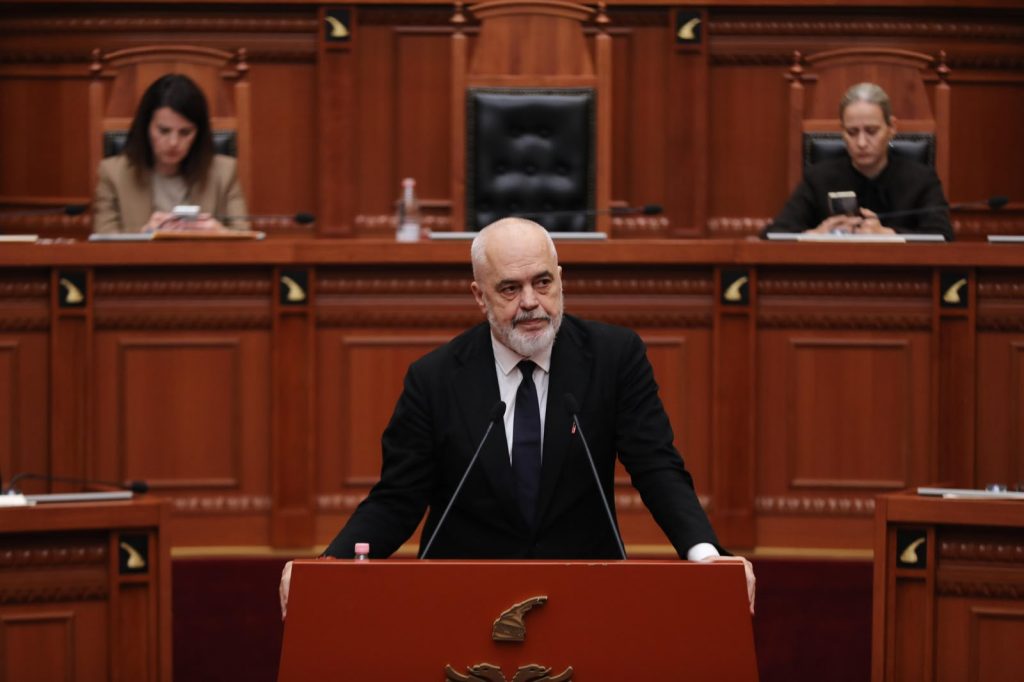
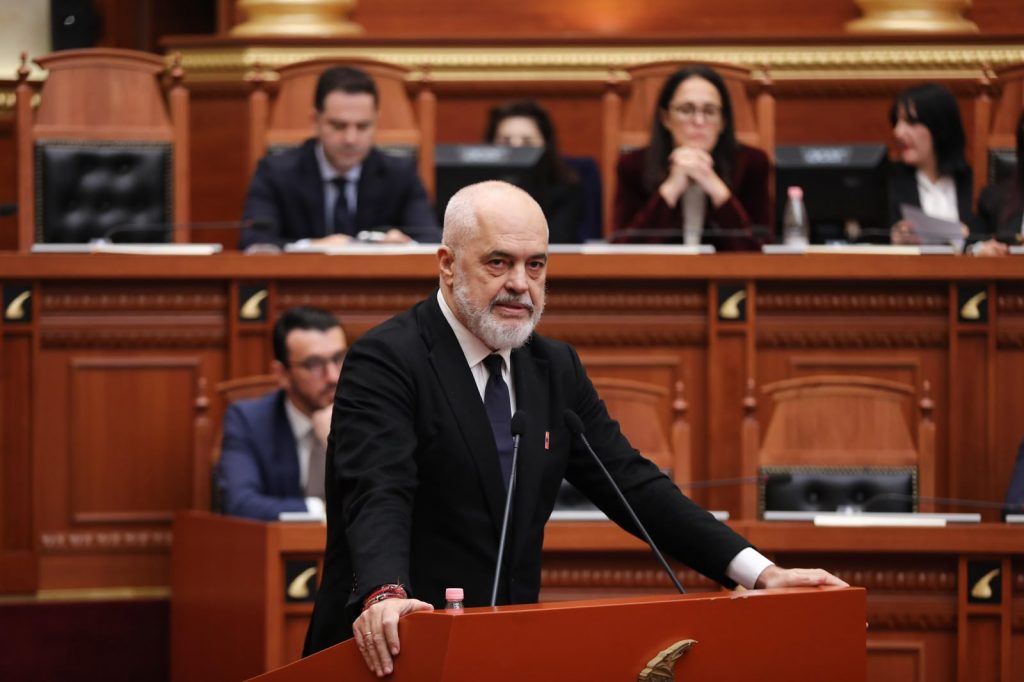
Four months after the last American troops left Kabul, Washington is still haunted by their withdrawal from Afghanistan – and the crises now perpetuating the country are hard to contain there. However, if there is a hopeful story to emerge anywhere since this year’s Afghanistan disaster, it could be here in the Western Balkans – an area where a generation ago was overrun with refugees. but it entered last summer as a surprise haven for people fleeing the Taliban. Headed in charge is Edi Rama, Prime Minister of Albania. Even before the fall of Kabul, Mr. Rama made the extraordinary decision to provide a temporary sanctuary to at-risk Afghans with nowhere else to turn.
Since the end of August, more than 2,000 such Afghans and their families – including prominent female leaders, journalists and civil society activists – have been recruited by third-party NGOs. evacuate here. (Among the participating NGOs was the Future of Afghanistan Fund, on which I serve.) Rather than try to hide or bring down this influx of foreigners, Albania’s leaders have receive them with national pride. When the first planes carrying Afghans landed at Tirana airport this summer, the Albanian prime minister was on the tarmac to greet them personally.
For refugees traumatized by arriving in a foreign land, Mr. Rama’s presence is a remarkable gesture – showing that Albania will see the Afghans not as a burden to be endured, but as honored guests deserve respect. For this reason, Mr. Rama banned the Afghans from staying in the camps, instead letting them stay at a beach resort complex.
The attitude of the Albanian leaders has been consistent at the working level. Whether arranging medical treatment, distributing winter clothing or organizing English classes, Albanians inside and outside the government are creative, tireless partners in caring for the people of Afghanistan. This is all the more impressive given Albania’s limited resources. One of Europe’s smallest and poorest countries has been one of the most generous in its response to the Afghanistan crisis.
“What we did is not considered extraordinary,” Mr. Rama told me in an interview. “How can we do otherwise?”
In explaining the decision to temporarily accommodate the Afghans, Mr. Rama and Foreign Minister Olta Xhaçka cited the Albanian people’s own experience with war and displacement during the upheavals in the Balkans in the 1990s. We know the feeling of being forced to leave your home, your country,” said Ms. Xhaçka. They also cite their nation’s heroism in rescuing Jews during the Holocaust. Muslim-majority Albania ended World War II with a larger Jewish community than before.
Skeptics warned last summer that Albania’s benevolence would backfire, triggering a political backlash of nationalism, the threat of terrorism or an influx of refugees. . No fear comes true. The Afghans who arrived in Albania were received through a carefully controlled process and in manageable numbers. They tend to be educated professionals with close ties to the West – the kind who are terrorized by Islamic extremists, not radicalized by them. For this reason, most also have strong cases for transitioning to the US
It is in Washington’s interest that Albania be vindicated rather than punished for their activism during this crisis — and before their philanthropic capacity is exhausted. The Biden administration should send US personnel to process the asylum requests of Afghans evacuated to Albania, so they don’t languish here indefinitely. Secretary of State Antony Blinken indicated to Congress in September this would happen, but it hasn’t happened yet.
In fact, the Biden administration has prioritized sending Afghans to US military bases over those being evacuated to third countries like Albania. But the incident at Kabul airport last summer meant that it was often arbitrary for someone to end up on an Air Force flight to Qatar or a charter flight to the Balkans.
Also arbitrary: The Biden administration has hinted that it may treat Afghans brought to Albania before August 31 differently than those who arrive after. This would be in contrast to the White House’s promises last summer that its commitment to the Afghans at risk would not diminish following the withdrawal of US troops. What is needed is a nationwide, US-led solution for the Afghan diaspora in Albania.
At a time when many Americans have lost faith in their ability to change the world for the better, Albanian leadership should be instructive. A quarter of a century ago, the United States successfully rallied transatlantic democracies to end the genocidal violence that was dividing the former Yugoslavia. Now, the Western Balkans can help remind a dismayed West what principled world leadership should look like — and why it’s still necessary.
Mr. Serchuk is the executive director of the KKR Global Institute and a senior supporting fellow at the Center for a New American Security.
Të ngjashme

Latest News
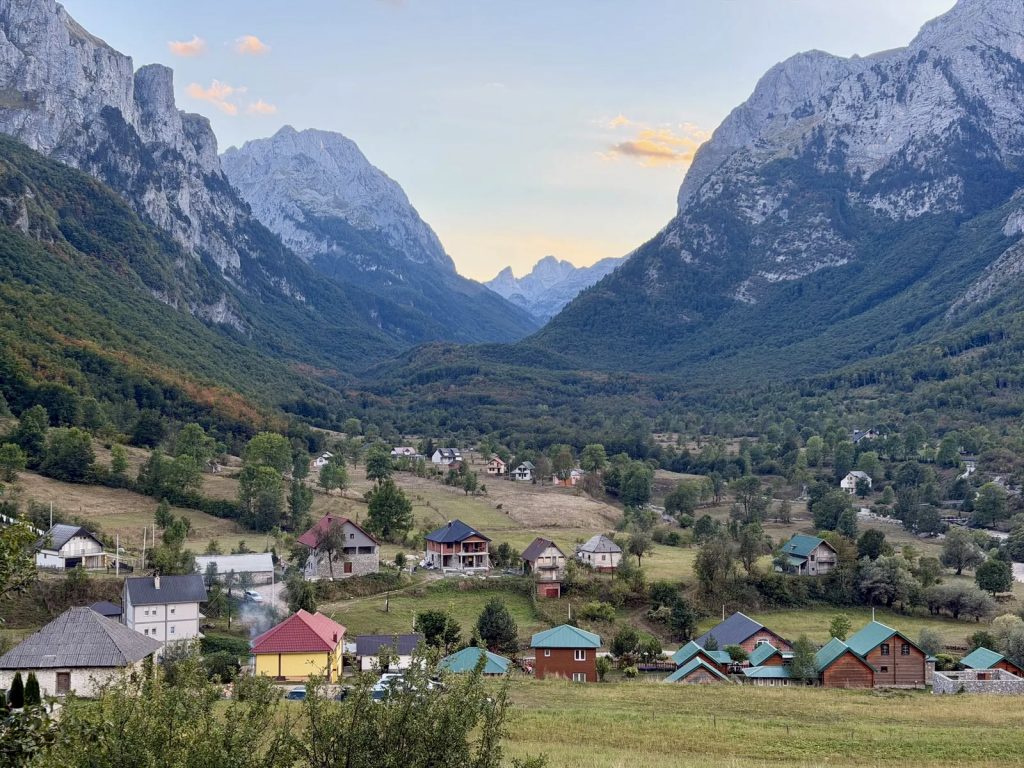
American magazine highlights Albania’s Peaks of the Balkans trail
Most read










 RTI