
 English
 Français
 Deutsch
 Italiano
 Turkish
 Greek
 Serbian
How pandemic changed the way of working in Albania; Working from home, a new trend




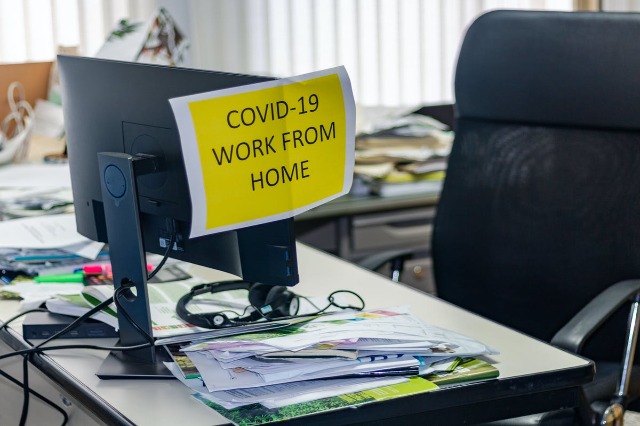
In the service sector, smart working will continue even after the pandemic. The banking sector is applying the new model which is hybrid work, which is expected to be the future of smart working, as it balances working with employees’ social commitments. The ‘smart working’ model that started to be implemented in the months of quarantine, as a necessity to continue the activity in the pandemic, currently for some service enterprises will carry on even in the future, as it turned out to be beneficial, while for others it is assessed as a transitional trend.
If in the period of isolation, smart working was considered the future for the call center sector, the inability to control employee productivity and making investments for security elements, caused the non-implementation of remote work by all. On the other hand, in some banks the implementation of the new model of flexible work has started, otherwise known as hybrid work (presence in the office of employees 1, 2 or 3 days a week).
Hybrid work based on the combination of office and home workdays has been shown to increase employee productivity, as it balances work with social engagements. The IT sector found it easy to implement work from home in the months of isolation. IT companies in Albania that provide services to third parties still continue to allow unrestricted work from home, but it turns out that smart working, for this sector is being applied more by employees in careers over 5 years, while the youngest prefer to appear physically in office.(Monitor)
/Klara Ruci/
Të ngjashme


Latest News

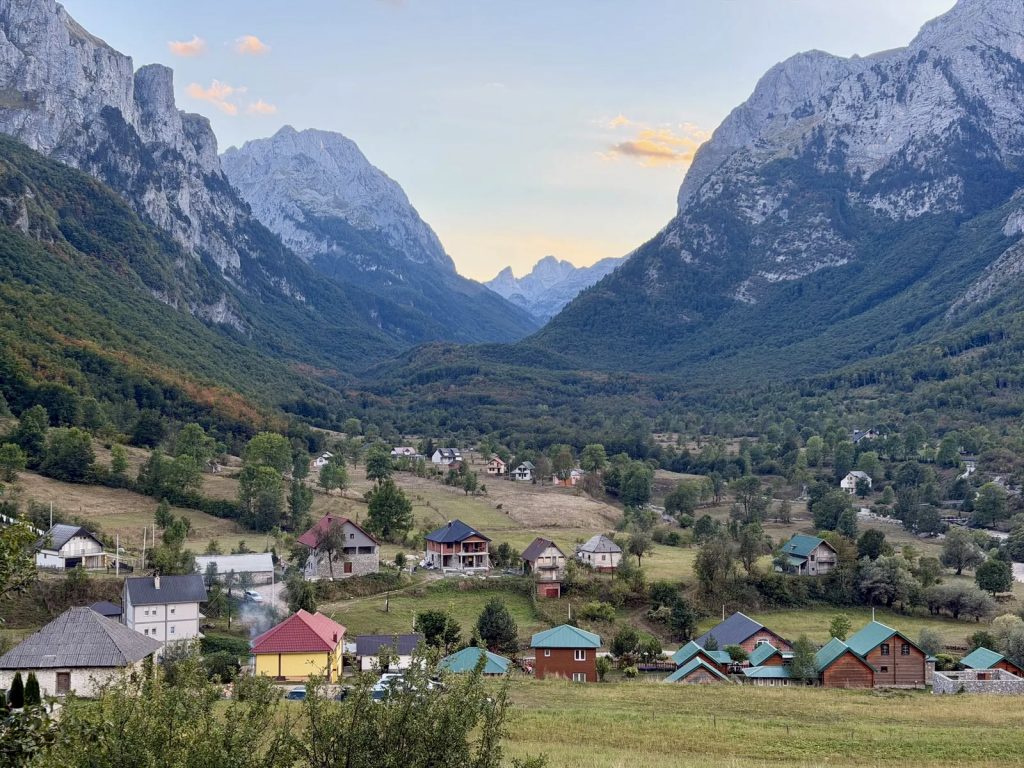
American magazine highlights Albania’s Peaks of the Balkans trail
Most read










 RTI