
 English
 Français
 Deutsch
 Italiano
 Turkish
 Greek
 Serbian
Albania is expected to vaccinate 60-70% of the adult population by the end of 2022




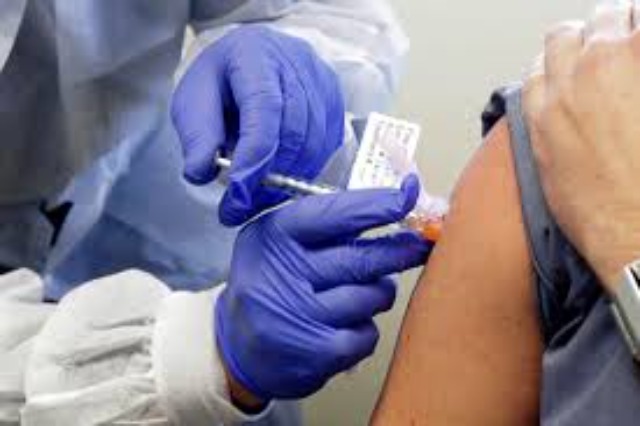
Albania is expected to vaccinate 60-70% of the adult population by the end of 2022, according to estimates by The Economist Intelligence Unit.
Most even developed countries are expected to establish herd immunity by the end of this year. The Economist Intelligence Unit (EIU) made the calculation taking into account criteria that include supply agreements, production constraints, population size and availability of healthcare workers, etc.
Developed Western European countries are expected to establish herd immunity later this year, along with the United States, while the rest, including Canada, Russia and Latin America, New Zealand, Australia and South Africa are expected to establish herd immunity by mid-2022.
While the countries of the Western Balkans, including Albania, as well as a part of the countries of Central Asia and Africa and Latin America will complete the vaccination at the end of 2022. Finally, during 2023, the vaccination process for African countries will be completed , some countries in Asia and Latin America.
On January 22, Pfizer reported that it had signed a supply agreement with the Covax initiative for 40 million doses to be distributed in 92 developing countries, including Albania in 2021.
“The first doses are expected to be delivered in the first quarter of 2021, depending on the negotiation and execution of supply agreements under the structure of the COVAX Facility at a non-profit price,” Pfizer officially announced.
There are currently 50 vaccines being developed to fight Covid-19, according to the World Health Organization, but only 12 have passed the third and final phase of human testing but not all have been approved by EU and US authorities for use.
In early 2021, three vaccines, from Pfizer (USA) -BioNTech (Germany), Moderna (USA) and AstraZeneca-Oxford University (UK), began to be distributed in developed countries. Meanwhile, Chinese and Russian vaccines are being distributed both domestically and to developing countries such as Egypt, through bilateral diplomatic agreements. This will bring about so-called vaccine diplomacy, with Russia and China trying to strengthen their global status through the distribution of vaccines, the EIU reports.
Finally, several other middle- and low-income countries will rely on COVAX, a WHO-led initiative that aims to provide 6 billion doses of vaccine to poor countries. The first 2 billion doses will be given in 2021, mainly to healthcare workers (the COVAX dose will cover only up to 20% of the population of each country). However, COVAX supplies may be slow, especially if delays in production and distribution in richer countries delay delivery dates for poorer countries. In these developing countries, massive vaccination coverage will not be achieved before 2023, or may never happen, according to the EIU.
/Klara Ruci/
Të ngjashme

Latest News




Most read










 RTI