
 English
 Français
 Deutsch
 Italiano
 Turkish
 Greek
 Serbian
Births have experienced the largest decline in the Region of Vlora and Kukes





Since 2011 when the population of Albania was registered through a large census, the number of births has decreased dramatically by 22%, distributed in all regions of the country, but in some of them, the decline has been stronger.
According to INSTAT data, Kukës Region marked the largest decrease in births compared to other regions, where during the period 2011-2019 newborns have decreased by 48.5%. The northern county of the country, although currently with the highest fertility rate, has experienced the largest decline in fertility due to high emigration during the period.
In 2015-2016, Kukes was engulfed by a major wave of immigration where entire neighborhoods were emptied seeking economic asylum in the EU. According to an INSTAT survey, 10 thousand 541 families emigrated from Kukes Region during 2011-2019.
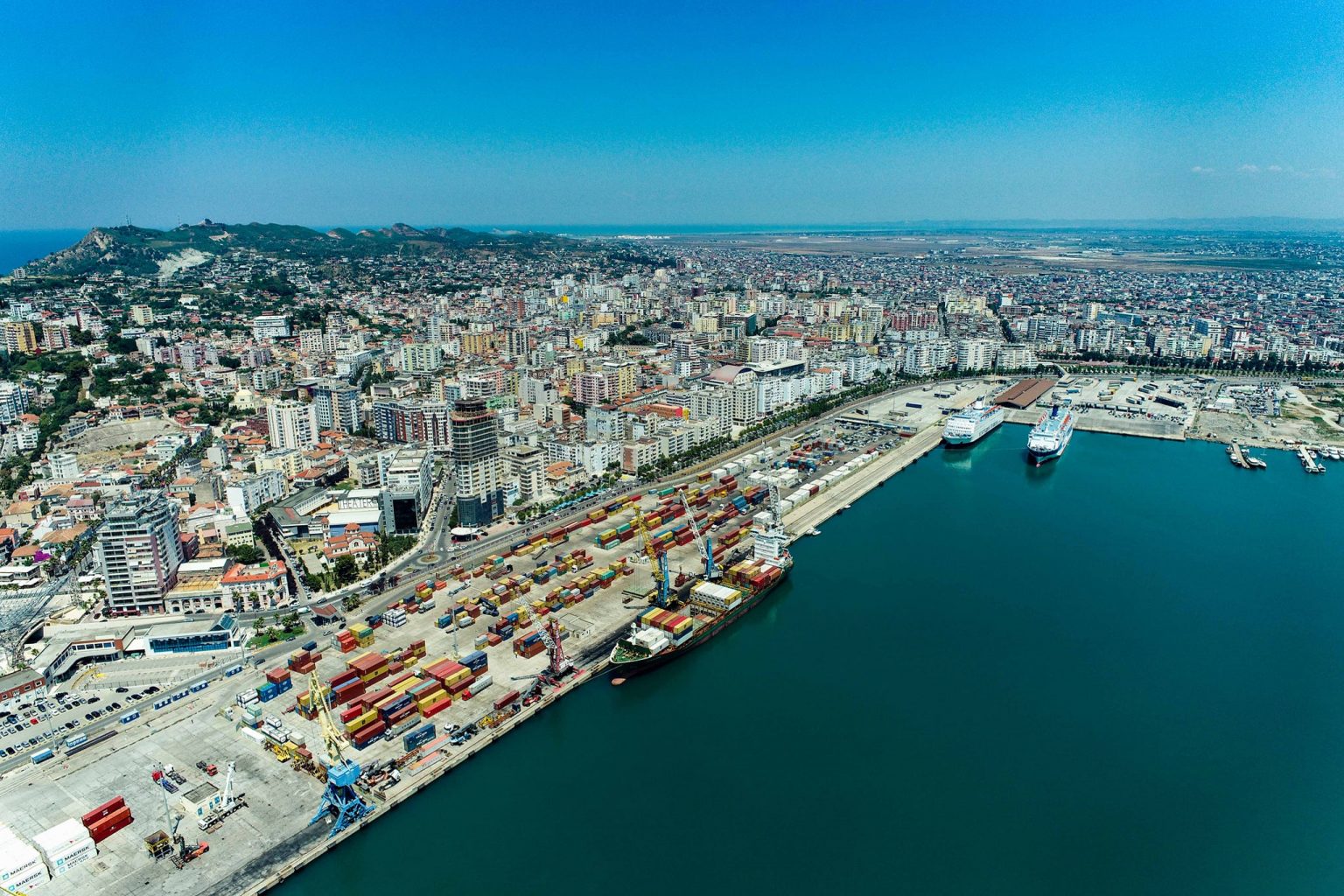
After Kukës, births have experienced the largest decline in the Region of Vlora, where the number of babies in 9 months fell by 37% compared to the same period in 2011. After Vlora the decline was over 36% in the regions of Berat and Gjirokastra. In Fier, births have decreased by 32% over the decade, in Korça by 28%, Elbasan 27%, Lezha 26%, Dibër 25%, Shkodër 22%, Durrës 18% and Tirana 8.6%.
The decrease in births comes as a paradox in the Region of Tirana, where the population of the region has increased during the period, but the number of births has decreased by 8%.
The INSTAT emigration survey has revealed that over the past decade, a large number of families have emigrated from the capital. According to the INSTAT survey, 10% of families left the capital during 2011-2019.
In 1990, when Albania affected the market economy after 45 years of isolation, the number of births was over 82 thousand babies in one year. But after 29 years with massive exodus events of Albanians abroad, births suffered a drastic decline by 65% in 2019.
Looking at the historical birth trend since 1991, a clear link is seen with immigration. Fertility fell systematically in 1992, 1993 and 1994, influenced by the first wave of emigration. By 1996, more than 600,000 Albanians had fled the country.
The bad year 1997 marked the second largest exodus of Albanians, with over 100 thousand people leaving the country in one year. Hemorrhage would continue in later years, negatively affecting fertility until 2009. Then, for almost five years in a row, there was immigration stabilization and also births stopped declining and began to increase until 2015. But the phenomenon of Low fertility has been increased in recent years.
/Klara Ruci/
Të ngjashme



Latest News






Most read










 RTI