
 English
 Français
 Deutsch
 Italiano
 Turkish
 Greek
 Serbian
Celebrating 66 Years of Albania’s Membership in UNESCO




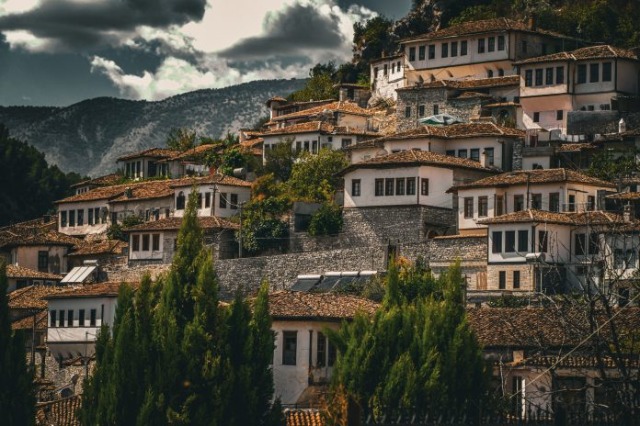
On October 16, 1958, Albania became a member of the UNESCO organization. With 194 member states, UNESCO protects 1,223 invaluable World Heritage sites, which serve as evidence of human life and activity throughout the centuries.
The United Nations Educational, Scientific and Cultural Organization (UNESCO) aims to promote the identification, protection, and preservation of cultural and natural heritage worldwide. The 1972 Convention concerning the Protection of the World Cultural and Natural Heritage recognized that certain places on Earth possess “outstanding universal value” and should be part of the common heritage of humanity.
What makes the concept of World Heritage remarkable is its universal application. The sites protected by UNESCO belong to all the peoples of the world, regardless of their territorial location.
On the World Heritage list of this organization, there are nine Albanian material and spiritual assets that collectively represent the charm of Albanian culture and nature.
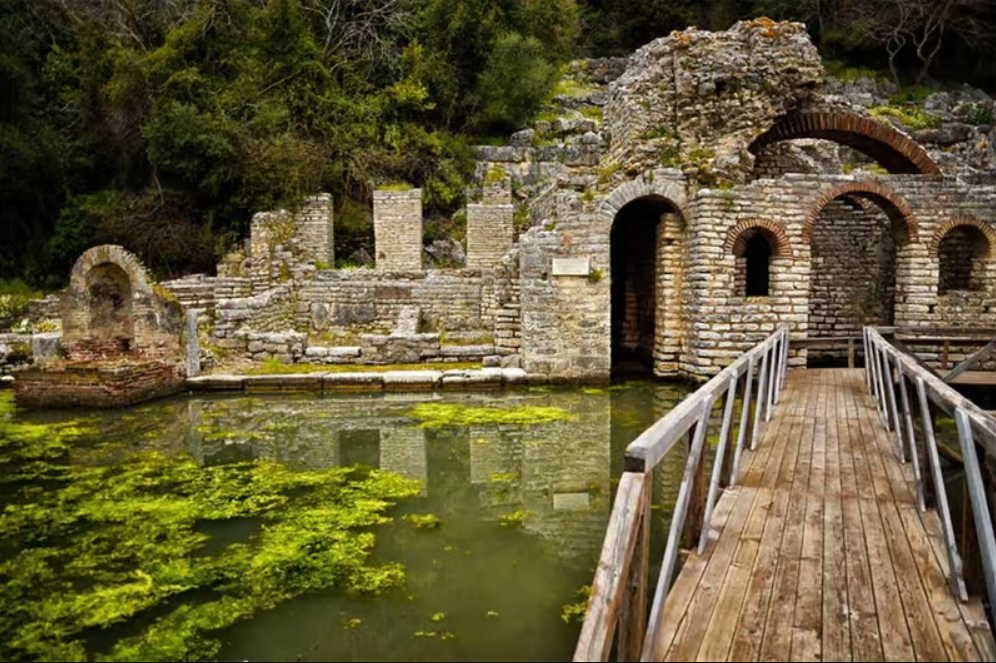
Among the Albanian sites registered in the global memory are: Butrint, noted for its diverse landscape and artifacts of Greco-Roman culture; the city of one thousand and one windows, Berat, recognized for its architectural values; and the stone city of Gjirokastër. These are historical centers of UNESCO’s global heritage, which also include Lake Ohrid and the Ancient Forests of Ahut (Rrajca and the Gash River). The World Heritage list also includes Albanian isopolyphony, the xhubleta (a traditional garment), the Purple Codex of Berat, and transhumance, known as the tradition of livestock migration.
/a.c/
Të ngjashme

Latest News










Most read










 RTI