
 English
 Français
 Deutsch
 Italiano
 Turkish
 Greek
 Serbian
Explore the Depths of Albania’s History at the National Historical Museum




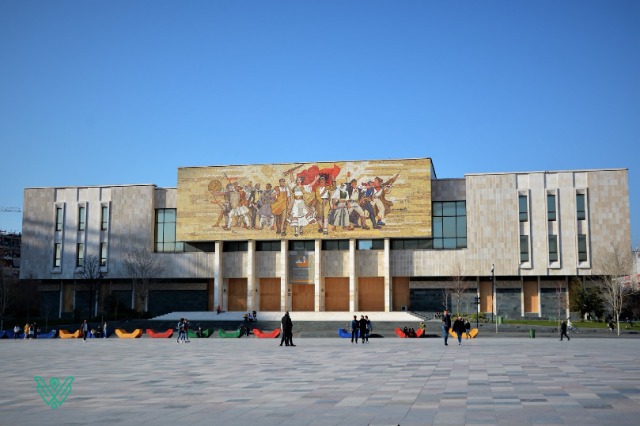
The National Historical Museum of Albania, established on October 28, 1981, serves as a vital hub for understanding and appreciating the country’s diverse heritage. With an impressive area of 27,000 square meters, it houses approximately 4,750 artifacts spanning from the 4th millennium BC to the late 20th century, showcased across eight thematic sections.
Exhibition Highlights:
-
Antiquity Pavilion: Featuring around 400 objects, including artifacts from the Illyrian civilization and the notable silver belt buckle of an Illyrian prince.
-
Middle Ages Pavilion: Showcasing Albania’s resistance against foreign invasions, with important displays like the monumental gate from the Monastery of St. John Vladimir.
-
National Renaissance Pavilion: Highlighting Albania’s struggle for independence, including exhibits related to Skanderbeg and the country’s first government in 1912.
-
Iconography Pavilion: Displaying 65 religious icons from renowned Albanian painters, reflecting Byzantine traditions.
-
Ethnography Pavilion: Featuring traditional costumes from the 19th and 20th centuries, including Arbereshe attire.
-
Anti-Fascist Pavilion: Covering Albania’s resistance during World War II, with a focus on volunteers in the Spanish Civil War.
-
Communist Genocide Pavilion: Documenting the persecution of political opponents during the communist era, showcasing personal artifacts of victims.
The museum not only preserves and presents Albania’s historical and cultural legacy but also fosters dialogue about its past, present, and future through educational events and exhibitions. Visit the National Historical Museum to embark on a journey through Albania’s captivating history!
/a.c/
Të ngjashme




Latest News










Most read










 RTI