
 English
 Français
 Deutsch
 Italiano
 Turkish
 Greek
 Serbian
Nasufi: Legal innovations in “Protected Areas”




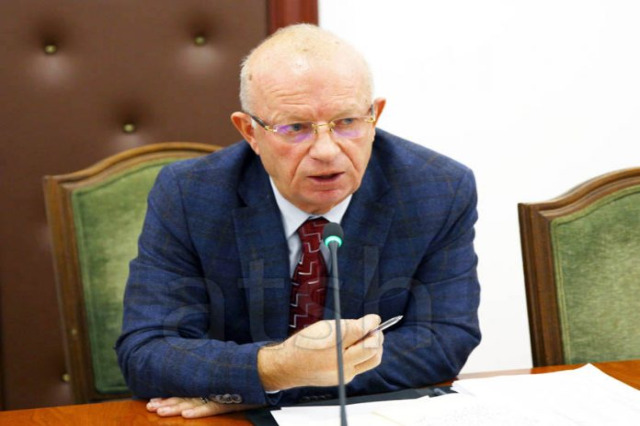
The changes in the law on protected areas aim to introduce new concepts for categorizing protected areas, addressing the needs of communities while maintaining the fundamental principle of protecting and preserving these areas.
Fadil Nasufi, a deputy of the Socialist Party and a proponent of the initiative along with several other deputies from the majority, has outlined some of the innovations that will result from the legal changes in the law on “Protected Areas.” These changes are expected to be approved this Thursday in the Assembly.
“The purpose of the draft law is to address issues that have arisen from the implementation of the existing law, particularly regarding the cooperation between local government, communities, and the administration of protected areas,” stated Nasufi.
“These problems have arisen due to the approach taken in drafting the law in 2017, which was focused strictly on protection and did not sufficiently consider the communities living in these areas. With protected areas now making up 21.5% of the entire territory of the Republic of Albania, which is more than 1/5 of the country, there is a need to find solutions to address these issues without compromising the fundamental principles of their operation, namely their conservation and protection,” Nasufi explained.
“For this reason, the changes proposed in this draft law aim to introduce new concepts for categorizing biodiversity in the country based on their importance, as well as allowing for more frequent updates. Additionally, they provide an opportunity for local government and communities to be involved in decision-making,” Nasufi continued.
Nasufi stated that the legal changes address the problems identified during the implementation of the existing law.
“The draft law aims to reformulate the principles of management of protected areas, adding the principle of suitability, the principle of categorization of objectives, and the principle of flexibility of management. These additions are intended to increase efficiency in the management process of these areas, based on IUCN principles. The bill also aims to guarantee public access to protected areas and to redefine the types of environmental protected areas according to the type of interest for which the status of protection was obtained. This includes adding the category ‘protected areas of local interest’ to facilitate their management by local government institutions,” Nasufi highlighted.
He stressed that the law aims to empower municipalities to manage a portion of the protected areas that are within the territories they administer.
He affirmed that in order to reach the final draft, a series of consultations and discussions were conducted.
“The consultation process for the draft law began with its publication on the platform ‘Consulting of draft laws’ on the official website of the Assembly, from December 7 to 21, 2023. Concurrently with the publication on the platform, communication was initiated to receive opinions from interest groups through the electronic address of the Committee for Production Activities, Trade, and Environment, as well as through letters addressed to the President of the Assembly, the chairman of the committee, and the deputies of the Assembly. The opinion of the Council of Ministers was also sought. Additionally, hearings were held with representatives of interest groups, associations, and organizations operating in the field of environmental protection, with experts in the field, and with representatives of higher education institutions and academic staff from January 30 to February 12, 2024,” Nasufi pointed out.
Nasufi explained that the legal changes aim to address the issue of enhancing the management of protected areas.
Albania, with its announcements and decisions made over the years, designates 21.4% of its territory as “protected area,” which includes 12 national parks, 718 natural monuments, 23 managed nature reserves, 11 protected landscapes, 14 world heritage sites, and others. The ecosystem, along with its flora and fauna habitats, is diverse and rich in biodiversity. We believe that Albania cannot afford to limit itself to the constraints of development by not utilizing 21.4% or almost 1/5 of its total surface with restrictive or obstructive policies. Treating protected areas as isolated islands, devoid of community and tourist engagement, as well as lacking institutional interaction between local and central governments, is not a viable approach.
/m.ll/
Të ngjashme
Latest News

Kolkondas: Where History, Art and Faith Come Together
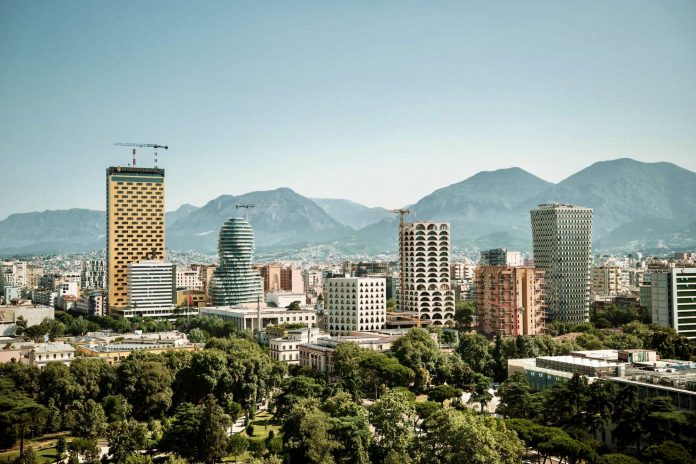
The UK iPaper highlights Tirana’s growing cocktail scene
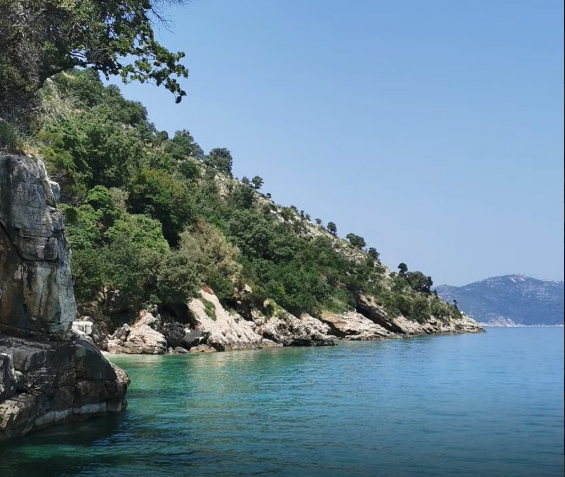
Cosmopolitan UK features Albania in five-day summer trip for women
Most read










 RTI