
 English
 Français
  Deutsch
 Italiano
 Turkish
 Greek
Greek Serbian
Albanian photographer Gegë Marubi




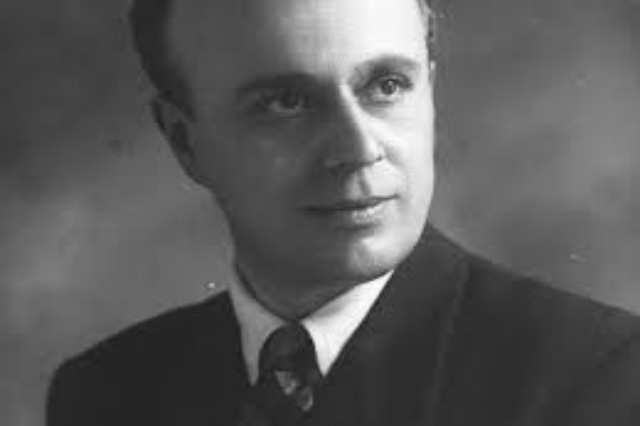
When we speak of Albanian photography, we refer to the Marubi Dynasty, which began with Pjetër Marubi in the mid-19th century, continued with Kel Marubi, and concluded with me, Gegë Marubi, in 1984.
Gegë Marubi was an Albanian photographer and son of Kel Marubi. He was the last photographer of his family and is regarded as one of the most prominent Balkan photographers of his generation.
May 28th, 2024, marked the 40th anniversary of Gegë Marubi’s death in Shkodër, signifying the conclusion of an era for Albanian photography. Marubi, the third generation in a lineage of renowned photographers, left an indelible mark on Albanian culture through his pioneering work.
Gegë Marubi, born in 1907, grew up in this environment, assisting his father in the studio and showing early promise in photography.
Recognizing Gegë’s potential, his father sent him to France for training at the prestigious “Lumiere & Joungla” school of cinematography and photography in Paris. Gegë became the first foreign student there, enriching his skills and knowledge.
Returning to Shkodër in 1927, Gegë revolutionized the family studio, incorporating new techniques and experimenting with various photographic styles. He excelled in studio portraits and ventured into landscape photography, demonstrating his mastery of the craft.
In the 1930s, Gegë pushed boundaries with innovative techniques like relief and infra-red ray photography, earning recognition at international exhibitions and fairs. In his collection of photographs, whether taken in the studio or outside, we find almost every possible element that has influenced the history of Albania. His photographs differ from his father’s in terms of the lack of staged events or facts, as well as in the lighting technique with greater contrast, where side light takes on a more cinematic quality.
Primarily a studio photographer, he also worked as a reporter for significant events in the country and as a documenter of monuments and ancient objects in various projects.
In the same year, 1937, Gegë opened a solo exhibition in Tirana featuring photographic works in various genres, using Lumière’s autochrome plates. Historically, this is also marked as the first photographic exhibition in Albania. The exhibition was a significant event in the cultural life of the Albanian capital. In 1937, his studio was awarded the gold medal at the Fiera del Levante in Bari.
In February 1938, he created the iconic photo “Four Great Writers,” featuring Fishta, Asdreni, Koliqi, and Poradeci, distinguished figures of Albanian literature. Also in the same year, he participated with photographs in the Thessaloniki Trade Fair (Greece), where his work was appreciated, and Gegë was honored with the “Gold Medal,” a stimulating appreciation of his passionate and artistically inspiring work.
In 1952, the Marubi studio became a state studio under the Enterprise of Repair and Services.
In 1970, Gegë Marubi donated the family’s photographic archive to the state and was appointed its custodian. At the photo library, he was responsible for cataloging and archiving the collection.
He left as a legacy in the field of photographic art over 51,000 negatives of various sizes on glass and celluloid.
Among Gegë’s notable works is the iconic “Four Great Writers” portrait, showcasing key figures of Albanian literature with symbolic depth and artistic finesse. He also captured portraits of prominent cultural figures, reflecting his European sensibility and appreciation for creativity.
Tragedy struck in 1940 with the passing of Kel Marubi, leaving Gegë to carry on the family legacy amidst political upheaval. The nationalization of private photographic studios in 1949 forced Gegë and his peers into other professions, marking a somber chapter in Albanian photography history.
Despite challenges, Gegë remained dedicated to preserving the Marubi archive, safeguarding its cultural significance. His reluctant surrender of the archive to state authorities in 1970, amidst political tensions, underscored his commitment to protecting Albania’s photographic heritage.
Gegë Marubi’s death in 1984 marked the end of an era, but his legacy lives on through the invaluable photographic collection he helped build. His contributions cement his place among the elite of Albanian photographers, ensuring his enduring impact on Albanian culture and history.
/k.s/
Të ngjashme
Latest News

Most read







 RTI
RTI