
 English
 Français
  Deutsch
 Italiano
 Turkish
 Greek
Greek Serbian
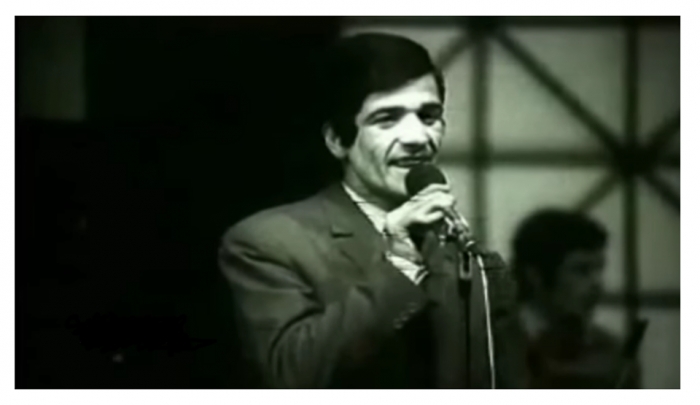
98th death anniversary of Albanian patriot Bajram Curri commemorated




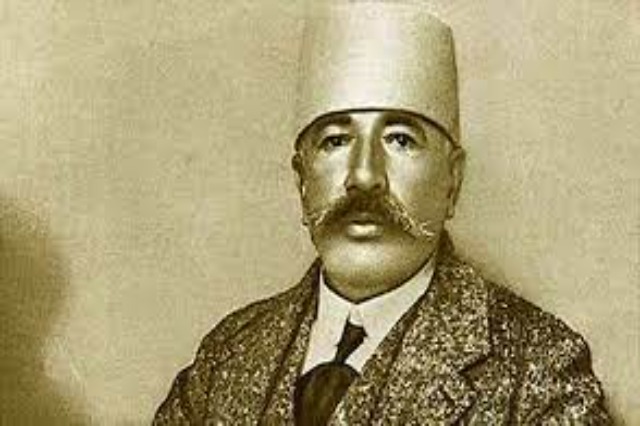
Bajram Curri was born in 1862 in Krushë te Madhe, a village between Gjakova and Prizren. He was one of the organizers of the Albanian League of Peja from 1899-1900. Bajram Curri was a popular leader, military, and senator of the Senate of the House of the National Council of Albania from March 27, 1920 to December 20, 1920.
Leader of the anti-imperialist movement in Kosovo and one of the main leaders of the Ferizaj Meeting of July 1908, where he supported the request for the establishment of the constitution.
He helped in the establishment of Albanian clubs and schools in Kosovo, defended the alphabet of the Albanian language established in the Congress of Manastir. Vice-president of the club “Bashkimi” of Skopje from 1908. He helped the armed uprising of the Mbishkodra Highlands in 1911, made a strong resistance to the Ottoman armies in the Morina Pass.
In May 1912 he joined the decisions of the Junik meeting, took part in the general armed uprising, stood out as one of the talented popular commanders who broke the Ottoman armies at the Prush Pass in July 1912, and in the field of Kosovo. Together with Hasan Pristina, Isa Boletini, Idriz Seferi and Riza bey Gjakova at the head of the insurgent forces entered Skopje.
After 1912 he worked in Kosovo for the defense of the independent Albanian state. Bajram Curri did not agree with the unjust decisions of the London Conference of 1913 that left Kosovo and other Albanian territories outside the borders of the Albanian state and fought for their union with the homeland. In 1913, he was one of the leaders of the popular armed uprising in Kosovo against the Serb-Montenegrin. In 1914, he participated in the fight against the anti-national and separatist actions of the Revolt of Central Albania in Durrës.
At the Congress of Lushnja in 1920, he was elected a member of the National Council, which appointed him minister without portfolio of the government and commander-in-chief of the armed forces.
He led military actions to suppress the sadist movement. He was against the strengthening of Ahmet Zogut’s position in the Albanian state, he opposed him from the very beginning. With the help of the government of Tirana, he cooperates for the pacification of the situation in the Mirdita Revolt. In December 1921, he was appointed Commander-in-Chief of the armed forces in the several-day government of Hasan Pristina.
After the seizure of power by Ahmet Zogu, he settled in Krasniqe from where he continued the war in the northern highlands against the depopulation measures undertaken by the Serbo-Montenegrins. He participated in the March Movement of 1922 against Ahmet Zogu, under the name “Holy Connection”.
He was among the main leaders of the revolutionary democratic forces that defeated the Zogist guilds and paved the way for the victory of the June Movement of 1924. In the fall of 1924 he went to Geneva to present to the League of Nations the issue of the rights of the savagely oppressed Albanian population of Kosovo from the Serbs. He continued the fight against internal reaction and Serbian chauvinists even after the suppression of the June Movement.On March 29, 1925, Bajram Curri, one of the activists of the Movement, was killed in a cave in the Dragobia Gorge.
/k.s/
Të ngjashme
Latest News
Most read






 RTI
RTI