
 English
 Français
  Deutsch
 Italiano
 Turkish
 Greek
Greek Serbian
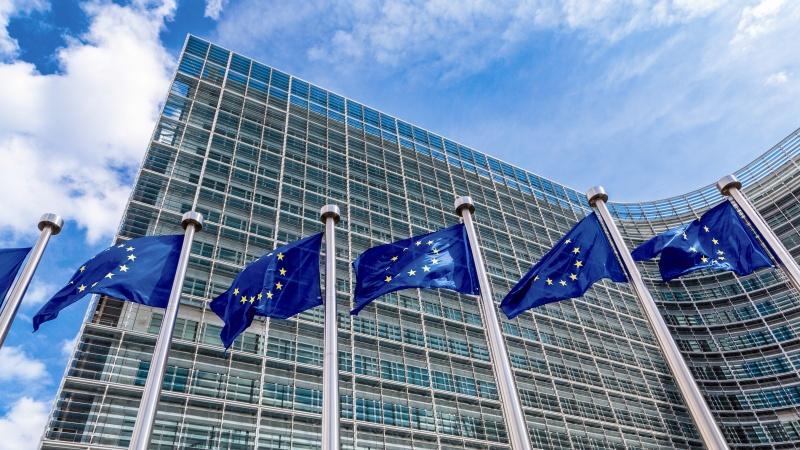
What’s Ahead for the Western Balkans in EU Relations This Year




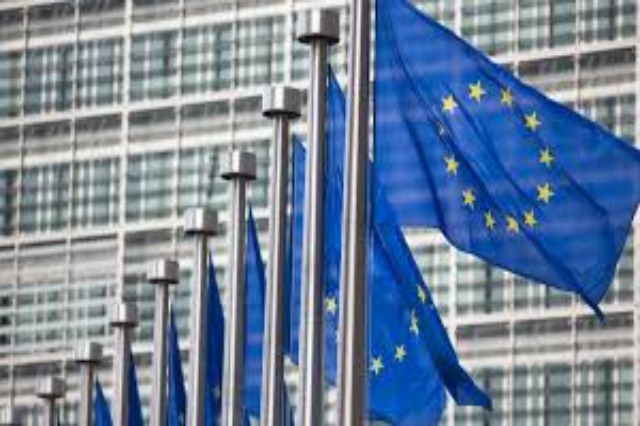
The EU-mediated dialogue for normalizing relations between Kosovo and Serbia, ongoing since 2011, remains a cornerstone for regional stability.
High-level talks are expected to resume after Kosovo’s parliamentary elections on February 9.
Following the elections, Kaja Kallas, the new EU High Representative for Foreign Affairs, is set to embark on her inaugural tour of the Western Balkans. Whether she can achieve significant progress remains uncertain, as Kosovo’s Prime Minister, Albin Kurti, and Serbia’s President, Aleksandar Vucic, have so far shown limited commitment to advancing the dialogue. To support her efforts, Kallas is likely to appoint Peter Sorensen, a seasoned Danish diplomat and former EU Special Representative for Bosnia and Herzegovina, as the mediator for these talks. Sorensen would assume a role similar to that of Miroslav Lajcak, the Slovak diplomat who served as the EU’s Special Representative over the past five years under Josep Borrell.
In the broader Western Balkan context, Albania continues to make strides toward EU membership, opening seven new negotiation chapters in the latter half of 2024.
North Macedonia and Bosnia and Herzegovina face ongoing challenges on their EU paths due to insufficient reforms. Meanwhile, Montenegro, having opened all negotiation chapters, is steadily advancing and aims to become the EU’s 28th member by the decade’s end. To date, it has completed negotiations on approximately 20% of the chapters, with strong backing from Brussels for its accession.
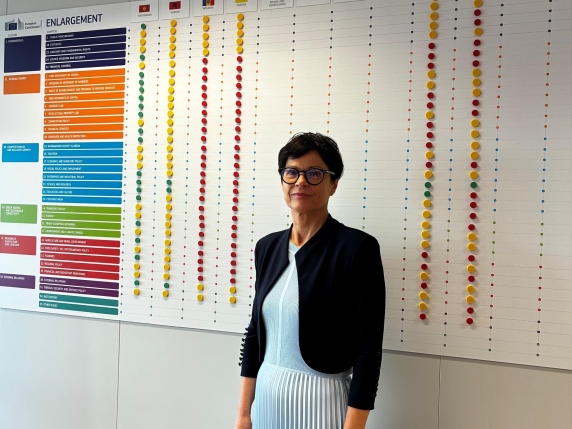
Marta Kos, the new EU Commissioner for Enlargement, is expected to make Podgorica her first stop on a regional visit early this year, underscoring Montenegro’s pivotal role in the EU’s enlargement strategy.
/k.s/
Të ngjashme

Latest News


Most read





 RTI
RTI