
 English
 Français
  Deutsch
 Italiano
 Turkish
 Greek
Greek Serbian
The European Commission proposes the lifting of the veto on Enlargement




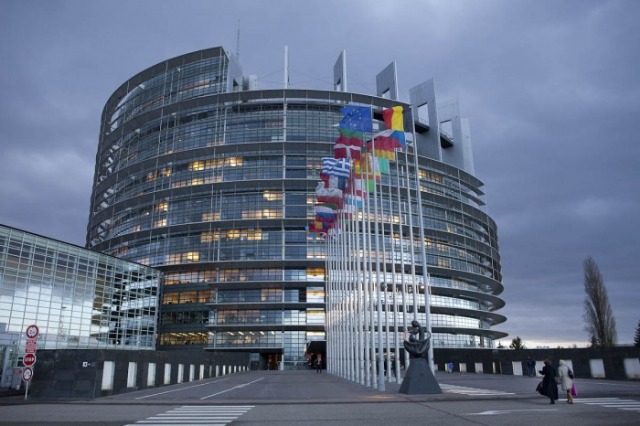
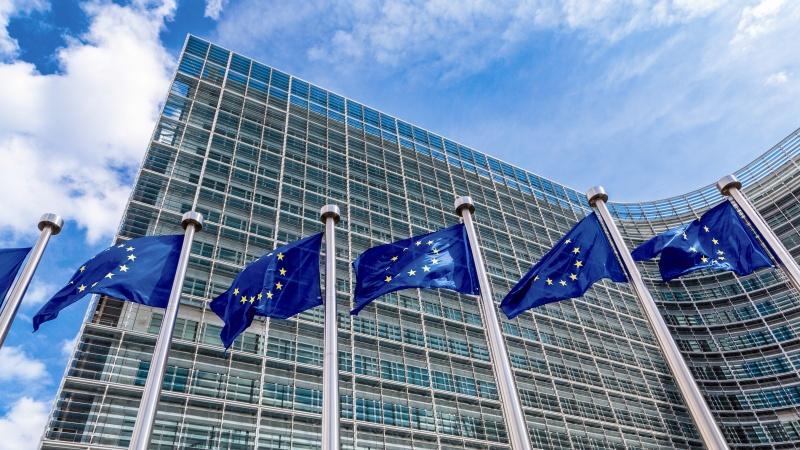
The European Commission (EC) approved on Wednesday a document on reforms within the European Union (EU) before the expansion of the 27-member bloc.
The document is related to the process of pre-enlargement reforms and policy review for countries aspiring to join the Union.
This document, published on the official website of the European Commission, contributes to the ongoing process of discussion about the internal reforms that the EU will have to make in order to prepare for an enlarged Union.
It looks at the implications of a bigger EU in four key areas – values, policies, budget and governance – laying the groundwork for the pre-enlargement policy reviews announced by President von der Leyen in her State of the Union address 2023.
According to the document, the member countries agreed that the EU should be reformed, so that it is ready for the next enlargement, including in the political, legal and financial aspects.
This plan, published after the meeting of the College of Commissioners, includes also proposals for the gradual integration of future member countries, before they formally becoming the bloc member countries.
The approved document should contribute to the process of internal reforms of the EU, so that it is ready in time for the acceptance of new members. This, according to the EU, should go in parallel with the preparation of the candidate countries to become members.
The European Commission’s document also analyzes the implications that the bloc’s future enlargement may have in its main political areas, from the EU’s common foreign policy, common values, climate change, the decision-making process, the common market, up to the EU budget.
“The EU must deepen before expanding. We must start preparing for the Union of the future and use enlargement as catalysts for progress. All of Europe has benefited from the enlargement. With it, the EU has become the largest integrated market in the world. This has opened trade and financial channels which have ensured economic growth both in the EU and in the countries in the enlargement process. This has also strengthened the global weight of the EU,” is stated in this document.
The European Union today has 27 member states, while the internal reform plan aims to prepare it for more than 30 member states in the future.
Exactly 20 years ago, on May 1, 2004, the EU was simultaneously enlarged with 10 new member states, in the largest wave of enlargement in history.
A year and a half later, Bulgaria and Romania were also admitted to the EU, while on July 1, 2013, Croatia was also admitted, while, in the meantime, the United Kingdom has left the EU.
At this moment, there are 10 countries in the expansion process. They are six countries from the Western Balkans region – Bosnia and Herzegovina, Montenegro, North Macedonia, Albania, Serbia and Kosova, then Turkey, Ukraine, Moldova and Georgia.
Nine of them also have the status of candidate countries, while Kosova remains the only country that has applied for membership in the EU and does not have such a status.
The EC requests in its document that countries aiming for EU membership, before achieving that goal, should resolve the bilateral issues they have with their neighbors, because the EU does not want to import such unresolved problems.
The approach based on individual merits and good neighborly relations will remain key conditions in the enlargement process.
“They must put in place special arrangements and undisputed obligations to ensure that future member countries are not in a position to block the membership of other countries,” this document states.
The EC also requires that the future member countries adapt their positions in foreign policy to the positions of the EU. This, according to the European Commission, will best prove that these countries are strongly committed to accepting and promoting the common values on which the EU is built. This also applies to the support of restrictive measures against third countries.
“While some candidate countries and potential candidates are dutifully maintaining full alignment now, the results of some others need to be improved as a priority, especially when it comes to Russia and Belarus. Adapting to the common foreign and security policy is a substantive signal of commitment to common values and strategic orientation in the geopolitical context,” the European Commission document states.
So far, Serbia and Turkey are the only countries from the enlargement process that have not supported EU sanctions against Russia, despite repeated calls from the bloc to do so.
The European Commission mentions in several cases of the benefits from the future enlargement in the document, for which it acknowledges that there will be consequences too and it will be a challenge for the EU in terms of finance and politics.
The Commission finds that the impact of enlargement on the financial burden of the EU should be addressed when it is clearer in which time frame enlargement can take place. However, it warns that in the multi-year financial future framework, the acceptance of new members should also be taken into account.
The EU adapts its annual financial budget to the seven-year financial framework. The current one is set for the period from 2021 to 2027, while from next year, when the new European Commission is created, discussions will begin on the framework after 2027.
Although there are no formal deadlines, the year 2030 is increasingly being mentioned as the deadline by which the EU should be ready to accept new members.
The European Commission, in its reform plan on the eve of enlargement, also opens a topic about which there are many divisions among the member countries. It proposes that in the process of approving decisions in the Council, it should go from consensus decisions to the adoption of qualified majority decisions.
According to the European Commission, this would be in some cases possible even without the need to change the basic EU treaties. According to the officials of the European Commission, on the one hand, this would speed up the enlargement process, but it also ensures the protection of the vital interests of the member countries.
Against the removal of the right of veto in the foreign and enlargement policy, there are especially the smaller member countries, which fear that they may be outvoted and in this way, they will not be able to protect some specific national interests.
But, on the other hand, examples of the blocking of the integration process of candidates from only one EU member state have increased the demands that, at least in some cases, the right to veto be removed.
After the approval in the European Commission for the internal reforms of the EU before the enlargement, the matter will also be discussed in the Council by the member countries.
/a.p./
Të ngjashme

Latest News








Most read








 RTI
RTI