
 English
 Français
  Deutsch
 Italiano
 Turkish
 Greek
Greek Serbian
The situation in the north/ Visa liberalization for Kosovo is removed from the EU agenda




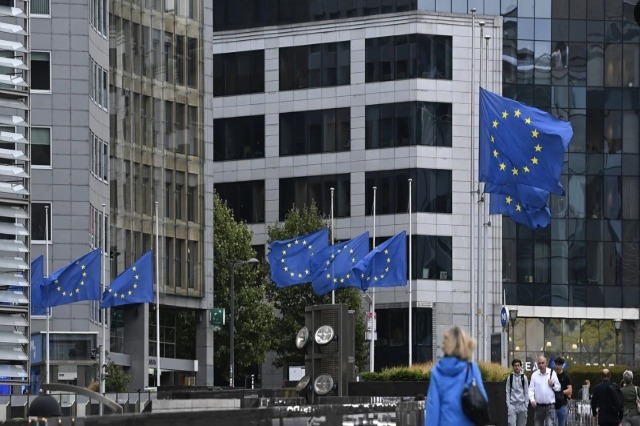
The proposal for the liberalization of visas for Kosovo, which envisages free movement no later than January 1, 2024, was removed from the agenda of today’s meeting of the ambassadors of the EU member states. The reasons for this are political and related to the situation in the north of Kosovo.
“Due to the political developments in the north of Kosovo, having this item on the agenda of Coreper [the body of ambassadors] is not ideal,” the Czech EU presidency said in the announcement of the postponement. According to it, the discussion on this issue will be held on November 30.
The situation in the north of Kosovo has become tense, due to the decision of the Government led by Prime Minister Albin Kurti to start the process of re-registration of cars that carry illegal Serbian license plates. Serbs in the north, largely controlled by official Belgrade, object to Kosovo license plates, RKS, and have warned of resistance to them. Despite the calls of the international community to postpone the re-registration process, Kurti has not given up. The second phase of his plan is currently suspended – until November 24 – in an attempt to give a chance to find a mutually acceptable solution.
What happened on November 22 in Brussels?
On Tuesday, November 22, visa advisers at the Council of the EU agreed with the proposal that visa liberalization for Kosovo enter into force on January 1, 2024. This date was requested by Spain – one of the five EU countries – which does not yet recognize Kosovo’s independence – as the Czech EU presidency had initially proposed the date of December 1, 2023.
According to the new approved proposal, “the entry into force of visa liberalization for citizens of Kosovo will start when the ETIAS travel system is operational, but no later than January 1, 2024”. The approval of this proposal was expected to appear on the agenda at today’s meeting of the ambassadors of the EU member states, to be continued in other instances. Visa liberalization will enable Kosovo citizens to travel freely in what is known as the Schengen area, which consists of 26 European countries. Currently, Kosovo is the only country in the Western Balkans whose citizens cannot move freely in this area. This, despite the fact that the European Commission, as early as 2018, has confirmed several times that Kosovo has met all the conditions for visa liberalization, but there have been several member countries that have constantly expressed reservations.
Where does the connection to the ETIAS system originate?
In a meeting of the visa working group of the EU Council, held on October 13, French officials proposed that visa liberalization for Kosovo be linked to the operationalization of the so-called ETIAS system. This digital system aims to record visitors who enter from outside the EU in the free movement zone, Schengen. ETIAS was supposed to start operating in 2022, but the date has been postponed several times and now the deadline is November 2023./REL/
/k.s/












 RTI
RTI