
 English
 Français
 Deutsch
 Italiano
 Turkish
 Greek
 Serbian
Ethnographic Museum of Kruja – House of True Tradition




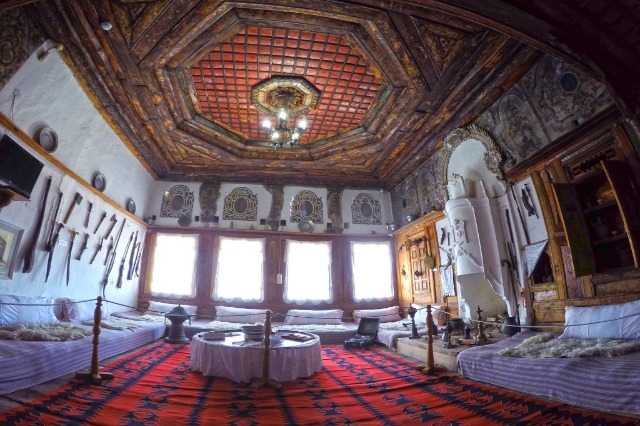
The Ethnographic Museum of Kruja offers a unique tour of the ways of life and customs of Albanian households through centuries. Its structure is unique in its kind throughout the Balkans, inspired by Albanian and Ottoman architectural styles. The construction of the house dates officially back to 1764, while it was adapted as a museum in 1989.
The three floors of the house-museum exhibit various aspects of the lifestyle of a wealthy Albanian family during the Ottoman rule. Visitors can learn about the traditional but efficient systems built to self-supply the house, as well as about the organization based on the social and gender status of family environments.
The Ethnographic Museum of Kruja is erected in the Toptan family house, which is a “chardak” type building from 1764. The house is a cultural monument of the first category. In its interior spaces, as well as the objects displayed in the exterior areas, a complete view is provided of the crafts practiced in Kruja and throughout Albania, as well as the way of life starting from 300 years ago. About 90 percent of the objects in this museum are original, and 100 percent are functional. Here, you can find objects made of ceramics, wood, stone, iron, cotton, wool, leather, and various other materials exhibited with finesse. The age of these objects varies from 60-70 years to 500 years old. The National Ethnographic Museum of Kruja was inaugurated on November 20, 1989.

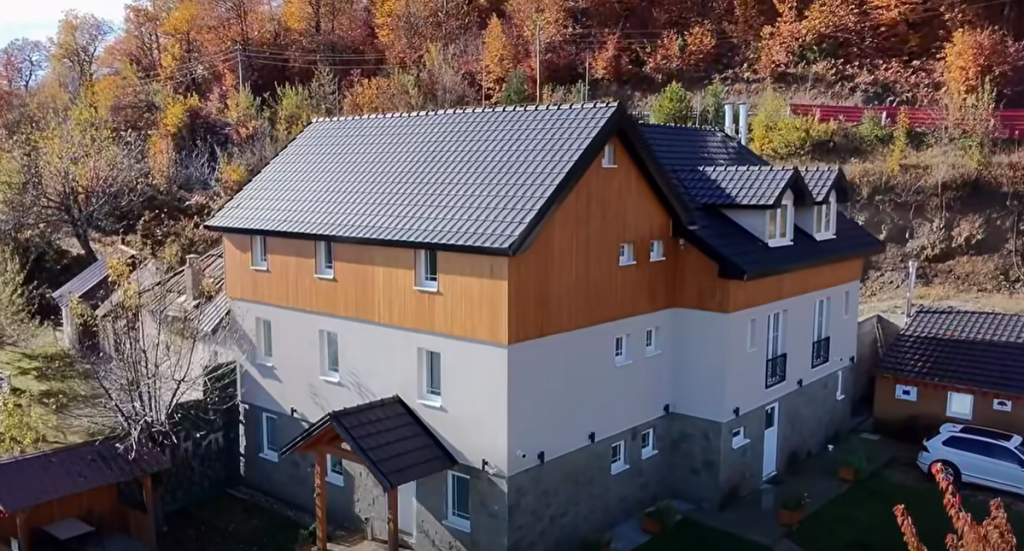
The museum is a three-story white building with a tower placed in the middle, open on both sides with large and small skillfully carved windows and external stairs in the style of old houses; this building is a 300-year-old work of art radiating warmth. The museum is located in the fortified courtyard of the Kruja Castle, and around the museum, traces of water sources or springs are distinguishable, which testify that the name of the city Kruja comes from this natural wealth.
The rare exhibition starts in its courtyard with traditional objects centuries-old such as the baking oven, the beekeeping stone, the chicken coop, and many others. On the first floor, traditional tools used for working the land are displayed, such as plows, mills, wheat cleaning tools, and many others. In this environment, one of the oldest looms associated with leather processing is preserved, as well as straw-filled sacks used as mattresses to provide a comfortable sitting or sleeping surface.

Another tradition is the cultivation and processing of olives, for which Kruja has a history since the time of Skanderbeg. Here, you can touch this atmosphere: wooden washtubs used for crushing and pressing olives and the large ceramic containers where the oil was stored. The second floor showcases the women’s room, including the straw bedding, as well as the room of the girls who continued the tradition of hospitality and humble service to the household’s masters.
A completely different atmosphere is found in the men’s room, decorated with swords and guns, where women would peer through small windows to see what was missing on the table and could only enter to serve. Exiting this museum into the courtyard of the Castle reveals the views of the new city of Kruja, built not long ago during communism, emphasizing the contrast between the lives of its residents over the centuries.

/k.s/
Të ngjashme
Latest News










Most read










 RTI