
 English
 Français
 Deutsch
 Italiano
 Turkish
 Greek
 Serbian
U.S. State Department Report: Albania Strengthens AML/CFT Measures Amid Challenges




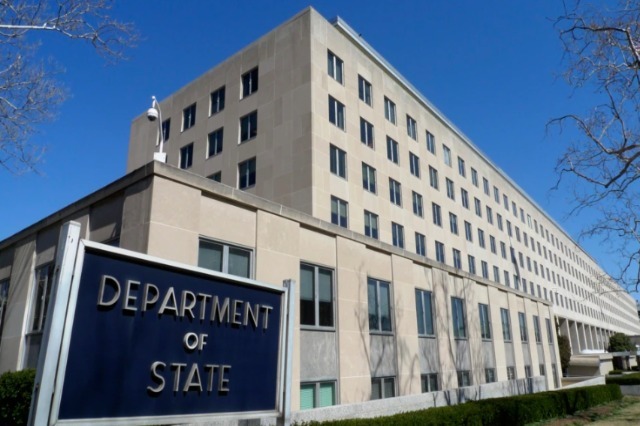
The Albanian government has made progress in enhancing its anti-money laundering (AML) and combating the financing of terrorism (CFT) framework, improving beneficial ownership tracking while facing ongoing issues in the casino and real estate sectors. Steps have been taken to assess risks, enhance institutional coordination, formalize the economy, and improve property registration, yet vulnerabilities persist due to corruption, organized crime, regulatory gaps, and limited interagency communication.
Albania’s cash-based economy, along with remittances and foreign investments, sometimes obscures the origins of funds. Narcotics trafficking and organized crime remain major sources of illicit money. Despite judicial reforms and asset seizures linked to drug trafficking and corruption, enforcement efforts are hindered by capacity constraints, outdated resources, and weak institutional coordination. However, increased joint investigations between SPAK and international partners have strengthened cross-border collaboration.
Criminals exploit real estate, construction, virtual assets, and business ventures to launder money. Concerns persist over online gaming legislation and the risk of organized crime infiltration. The abandonment of a proposed voluntary tax compliance (VTC) program in 2023 followed international scrutiny, but a revised version may resurface.
Albania enforces customer due diligence (CDD) and suspicious transaction reporting (STR) requirements, yet gaps in implementation remain. SPAK has asset seizure authority, though evidentiary challenges delay final actions. Public officials must disclose assets, and financial entities report customer transactions in real time. Albania cooperates internationally but lacks a bilateral mutual legal assistance treaty with the U.S. The country is a MONEYVAL member, overseeing AML/CFT compliance.
Judicial vetting reforms have led to the dismissal or resignation of nearly 59% of reviewed judges and prosecutors since 2016. However, CDD and STR enforcement is inconsistent, and supervision of financial entities and government tenders needs strengthening. Courts often hesitate to convict for money laundering without a predicate offense, limiting the law’s effectiveness.
In 2023, SPAK took action against high-profile officials, launching a corruption investigation into former Prime Minister Sali Berisha, whose son-in-law was arrested for money laundering. Former Environment Minister Lefter Koka was convicted of money laundering and corruption, with $4 million in assets seized. To combat financial crimes effectively, Albania must increase investigations, improve interagency cooperation, and fully implement its legal reforms.
/a.p./
Të ngjashme

Latest News

Most read










 RTI