
 English
 Français
 Deutsch
 Italiano
 Turkish
 Greek
 Serbian
Declaration of Overnight Stays/ Rama: Hotels Must Pay 65% of Capacity to Avoid Inspections




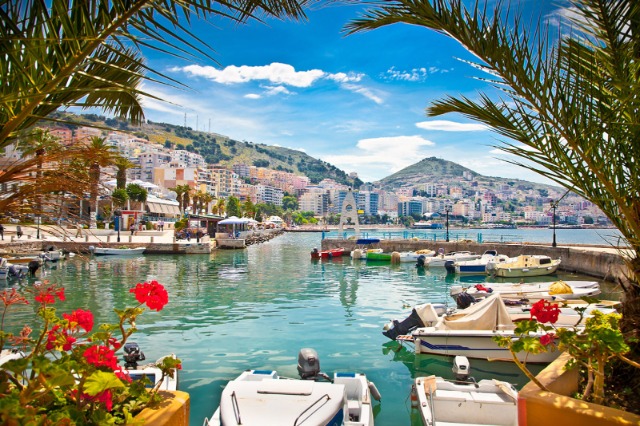
Prime Minister Edi Rama announced a new VAT collection scheme for the hotel sector today, addressing discrepancies between tourist numbers and reported overnight stays.
Speaking in Saranda at a meeting with young entrepreneurs returning from emigration, Rama explained that after consulting with both local and international experts, the government is proposing that hotels prepay 65% of their accommodation capacity during the peak season (May-September) and only 30% during the winter months. This scheme aims to support businesses while allowing them to retain and pay their employees.
“We want to look each other in the eye with a smile of understanding. You must admit that you’re misrepresenting the bed declarations. This prevents us from doing more for cities, as it doesn’t allow municipalities to collect the proper revenue from bed occupancy,” Rama stated.
The Prime Minister added that it’s unrealistic to claim there are empty beds in places like Ksamil or Saranda in July, yet the declarations suggest businesses are struggling.
Rama also highlighted that the government has reduced VAT for the hotel sector specifically to provide support.
“We have the lowest VAT in the Mediterranean and the region, even lower than Montenegro, Croatia, or Greece. Yet, you act like you don’t understand,” he said.
The Prime Minister revealed that following consultations with international experts, a new option will be introduced for hotel owners. They will be able to pre-declare their capacity for the peak season and avoid inspections if they prepay 65% of their capacity.
“This is very low compared to reality, but we want to start uniformly. If you pay, you won’t face inspections during this period, and the 30% prepayment for the winter months will help balance things out and ensure you can retain staff,” he added.
Rama assured that businesses accepting this agreement will not face any inspections. He emphasized that the proposal has been well received after consultations with operators and reviewing various practices, aiming for a gradual shift toward formalization without disrupting businesses.
“If you choose not to accept this option, you will face stricter inspections and more severe penalties,” he warned.
The Prime Minister concluded by stressing that the collected bed occupancy tax will be reinvested back into municipalities for essential services. He also mentioned a new policy regarding beach usage, addressing issues from last year with the encroachment of private entities, ensuring that both businesses and citizens have access to public beaches.
/k.s/
Të ngjashme


Latest News









Most read










 RTI