
 English
 Français
 Deutsch
 Italiano
 Turkish
 Greek
 Serbian
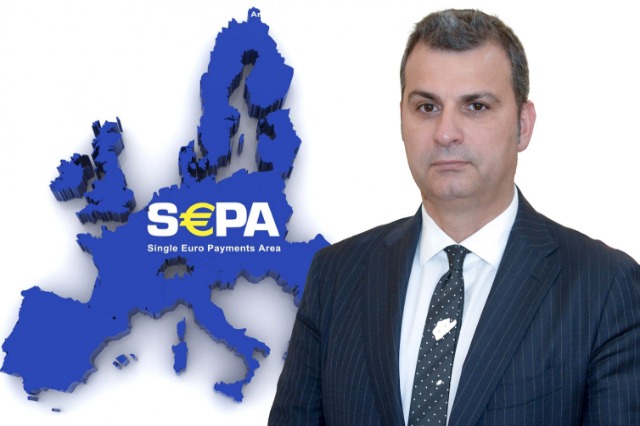
SEPA Membership: Sejko Announces Banks to Begin Applications in April, Saving €20 Million Annually




Bank of Albania and the American Chamber of Commerce hosted a business forum today titled “The Future is Now: How Innovation is Reshaping Albanian Financial Services in 2025”.
Governor of the Bank of Albania, Gent Sejko, highlighted significant global changes in the payment ecosystem over the past two decades. He noted that new technologies have revolutionized low-value payment products and services, expanding the ecosystem with new players integral to the payments value chain.
Sejko also pointed to Albania’s progress in online payments, saying, “Thanks to mobile technology, the internet, and innovative products, consumers can now manage their finances, transfer money, and pay bills electronically“. He added that the use of electronic payment methods continues to rise at double-digit rates, helping reduce cash usage and formalize the economy.
He revealed that digital payments per capita have increased from just 2 in 2015 to 23 in 2024. Meanwhile, financial inclusion has risen to 78%, up from 40% in 2015.
Sejko also discussed the growing use of “open banking” and electronic wallets, which are helping reach populations with limited access to traditional banking services. He highlighted the success of AIPS Euro, which has reduced queues at bank counters for euro payments, saving citizens around €100 million and cutting fees for small payments.
Looking ahead, Sejko focused on two key developments: Albania’s upcoming SEPA membership and “Open Banking.” He explained that SEPA will reduce cross-border euro commission fees, attract more foreign investment, and strengthen trade with the EU. SEPA transactions will save businesses and citizens about €20 million annually in the first year.
Sejko shared that Albanian financial institutions will begin applying for SEPA membership in April 2025, and citizens and businesses will be able to make SEPA transactions starting in October.
Finally, Sejko praised the progress of open banking in Albania, noting it will reduce service costs, speed up electronic payments, and improve the user experience.
Neritan Mullaj, Director of the American Chamber of Commerce, also discussed how open banking is transforming Albania’s financial sector, enabling clients to authorize third parties to transfer funds for payments and services.
/a.p./
Të ngjashme


Latest News









Most read










 RTI