
 English
 Français
 Deutsch
 Italiano
 Turkish
 Greek
 Serbian
Boboshtica tourist village




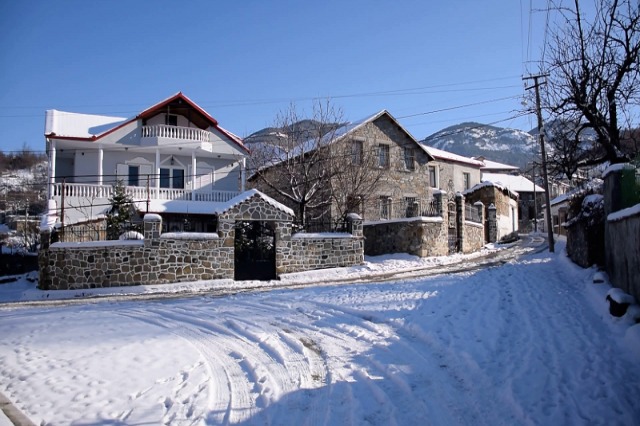
Boboshtica, the village located about 7 km from the city of Korça. The village is thought to have been inhabited since the Middle Ages. The beautiful field of Boboshtica in the time of the Romans served as a camping ground for their armies. The village was created after the Slavic invasions. The archives also contain the documents of 135 Boboshtar families who bought their properties from the Sultan for 2,600 lira, as well as their neighbors in Drenova.
The village once boasted prominent educational traditions. Viktor Eftimiu, Armenian writer and dramatist of great proportions, was born in Boboshtica in January 1889. Well-known artists, writers, scientists and outstanding intellectuals of various fields have stimulated the curiosity of many foreign visitors and researchers from distant Europe, such as the Frenchman, Andrea Mazoni, who visited it in August 1936, even writing two books, “Documents Contest et Chanson Slaves De L’Albania Du Sud.
Boboshtica is an important tourist destination, with a hilly-mountainous position. It is distinguished for its wonderful nature with clean air and waters, diverse vegetation with shrubs, centuries-old fruit trees, oaks and conifers, as well as many medicinal plants. The rich terrain gives you the possibility of a variety of recreational and sports activities such as sports walking, running, cycling, mountaineering, skiing, skydiving, etc.
Small stone houses with special architecture, churches, bridges, taps, cobbled streets, squares offer excellent opportunities for cultural and historical tourism.
The churches of Boboshtica are a heritage in themselves, which mostly attract the citizens of Korca. Saint John os one of the many churches located there, dating back to the 11th century. There are also two monasteries, that of Saint Mary at the head of the village and that of Saint Kolli in the southeastern part, at the foot of Morava, which was built at the time of Skanderbeg (1450). One of the oldest icons in the Korca district was found in this monastery.
Pagan rites preserved until recently in the village of Boboshtica, such as Rosica, Dordolecët and March 1st, are found both in the Bulgarian and Albanian cultural traditions. These testify to a rich cultural communication between Bulgarians and Albanians. The two peoples coexist in the Balkans since the Middle Ages. At that time the contacts between them were very active, especially in the southern Albanian lands.
The Boboshtica inhabitants are known for growing mulberry trees, the raki produced from them is never missing in their homes. Treating guests in mulberry raki is one of the traditions that show hospitality in the village.
Boboshtica has been designated as an important tourist destination, with a wonderful nature with clean air and waters, and with a rich terrain that gives the possibility of a variety of recreational and sports activities such as sports walking, running, cycling, etc. Known for numerous cult objects, Boboshtica is a reference point for cult and family tourism. Tourists can visit cultural monuments such as the museum, 1000-year-old churches, Saint Mary’s Monastery, etc.
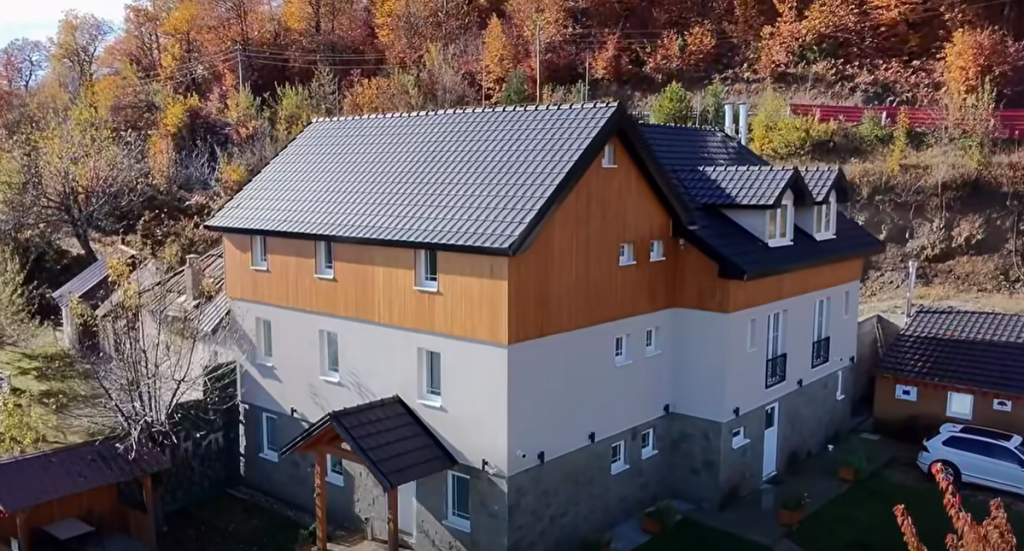
The wonderful nature, the celebrations and the traditional production of mulberry raki enable a rich offer of agro-tourism interest. The traditional cuisine offered in a network of consolidated restaurants for years, gives impetus to family tourism. As a village with huge potential, to further increase tourism, the locals have recently invested in the hotel industry. Traditional cuisine with organic village products is what tourists always find in Boboshtica. Having everything in harmony, natural beauty, originality, hospitality and traditional cuisine, Boboshtica welcomes many visitors throughout the year.

/k.s/
Të ngjashme
Latest News










Most read










 RTI