
 English
 Français
  Deutsch
 Italiano
 Turkish
 Greek
Greek Serbian
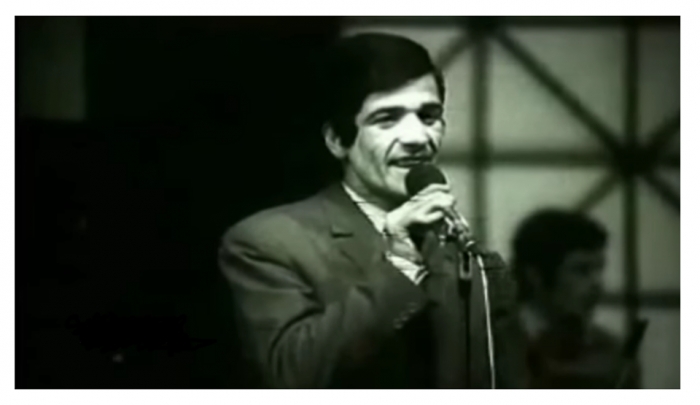
Mustafa Krantja: Founder of Albanian Conducting and Pillar of National Operatic Tradition




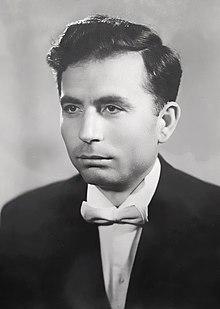
On April 10, 1921, Mustafa Krantja was born—the first conductor of the Albanian Philharmonic and later of the National Theatre of Opera and Ballet. He laid the foundational principles of operatic conducting in Albania, serving as the principal conductor of numerous concerts, operas, and ballets staged by the newly established National Theatre of Opera and Ballet.
Over the course of several decades, Krantja directed a substantial number of premieres by both Albanian and international composers, across a wide range of musical genres—from song and symphonic works to opera and ballet. Among the most notable productions he conducted were Rusalka (the first opera staged in Albania), Ivan Susanin, The Bartered Bride, and La Traviata.
His contributions extended beyond the opera house to include leadership of the RTSH Symphony Orchestra, the State Conservatory Orchestra of Tirana, and his role as a pedagogue of conducting at the Higher Institute of Arts.
Krantja was also a prolific composer, authoring numerous vocal and symphonic works, and a tireless publicist whose writings include a considerable body of articles on musical art, as well as television programs and interviews that enriched Albania’s cultural discourse.
In recognition of his artistic achievements, he was the recipient of numerous prestigious honors and decorations, including the First and Second Class Order of Labour, the First Class “Naim Frashëri” Order, the titles “Merited Artist” and “People’s Artist,” the Honorary Medal of the Baku Opera, the “Honorary Lifetime Member” medal from the International Centre for Culture, Art and Literature based in Brindisi, Italy, the “Antonín Dvořák” Medal from the Minister of Culture of the Czech Republic, and the high national title “Honor of the Nation.”
/a.c/
Të ngjashme
Latest News
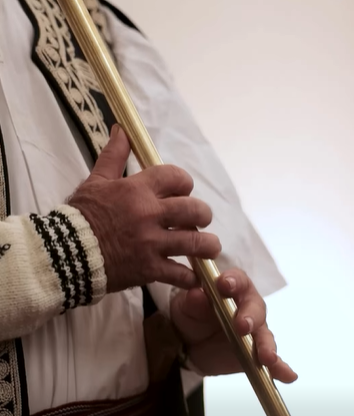
Parliament honors Vendim Kapaj: Albanian traditional sounds featured in Nolan’s “The Odyssey”
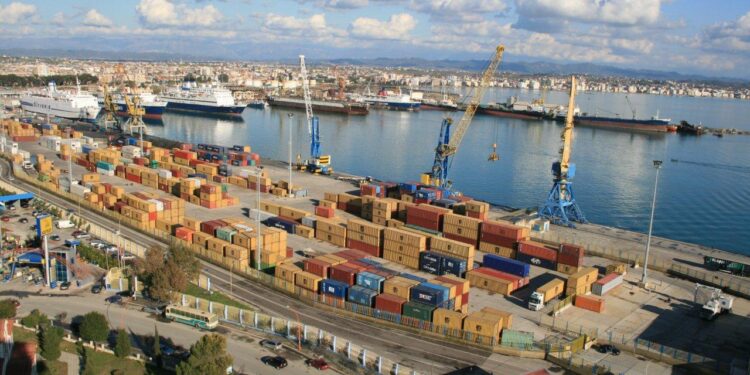
Vau of Deja emerges as a new tourist destination in northern Albania

Most read







 RTI
RTI