
 English
 Français
  Deutsch
 Italiano
 Turkish
 Greek
Greek Serbian
Edward Lear: The Artist Who Captured 19th-Century Albania




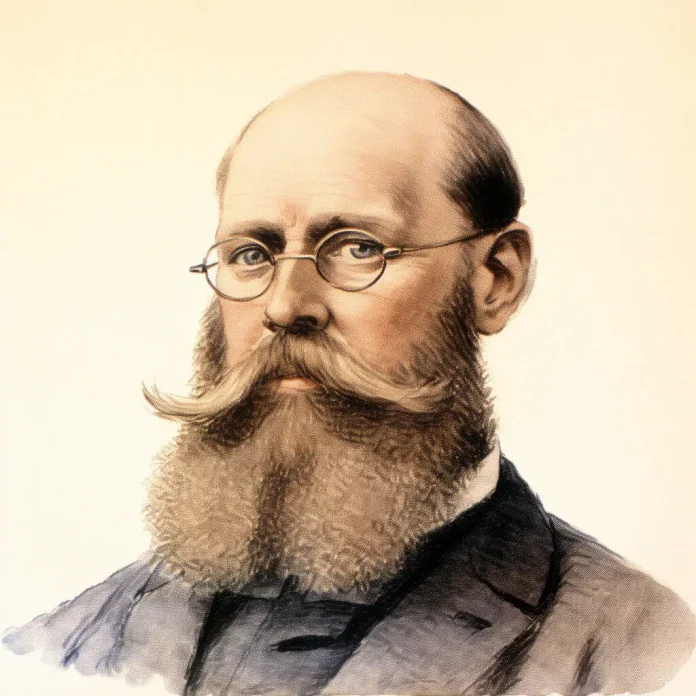
On May 12, 1812, Edward Lear was born in Highgate, England. He was a poet, illustrator, writer, and painter. He drew everything he saw during his travels in the Mediterranean, especially in Albania and Greece. He included these works in his travel books.
Many of his landscapes and sketches provide a detailed record of mid-19th century Albania.
In 1848, Lear began a journey through Greece to Istanbul. The British ambassador in Istanbul helped him get travel documents. This allowed him to continue through parts of the Ottoman Empire. He traveled through Thessaloniki and Bitola, then to Ohrid, Struga, Elbasan, Tirana, Kruja, Lezha, and Shkodra. He continued south to Kavaja, Berat, Ardenica, Apollonia, Vlorë, the Himara coast, Tepelena, Gjirokastra, and finally Janina.
After returning to England, he published Journals of a Landscape Painter in Albania (1851). His talent for landscapes, vivid travel writing, and wide correspondence made him one of the most beloved travelers of the 19th century.
However, his book Nonsense made him famous as a limerick poet. This genre features humorous, nonsensical verses, often with illustrations. The limerick, named after an English town, is a traditional English poetic form.
/a.c/
Të ngjashme
Latest News
Albania Customs Administration publishes new manual to standardize customs valuation practices
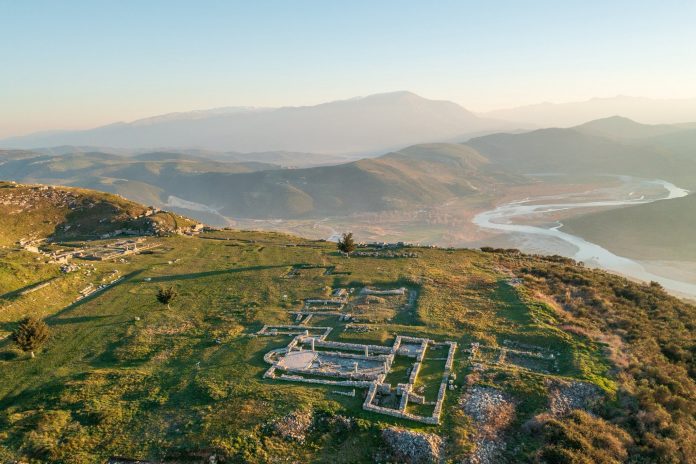
Vau of Deja emerges as a new tourist destination in northern Albania



Most read







 RTI
RTI