
 English
 Français
 Deutsch
 Italiano
 Turkish
 Greek
 Serbian
Central Bank Governor Sejko: Reforms and Industrial Policies Drive Growth and EU Integration




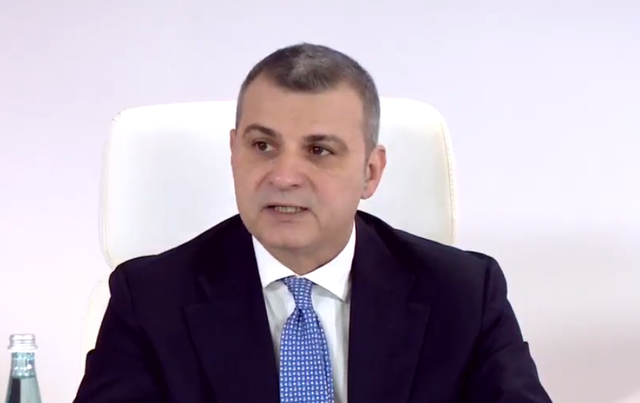
Governor of the Bank of Albania, Gent Sejko, said Albania has made strong progress in building institutions and improving the business climate. These efforts have supported stable economic growth over the past five years.
During the launch of the EBRD’s 2024 Transition Report, Sejko highlighted key indicators: unemployment has dropped to 11.3%, and private consumption has grown by 7%. He credited structural reforms for this progress.
The report focuses on a growing global challenge, reshaping industrial policy. Sejko said these policies should no longer serve only existing industries. They should help build diversified, innovative economies and support a sustainable future.
He pointed out that for Albania and other countries, relying on traditional industrial exports has become harder. Instead, digital and innovative services now offer greater potential. These include IT, design, logistics, and data analysis.
To grow these sectors, Albania must invest in education, skilled workers, and modern digital infrastructure, Sejko said.
He also called for aligning industrial policy with the EU integration process. As a small and open economy, Albania can benefit from greater convergence with the EU. Joining SEPA and reducing international transaction costs form part of this effort.
Sejko said Albania’s policies must also support sectors that create jobs and promote social cohesion. He stressed the need for inclusive policies that help reduce inequality.
He urged the government to direct state aid to high-potential companies that drive innovation and job creation. Tools such as credit guarantees, low-interest loans, and venture capital can boost new and dynamic businesses.
While the Bank of Albania does not draft industrial policy, Sejko said it plays a key role in securing macroeconomic and financial stability, both essential for sustainable growth.
He outlined the country’s strong economic performance: GDP grew by 4% in 2024, inflation stayed at 2%, private lending rose by 16.7%, and non-performing loans fell to 4%. He said these results reflect a healthy financial system that supports the real economy.
To keep moving forward, Sejko said Albania must continue investing in people and institutions, not just in the economy. He called for smart and inclusive industrial policies that match the country’s long-term goals. Innovation, education, and opportunity, he said, will shape Albania’s future within the EU.
/a.p./
Të ngjashme

Latest News









Most read










 RTI