
 English
 Français
 Deutsch
 Italiano
 Turkish
 Greek
 Serbian
Norwegian media, “Moss Avis”: Albania, one of the most attractive destinations to travel




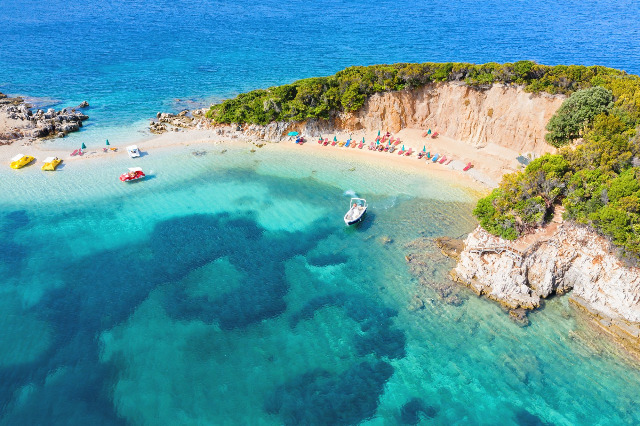
Albania has become one of the most sought-after travel destinations in our portfolio since the pandemic. In the previous years, Albania was already gaining significant popularity,” says David Karlsson, the General Manager of Tema-Reiser.
He mentions that a lot of travelers opt for Albania based on recommendations from friends and family.
However, we often find that many people are pleasantly surprised because it exceeds their expectations,” he adds.

He describes Albania as a welcoming, budget-friendly destination with stunning natural landscapes and excellent hiking opportunities.
“I believe that many people have held onto an outdated perception of Albania, shaped by brief glimpses on TV from the 1980s when the country was one of the most isolated Eastern Bloc nations in Europe. They might remember a gray and somber image, but they are often taken aback by the vibrant, warm country that greets them,” says Karlsson.
Prominent tour operators in Norway, including Apollo, Tui, and Ving, now offer a range of options for trips to Albania. They have noted a significant surge in interest, both for package tours and flexible holidays where travelers can arrange flights and accommodations independently.
Albania not only boasts lower prices compared to its neighboring Greece but also offers a wealth of unique experiences

Completely new food experiences await visitors
According to Karlsson, one of the most surprising aspects is the culinary scene in Albania. Albanian cuisine is often described as a delightful blend of Mediterranean flavors and Balkan home cooking.

Before declaring independence in 1912, and during its isolation as a communist state, Albania experienced occupation by various empires, including the Roman Empire and the Ottoman Empire. This diverse history has left a significant mark on Albanian cuisine, which incorporates elements from Italian, Turkish, Ottoman, and Greek culinary traditions. Common ingredients in Albanian dishes include olive oil, vinegar, vegetables, spices, meat, seafood, and cheese. Typically, side dishes consist of rice, bread, or potatoes.
Albania’s national dish, Tavë Kosi, is a lamb dish slow-cooked in a clay pot and typically served with rice, vegetables, and yogurt sauce.

Albania’s remarkable natural beauty
The country is often promoted for its stunning beaches along the Adriatic and Ionian Seas. Coastal cities like Saranda and Durrës have gained popularity as travel destinations. However, it’s worth noting that approximately 70 percent of Albania is composed of mountainous terrain, some of which remains rugged and remote, offering excellent hiking opportunities.
Inger Karin Natlandsmyr, author of the travel blog Turbok, possesses a general curiosity for less-traveled countries, particularly those that have been closed off from the rest of the world for extended periods.

In 2015, she booked plane tickets to the capital, Tirana, and joined a guided tour in the mountains. Albania was still a relatively unexplored destination for Norwegian tourists at that time.
“We walked along picturesque trails through breathtaking high mountains, crossed fields brimming with wild mushrooms, and ventured through vast oak forests that led us to fertile valley bottoms. There, we could indulge in sweet yellow plums and juicy cherries, harvested beside historic houses that had been relocated,” Natlandsmyr recalls.

She highly recommends using a guide to enhance the experience.
“Throughout the journey, we gained valuable insights into contemporary life in Albania and the country’s history during the communist era,” she emphasizes.

Driving and traffic
Natlandsmyr was pleasantly surprised by the low traffic volume on Albanian roads, particularly outside the urban areas.
“We used public minibuses for our journey from the capital to Valbona. It was a fantastic experience that allowed us to immerse ourselves in the daily lives of the local people,” she explains.

Along the sparsely traveled roads, cows with bells around their necks strolled freely. Pigs, chickens, goats, and sheep wandered through the villages without restraint.
“Our guide explained that owning a car wasn’t a common practice in the past, and as a result, getting a driver’s license wasn’t widespread either until the 1990s,” she recounts.
Language and security
The Ministry of Foreign Affairs notes that Albania is generally considered a safe destination with low crime rates. Public security is generally strong, particularly in the capital, Tirana.
English is becoming increasingly spoken, and the people in Albania are generally known for their warm, welcoming, and hospitable nature. The concept of ‘Besa,’ a code of honor, is prevalent, signifying that promises are meant to be kept.
One unique aspect to be aware of is that in Albania, nodding your head means ‘yes,’ and shaking your head implies ‘no.’
Money and price level
Albania, which held onto the communist regime until 1991, was the last European country to transition away from it. According to the UN’s country pages, both then and now, Albania is one of the poorest nations in Europe. The World Bank currently classifies Albania as a middle-income country.
The low price level in Albania is a significant low for tourists. According to Forex’s holiday index, which compares holiday costs to those in Norway, Albania is the second-cheapest European country, right after North Macedonia. In this index, where Norway has a rating of 100, Albania scores 34. So, something that costs 100 Swedish kroner in Norway would, on average, only be 34 kroner in Albania.
“It’s important to note that dealing with currency in Albania can pose some challenges. For instance, the country’s currency, the Albanian lek (ALL), cannot be exchanged outside of Albania.
“We advise people to exchange or withdraw money from the ATM at the airport upon arrival,” recommends Karlsson at Tema-Reiser.
Bringing euros is recommended, as they can be easily exchanged locally. Visa and MasterCard are generally accepted in larger hotels, restaurants, and shops in urban areas.
“However, it’s worth noting that once you leave the cities, it can be a significant amount of time before you come across an ATM. For instance, participants on our hikes in Albania and North Macedonia have to wait up to four days after leaving Tirana before they have the opportunity to withdraw money from a bank,” advises Karlsson.

Religion

During the communist era, religion was suppressed and eventually banned in Albania. In contemporary Albania, a significant 87.5 percent of the population reports believing in God, a figure that ranks among the highest in Europe, as reported by Store norske lexikon.
Approximately 70 percent of the population in Albania are Muslims, while just under a quarter are Christians. However, a relatively small percentage of Albanians place significant emphasis on religious practices and rituals, with fewer than 2 percent attending mosque or church services daily. The country is known for its unique tolerance within faith, where, for instance, Muslims may consume pork, alcohol, and are not required to cover their heads.
During communist regime, numerous churches, mosques, and other religious structures were either demolished or repurposed for other uses. Some, however, were transformed into museums, thus preserving them for future generations. Many of these converted sites hold cultural and historical significance and are highly recommended for a visit.

The legacy of communism
Albania still bears numerous visible reminders of its decades of isolation, particularly during the rule of dictator Enver Hoxha, who held power from 1946 until his death in 1985. During his regime, approximately 750,000 bunkers were constructed throughout the country. The population was given instructions to seek shelter in these bunkers and defend the nation in the event of an attack.
These bunkers still persist today, concealed in the ground with their distinctive ‘pillbox’ structures visible above the surface. Some of them have been repurposed into shelters, cafes, homes for homeless animals, or warehouses.
Weather and holiday season
Similar to many countries in the Mediterranean region, Albania experiences cold winters with precipitation, especially in inland and high-altitude areas, and hot, dry summers.
The Ministry of Foreign Affairs advises travelers to acquaint themselves with local conditions prior to their trip. The tourist season typically spans from May to October. During the summer months, especially, the country can experience very high temperatures, raising the risk of forest fires, particularly in mountainous regions.
/m.ll/
Të ngjashme




Latest News










Most read










 RTI