
 English
 Français
 Deutsch
 Italiano
 Turkish
 Greek
 Serbian
Bank of Albania: Reaching EU Membership by 2027 Demands Strong Effort




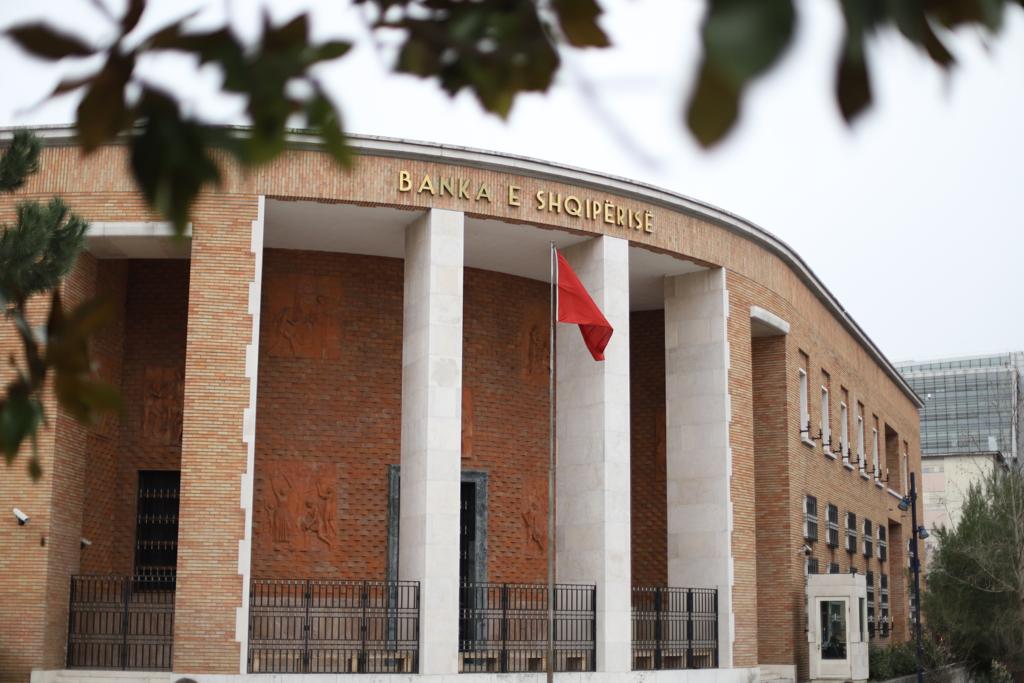
Albania is entering the final phase of its EU accession path. Although political declarations attract attention, real progress depends on the technical work of key institutions. Among them, the Bank of Albania plays a crucial role in aligning the financial and institutional framework with EU standards.
As the country’s central monetary authority, the Bank takes part in nine negotiation chapters. In two of them, it leads the process. Therefore, its role remains central to the broader integration efforts.
Still, the 2027 target for closing negotiations remains ambitious. Speaking to A2 CNN, Deputy Governor Natasha Ahmetaj acknowledged the pressure. “The 2027 goal demands intense work,” she said. “This effort must happen alongside our daily responsibilities. However, it is absolutely achievable”.
Even so, the path ahead carries conditions. Albania must first meet a series of technical and legal benchmarks. For instance, it must guarantee the smooth movement of both real and financial economic flows. To do this, it needs to fully implement Moneyval recommendations. These aim to prevent money laundering and ensure that financial transactions meet European standards.
Moreover, Ahmetaj underlined that EU membership would bring significant gains. Citizens and businesses alike would benefit from access to a much larger market. “Economic theory supports this clearly. Being part of a competitive market helps growth, if your standards allow you to take part,” she said.
One concrete step is already underway. Albania has joined the Single Euro Payments Area (SEPA). As a result, euro transfers will soon become easier and cheaper. “All banks have submitted their SEPA applications, and all have been approved,” Ahmetaj noted. “We now await the final deadline. On October 5, SEPA transactions will become operational”.
Beyond this, the Bank of Albania continues its long-term mission. It focuses on preparing the monetary, financial, and legal systems to meet EU expectations. While this work rarely makes headlines, it forms the backbone of integration. Without it, a stable financial system after accession would not be possible.
In the final stages of negotiations, this technical groundwork becomes even more important. It ensures that the country does not just join the EU, but does so with a system that functions effectively.
In conclusion, the road ahead remains challenging. Yet, with focus, coordination, and full commitment, Albania can meet the 2027 goal. If successful, the country will move one step closer to full EU membership by 2030.
/a.p./
Të ngjashme



Latest News









Most read










 RTI