
 English
 Français
 Deutsch
 Italiano
 Turkish
 Greek
 Serbian
Governor Sejko: SEPA Membership Marks a Milestone for Albania’s Financial Integration




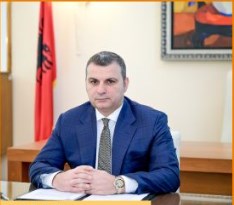
Governor of the Bank of Albania, Gent Sejko, spoke with the European Payments Council (EPC) about Albania’s progress toward joining SEPA—the Single Euro Payments Area. He emphasized that this step brings clear benefits to citizens, businesses, and the wider economy.
“In November 2024, Albania joined SEPA,” Sejko said. “By May 2025, all Albanian banks completed their registration. Consequently, on October 7, 2025, they will become fully operational.”
Sejko called SEPA membership a key achievement. He underlined its importance for financial integration and national development. Although Albania is not yet an EU member, this move aligns it closely with European standards.
Moreover, Sejko outlined the practical advantages. “SEPA brings direct savings. It lowers remittance costs. It also encourages banking innovation and modernization,” he explained.
According to Sejko, the impact is already measurable. “In the first year, SEPA will cut costs by at least 20 million euros,” he noted. “Furthermore, 80% of remittances will cost up to five times less.”
In addition, SEPA introduces key technological standards. “The adoption of ISO 20022 and the launch of regional instant payments will accelerate digitalization and increase financial inclusion,” Sejko added.
Therefore, he described this development as a concrete step toward EU integration. He stressed that SEPA strengthens Albania’s financial infrastructure and enhances long-term stability.
“SEPA is a European benchmark,” he stated. “It ensures efficient and secure payment systems. As a result, it helps small countries like Albania build trust and credibility.”
He also highlighted the technological dimension. “Standardized cross-border payments and advanced digital systems will support a modern payment market. This, in turn, aligns Albania with EU rules and expands digital tools.”
Sejko outlined several additional benefits. “First, SEPA promotes trade. The EU is Albania’s main trading partner. More than half of our exports go to the EU.”
“Second, SEPA formalizes remittance flows. Therefore, families will save more, and their well-being will improve.”
“Third, SEPA supports European tourists. They will benefit from the same speed, cost, and security as at home.”
Sejko then confirmed Albania’s long-term goal. “We aim to fully align with EU standards by 2030,” he said.
Moreover, he shared the next milestone. “We will build an instant payment system. This will support fast, cross-border transactions within the region.”
“Joining the TARGET Instant Payment Settlement (TIPS) system is part of that plan,” he added. “This will bring us even closer to European payment networks.”
As digital payments grow, cash use will gradually decline. Consequently, Albania will become more connected to EU markets and digital economies.
Finally, Sejko emphasized the human side. “Financial education matters,” he concluded. “Thus, we will expand financial and digital literacy throughout the country.”
/a.c/
Të ngjashme



Latest News









Most read










 RTI