
 English
 Français
 Deutsch
 Italiano
 Turkish
 Greek
 Serbian
Agriturismolebalzarine.it: Spend late August in Tirana, the city of unexpected emotions




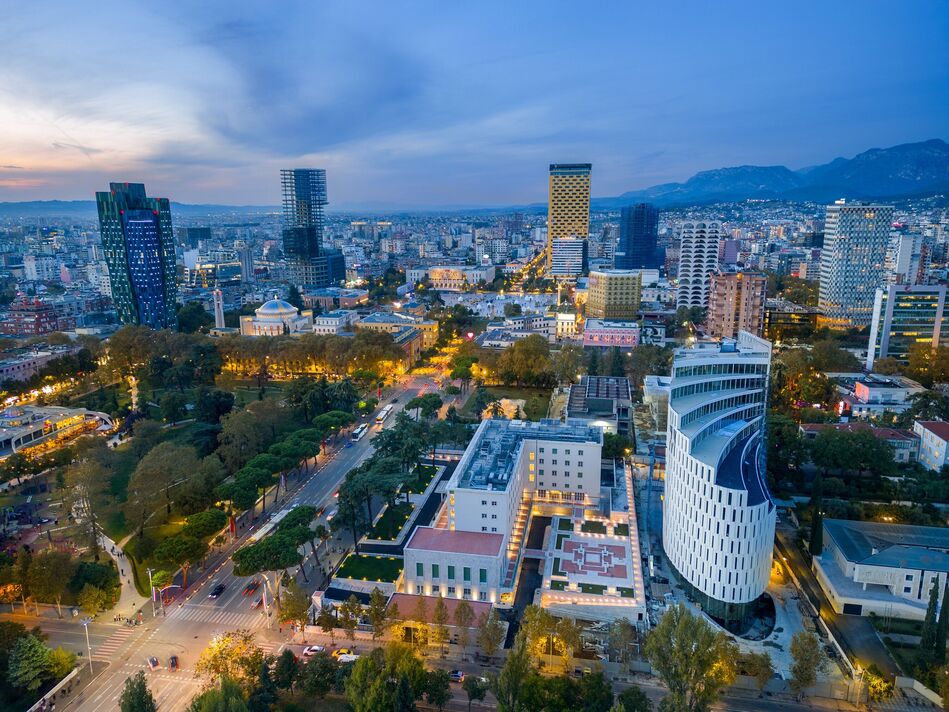
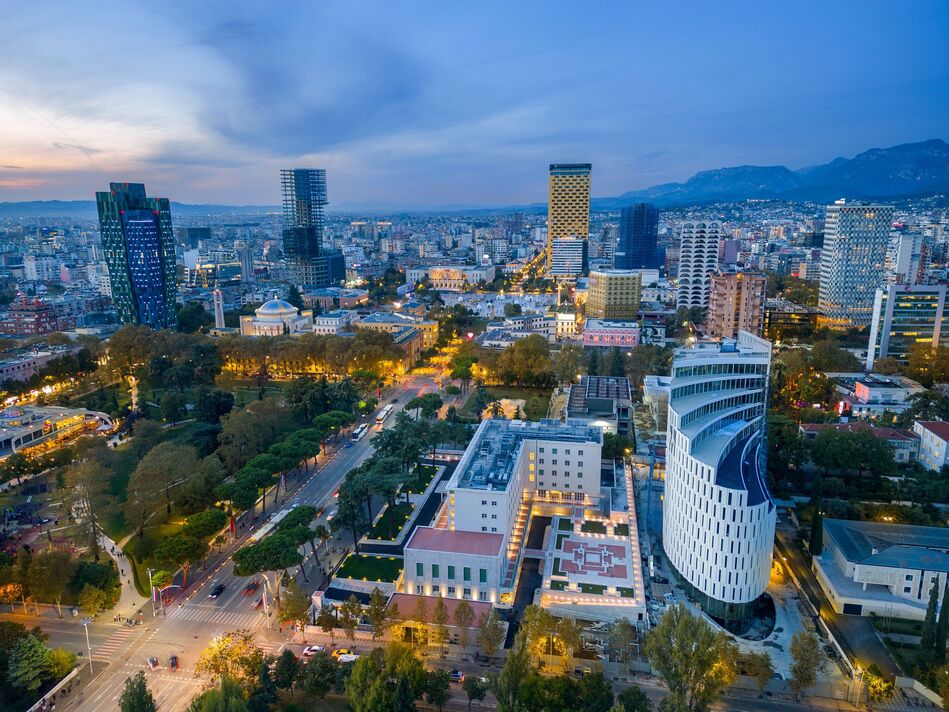
Albania is rapidly placing itself as one of the most surprising destinations in the Balkans, and Tirana represents the beating heart of this transformation, wrote Federico Sala for the Italian tourist site agriturismolebalzarine.it.
For travelers seeking an authentic experience, full of contrasts and away from mass tourism, they will find unexpected emotions in the Albanian capital.
With its vibrant colors, turbulent history, and contagious energy, Tirana is ready to captivate.
Moreover, walking through the city streets, visitors immerse themselves in a kaleidoscope of experiences that reveal Albania’s complex history.
The city looks like an open-air museum where Ottoman architecture blends with Italian architecture from the fascist period, while communist-era buildings coexist with contemporary constructions.
The center revolves around Skanderbeg Square, dedicated to national hero George Kastrioti Skanderbeg. Here, visitors can admire the Et’hem Bey Mosque, an 18th-century Ottoman gem, surrounded by the Clock Tower that dominates the skyline.
One of the most interesting areas is Blloku, once the neighborhood of the communist elite. Today, however, it represents the heart of Tirana’s nightlife and entertainment.
Formerly forbidden to ordinary citizens, Blloku now pulses with life through modern cafés, gourmet restaurants, and boutiques.
In addition, a visit to Bunk’Art is essential to understand contemporary Albania. The museum, located in a communist-era nuclear bunker, offers a moving perspective on the country’s recent past. The experience is both educational and emotionally engaging.
Similarly, the famous Pyramid, once the mausoleum of Enver Hoxha, now serves as a cultural center. This controversial building has become a symbol of Albania’s ability to reinvent itself and look forward.
Furthermore, Albanian cuisine is a discovery of taste, with Ottoman, Italian, and Balkan influences creating unique flavors.
At the New Bazaar market, visitors can try local specialties such as tavë kosi or byrek, spending on average between 5 and 15 euros for a full meal.
Also, restaurants in the historic center offer refined culinary experiences at affordable prices. A full dinner at a high-level venue rarely exceeds 25–30 euros per person, including wine.
Only 30 minutes from the center, the cable car leads to Mount Dajti, offering breathtaking views of Tirana’s valley. A round-trip ticket costs about 8 euros.
For a day trip, Kruja is only one hour away by bus. The medieval town, cradle of Albanian resistance against the Ottoman Empire, welcomes visitors with its castle, traditional bazaar, and unforgettable mountain views.
Tirana remains highly affordable by European standards. A coffee costs about one euro, while a city bus ticket costs no more than half a euro. A good hotel charges 40–60 euros per night for a double room in the city center.
The local currency is the Albanian lek, but euros are widely accepted. The official language is Albanian, though many speak Italian, especially in tourist areas and hotels.
Late August is the ideal time to visit Tirana, with warm but not oppressive temperatures and the city at its liveliest.
Evenings are perfect for strolling along the main boulevard or enjoying an aperitif at a rooftop bar with city views.
Ultimately, Tirana awaits to tell the story of its transformation and resilience, offering a travel experience not to forget.
/a.p./
Të ngjashme
Latest News










Most read










 RTI