
 English
 Français
 Deutsch
 Italiano
 Turkish
 Greek
 Serbian
RAI3: Vjosa, the wild river of Europe, full of values and potential




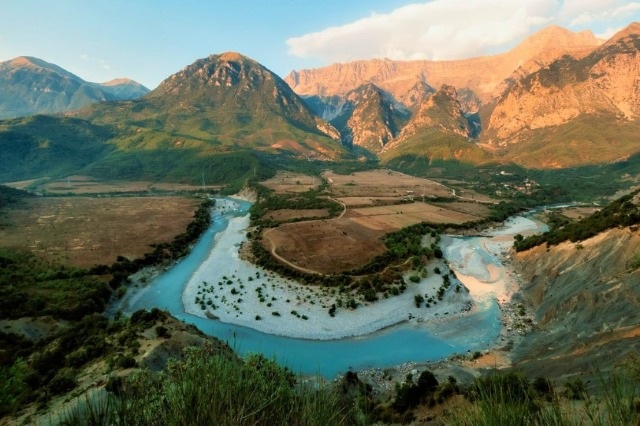
From the mountains of Pindi to the mouth of the Adriatic. The Vjosa River with its tributaries covers 400 kilometers from the North of Greece. From Albania, the shores of Vjosa are inhabited by 1,100 species and herbivorous animals. A green area with a panoramic landscape, according to a documentary on the Italian television Rai3, which promotes the touristic values of the river Vjosa.
“The Vjosa River was declared a national park by the Albanian government, the first example of a wild park in Europe, and it may soon be declared a UNESCO biosphere.
The decision of the government of Tirana to declare it a “Protected Area” came after many years of struggles by citizens and various environmentalist organizations against the construction of hydropower plants and dams, even reaching the appeal of Hollywood actor Leonardo DiCaprio”, says RAI3, who interviews the Minister of Tourism and Environment, Mirela Kumbaro.
“Vjosa River is not a river like all the others. It is an important river not only for Albania, but also for Europe. I would say more. It is the only wild river in Europe. I would say that other European countries with their rivers have done what they wanted, developed them, intervened, while little Albania has provided the model that this natural laboratory of biodiversity can be protected”, says Kumbaro.
“Vjosa is called wild because there are no dams or hydropower plants in it, it flows freely in its path, favoring agriculture and from the point of view of fishing, there are several species that grow in these waters. Last February, this river was also visited by the general director, Odri Azule, accompanied by minister Kumbaro. In the coming months, this river may receive the prestigious Biosphere Award of the UN agency,” continues RAI3.
“The idea is to help the local community. It is something else to change nature. It is different to call a territory a national park. It is something else to offer the people who live here ideas, opportunities, economic assistance and so on. We don’t want people to leave these places, because they will be dead places”, adds Kumbaro.
100,000 inhabitants live on the shores crossed by Vjosa. Farmers work the land, shepherds graze livestock such as goats and sheep. Aleksi was born and lives in Përmet, he works as a tourist guide. He knows Vjosa like the back of his hand,” continues RAI3.
“An Italian friend of mine, seeing these beauties, says that you have a Ferrari, but you don’t know how to drive it. Keeping Vjosa means a lot to our economy. Whoever left these countries knows that he can return to invest in tourism here”, says Aleksi.
“Waterfalls, nature, restaurants overlooking the river attract curious visitors to discover Albania up close and beyond the sea. One of the most popular activities is rafting. In the small village of Peshtan, we also met Mirela, who offers a hostel for tourists. In her garden in the open sky is a museum with World War II relics that she found in the mountains above the village. She also fought for the protection of Vjosa”, continues RAI3.
“Tourism is increasing and will be the future of this area. We are lucky to have Vjosa. Nature has been generous with us”, says Mirela.
/k.s/
Të ngjashme
Latest News









Most read










 RTI