
 English
 Français
 Deutsch
 Italiano
 Turkish
 Greek
 Serbian
Albania prepares the file for the registration of the Vjosa River as a UNESCO Biosphere Reserve




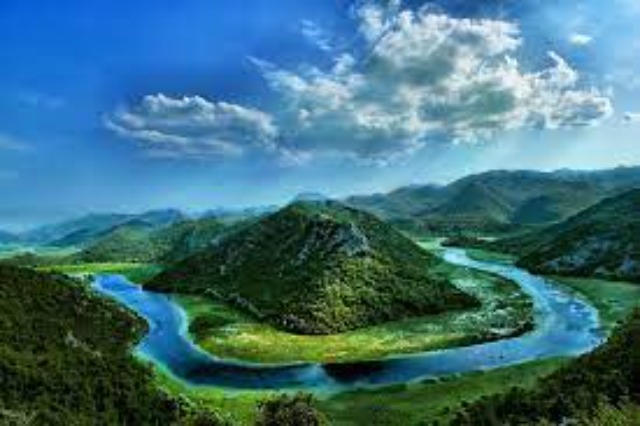
The Albanian government has decided to prepare the candidacy file to register the Vjoses River as a UNESCO Biosphere Reserve in order to protect the biosphere of this extraordinary national treasure. The Vjosa is considered the last wild river in Europe.
The announcement of the registration of the Vjosa River as a biosphere reserve was made by Minister Kumbaro during a visit to Albania last week by UNESCO Director General Audrey Azoulay.
The blue waters of the Vjosa River flow freely and without any obstacles from the source in Greece until they flow into the Adriatic Sea. The Vjosa River Basin is the habitat for nearly 1,100 species of animals and plants, including 13 animal species and 2 plant species threatened around the globe.
Ismail Kadare’s daughter, Besiana Kadare, says she is happy and enthusiastic about this news.
“Relying on the expertise and support that UNESCO and the MAB program will offer us in the protection of the ecosystem of the Vjoses river and the sustainable use of its natural resources, the management of the Vjosa basin can become a success story and best practice all over Europe, and why not, maybe all over the world!”, writes Besiana Kadare on Facebook.
What are UNESCO biosphere reserves?
Within the framework of UNESCO’s International Program “Man and the Biosphere”, Biosphere Reserves promote balanced solutions where the protection of biodiversity is combined with the sustainable use of natural resources. So the Biosphere Reserves are also conceived as experimentation spaces for a sustainable development in different ecological, social and economic contexts, affecting the lives of more than 250 million people in the world.
Their role is important not only for the protection of natural and cultural values and heritage, but also for the development of sustainability and the building of synergy between protection and economic development.
Currently, UNESCO has 738 Biosphere Reserves in 134 countries that belong to the “World Network of Biosphere Reserves”. The new reserves are determined and selected every year by the International Program Coordinating Council (IPCC), a body composed of representatives elected from 34 UNESCO member states.
It is worth noting that in 2014, Albania registered the Ohrid and Prespa Lakes Area as “Transboundary Biosphere Reserves” of UNESCO, together with North Macedonia. This area has a very rich biodiversity, with a unique ecosystem where rare and globally endangered species live.
/a.s/
Të ngjashme
Latest News









Most read










 RTI