
 English
 Français
  Deutsch
 Italiano
 Turkish
 Greek
Greek Serbian
Ernest Koliqi: Prominent Figure in Albanian Culture




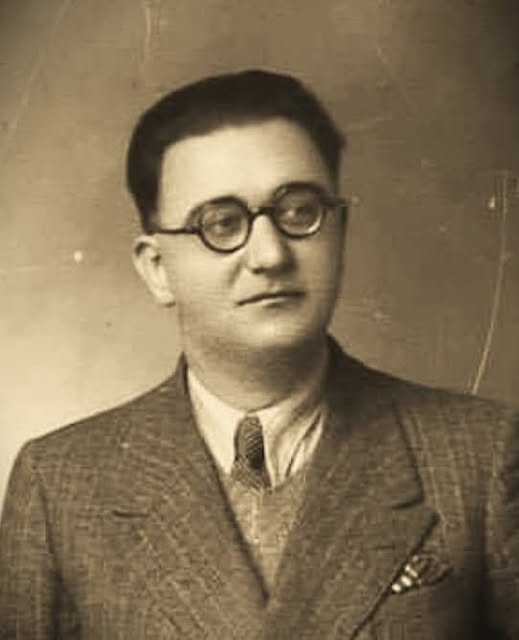
On January 15, 1975, Ernest Koliqi, one of Albania’s most iconic cultural figures, passed away.
Born in Shkodër on May 20, 1903, Koliqi came from the Lotaj family of Shala in Dukagjin. He received his early education in Shkodër. Later, he moved to Italy, where he studied in Brescia and then at the University of Padua.
Koliqi was a poet, writer, playwright, scholar, and translator. Early in his career, he wrote under pseudonyms such as Hilushi, Hilush Vilza, and Borizani. Moreover, he published works including Tregtar flamujsh, Hija e maleve, Pasqyrat e Narcizit, literary studies, and numerous translations, mostly from Italian literature.
During the 1920s and 1930s, he founded major Albanian magazines, such as Illyria, Ora e Maleve, and Shkëndija. In addition, he published Shejzat in Italy. Later, he served as Minister of Education during the Kingdom of Albania in World War II, where he helped establish public libraries throughout the country.
However, many of his works were banned during the communist era because of his liberal political views. Despite this, he became a leading figure in Albanian prose. Alongside Mitrush Kuteli, he is considered a founder of modern Albanian prose.
Furthermore, Koliqi translated works by major Italian authors into Albanian. These included Dante, Petrarch, Ludovico Ariosto, Torquato Tasso, Giuseppe Parini, Vincenzo Monti, Ugo Foscolo, and Alessandro Manzoni. In 1963, he also translated an anthology of Italian poetry.
Ernest Koliqi died in Italy in 1975, leaving a lasting legacy in Albanian literature and culture.
/a.c/
Të ngjashme
Latest News

Most read





 RTI
RTI