
 English
 Français
 Deutsch
 Italiano
 Turkish
 Greek
 Serbian
Artisans pass down traditional embroidery of the North through generations




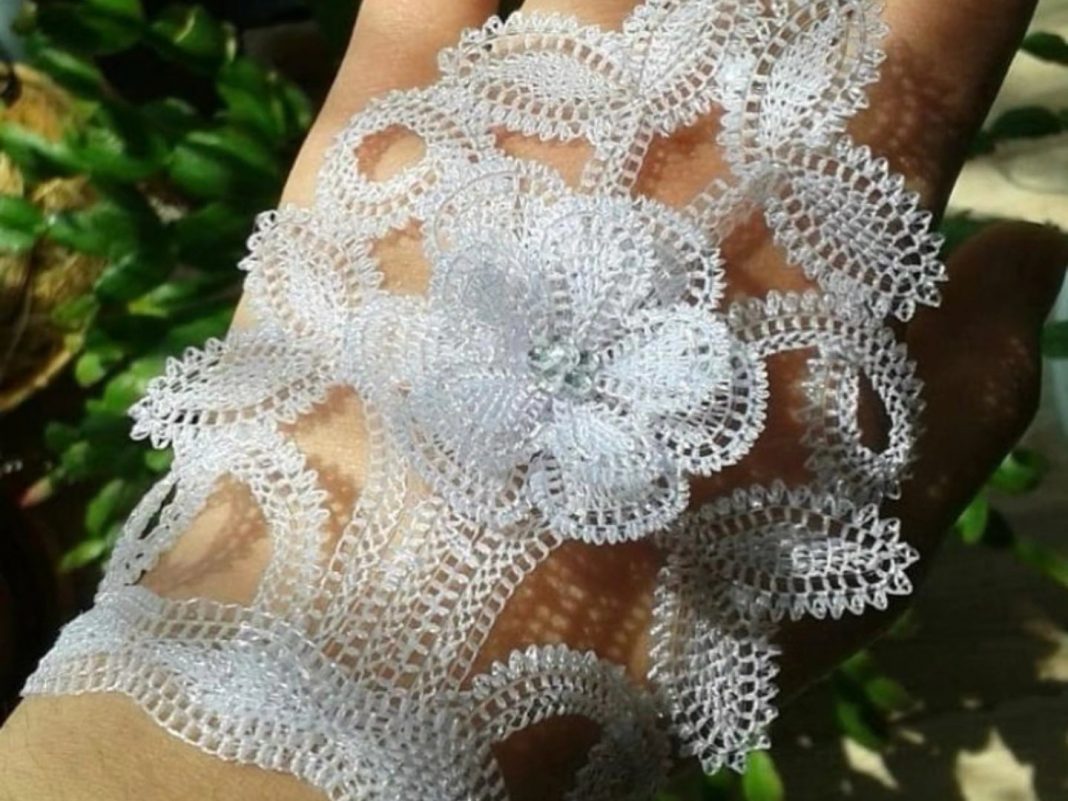
A key element of Albania’s intangible cultural heritage survives today through a small number of women artisans from Shkodra, Tropoja, and Kukës. They preserve and pass on traditional hand embroidery, especially lacework known as oje.
Oje (ojna) uses a needle and thread. It stands out for its fine detail, complex motifs, and strong aesthetic and symbolic value.
This technique is one of the rarest and most distinctive forms of traditional hand embroidery. Historically, embroidery played a central role in local cultural identity. Women traditionally used oje to decorate headscarves. It served both an aesthetic and a symbolic purpose in traditional female dress.
Today, artisans adapt this technique to new handmade products. They respect traditional forms and principles. Their goal is clear. They want to keep this elite craft alive and pass it on to future generations.
/a.c/
Të ngjashme


Latest News




Albania and Azerbaijan Seek Stronger Tourism Ties and New Partnerships


Most read










 RTI