
 English
 Français
 Deutsch
 Italiano
 Turkish
 Greek
 Serbian
Zagoria: A Valley Carved in Stone and Song




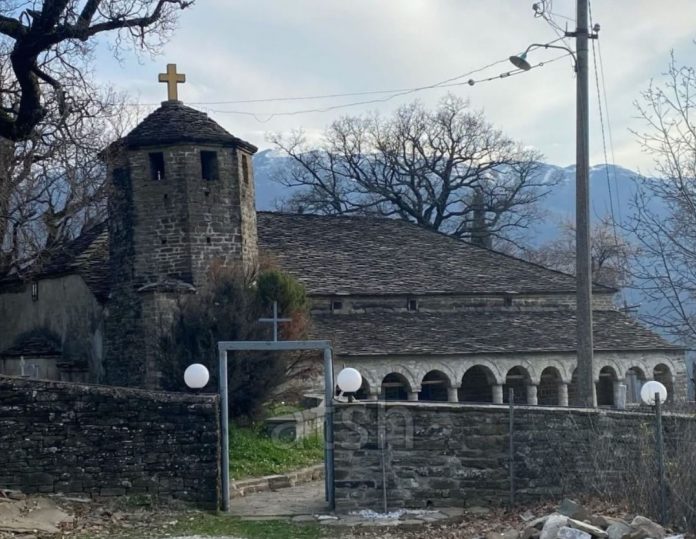
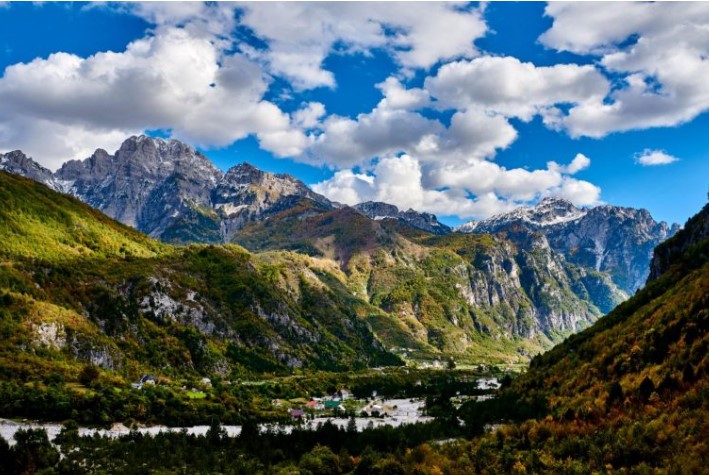
Zagoria rests in a quiet valley between Gjirokastër and Përmet. The area stretches about 15 km long and 4–5 km wide. High mountains surround it, forming steep slopes and alpine meadows. The Zagoria River flows through the valley into the Vjosë. Villages lie between 400–800 meters in elevation: Doshnica, Hoshteva, Vithuqi, Koncka, Nivani, Sheperi, Ndërani, Topova, Lliari, and Zheji.
The climate is mostly mountainous, with heavy rain and cold winds. Some areas, like Zhej and Doshnicë, grow olives. Vërria is the warmest place in Zagoria.
People have lived here since ancient times. Ruins, castles, and traces of past civilizations show continuous settlement. Orthodox faith, customs, and traditions remained strong despite outside pressures. The region once followed a customary self-governance system called “Venom,” regulating property, neighbors, and daily life.
Harsh terrain forced many Zagorians to emigrate. They went to Istanbul, Greece, Egypt, the U.S., and Canada. Most men spent long periods abroad but returned with experience, culture, and education.
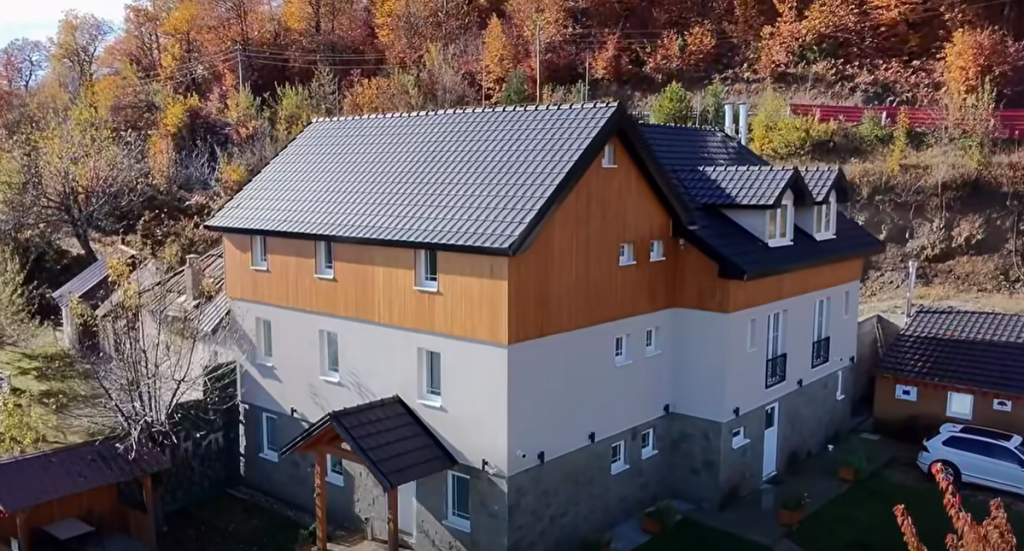
Stone houses and frescoed churches preserve history silently. Alpine pastures, trails, and bridges connect villages. These create a living landscape where nature and culture meet.
Zagoria’s polyphonic singing, or iso-polyphony, thrives here. It blends voices into one sound, requiring discipline and harmony. UNESCO recognizes it as a key part of Albanian cultural heritage.
Today, Zagoria attracts tourists for nature and culture. Visitors hike wild trails, breathe fresh air, and enjoy local cuisine. The region balances human life and nature while keeping its history and traditions alive.
/a.c/
Të ngjashme





Most read










 RTI