
 English
 Français
 Deutsch
 Italiano
 Turkish
 Greek
 Serbian
Tower revival program: 523 documented so far, says Gonxhja




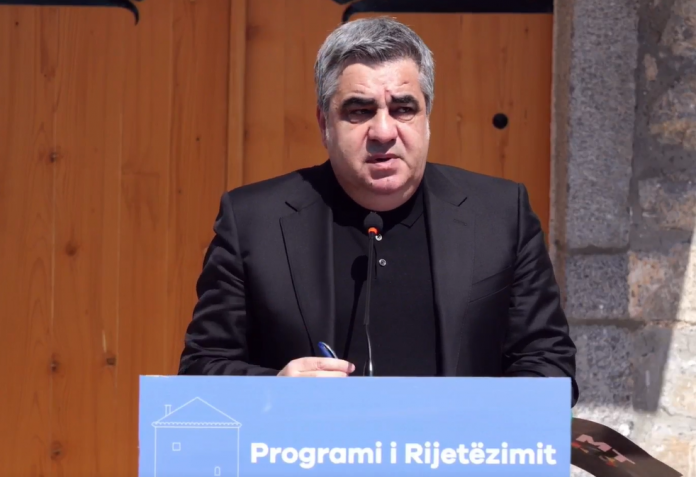
The tower revival program is expanding. It links heritage, tourism, and sustainable development. Now, the State Cadastre Agency and the Faculty of Architecture have joined.
The Ministry of Tourism, Culture and Sport coordinates the effort. Together, the institutions will address ownership issues. They will also develop restoration projects. As a result, they aim to attract investment. They also aim to boost local economies and cultural tourism.
Minister Blendi Gonxhja spoke at an event in Malësia e Madhe. He said the program protects northern Albania’s cultural identity. At the same time, it brings towers back into active use. Therefore, communities can benefit economically and socially.
Gonxhja said the program has entered a consolidated phase. Between 2023 and 2025, authorities ran a pilot project with GIZ Albania. They included 20 towers, guesthouses, and agritourism units. They created structured tourist routes. In addition, they trained local operators in services, hospitality, and promotion.
Based on these results, the ministry launched the national program in November 2025. It also signed a memorandum with GIZ Albania. Since then, teams have focused on data collection and concrete interventions.
Authorities inventoried towers in Lezhë, Shkodër, Dibër, and Kukës. They created digital GIS mapping. They analyzed legal status and ownership. Meanwhile, the Faculty of Architecture prepared restoration concepts. They also drafted recommendations for museums, ethnography, music heritage, and culinary tourism.
So far, teams have documented 523 towers. They recorded architecture, ethnography, and tourism potential. They also built a GIS digital platform. This platform supports planning and decision-making.
Gonxhja said teams held six awareness seminars. More than 300 people participated. In addition, 13 municipalities joined the process. Universities also contributed. Thirty-nine students worked on 28 restoration projects. Moreover, experts from eight fields supported the work.
The program combines tangible and intangible heritage. On one hand, it restores towers as physical structures. On the other hand, it promotes traditions such as lahuta, xhubleta, and oja. These elements strengthen cultural identity.
Teams also use modern technology. They scan towers with laser tools. They create 3D volumetric models. As a result, they build accurate databases for restoration.
Authorities continue legal and ownership analyses. Meanwhile, the Faculty of Architecture prepares concrete restoration plans. The program also proposes new uses. Towers may become guesthouses, museums, or cultural spaces.
The Cadastre Agency helps resolve property issues. It also assists applicants with ownership certificates. Consequently, procedures become faster. In turn, private investment becomes easier.
Integrating towers into tourist routes increases visitor stays. It creates value chains for local economies. It also activates areas outside the tourism map. Furthermore, towers strengthen Albania’s tourism brand. They offer authentic cultural experiences.
The next phase will run from 2027 to 2029. The ministry plans a budget starting at €400,000 for 2027. Funding may increase later. Authorities will then implement restoration, reuse, and integration into the national tourism network.
/a.c/
Të ngjashme
Latest News


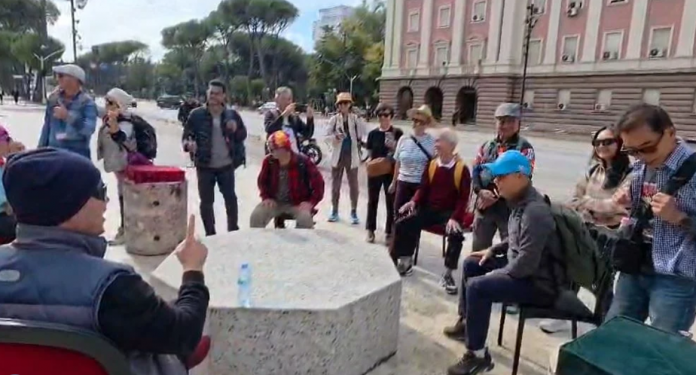
Foreign Tourists Stop at Prime Minister’s Office Amid Protests
Most read










 RTI