
 English
 Français
 Deutsch
 Italiano
 Turkish
 Greek
 Serbian
Albania and UNESCO, cooperation for developments in world heritage sites and protected areas.




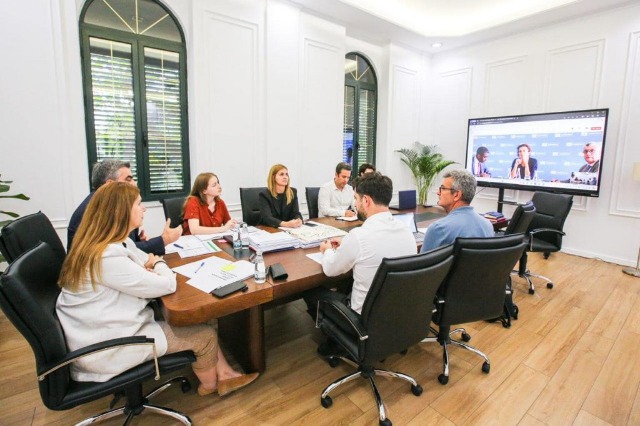
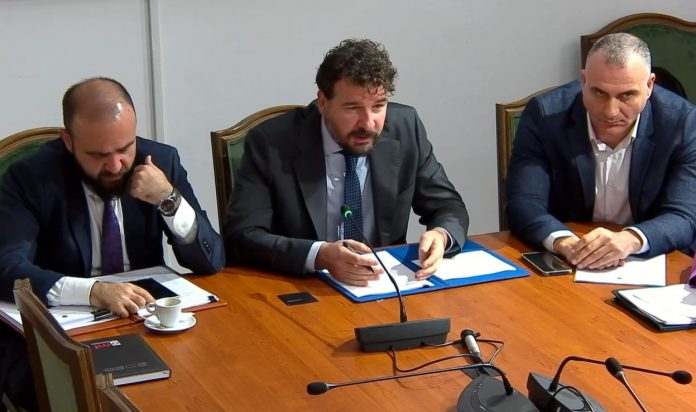
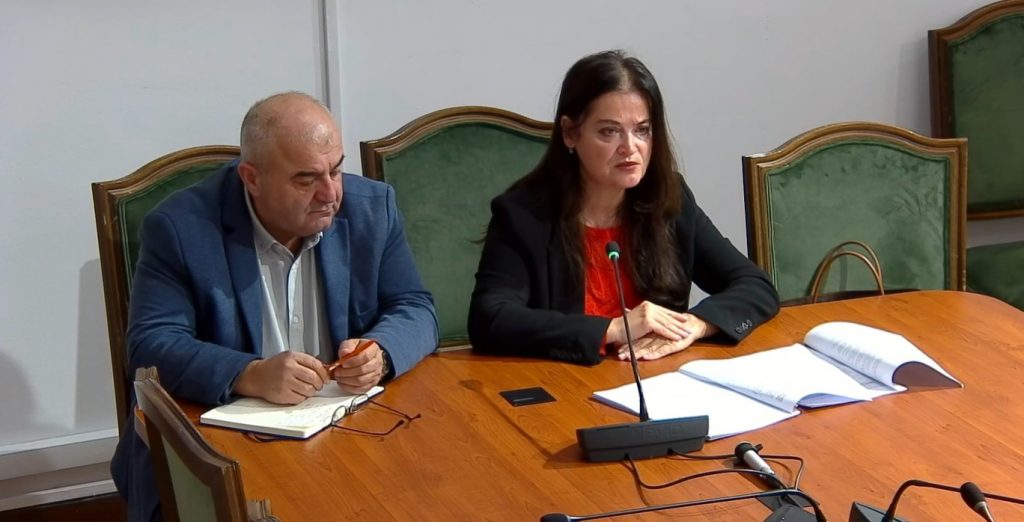
Minister of Economy, Culture, and Innovation Blendi Gonxhja, along with Minister Mirela Kumbaro Furxhi, announced a positive meeting with UNESCO Director-General Audrey Azoulay and technical representatives from both sides. This meeting marks a continuation of the Albanian government’s ongoing collaboration with UNESCO.
Gonxhja highlighted the positive evaluation received by Albanian institutions for their serious commitment and progress in following UNESCO’s tasks and recommendations. The discussions focused on sustainable development of Albania’s world heritage sites and protected areas, with a particular emphasis on the significant growth in tourism over the past two years, positioning Albania as a favored new destination.
Key Topics Discussed:
1. Butrint National Park:
– UNESCO praised Albania’s efforts in implementing the integrated management plan for Butrint, emphasizing measures for preservation and protection within the framework of economic and social development plans for the area.
– Gonxhja noted that ICOMOS recommendations align perfectly with the Ministry’s vision, as reflected in the recent draft decision published by the World Heritage Centre.
2. Vjosa Valley:
– The Ministry of Tourism and Environment has initiated the preparation of the technical dossier for nominating the Vjosa Valley as a Biosphere Reserve and a crucial natural ecosystem.
– Minister Kumbaro emphasized the government’s commitment to sustainable management of this area, highlighting its importance as a contemporary model for biodiversity conservation and eco-tourism promotion.
3. Historical Centers of Berat and Gjirokastër:
– Discussions included the current status and future management steps for these UNESCO World Heritage sites.
– UNESCO representatives pledged their support to ensure these centers remain well-preserved and capitalize on opportunities for responsible and sustainable tourism.
4. Intangible Cultural Heritage:
– The meeting also focused on Albania’s efforts to include intangible cultural heritage aspects, such as the xhubleta, transhumance, and iso-polyphony, in UNESCO’s recognition.
– New applications are pending evaluation, seen as opportunities to promote and preserve traditions across generations.
The Albanian delegation is scheduled to travel to Paris for a detailed technical meeting with senior UNESCO representatives. In July, Albania will participate in the 46th session of the World Heritage Committee in New Delhi, India.
This strengthened collaboration aims to enhance the management capacities of Albania’s cultural and natural heritage, ensuring their preservation and promotion on a global scale.
/k.s/
Të ngjashme

Latest News

Most read










 RTI