
 English
 Français
  Deutsch
 Italiano
 Turkish
 Greek
Greek Serbian
“Generation Voyage”: Discovering Authentic Albania, from Traditional Flavors to Tirana Souvenirs




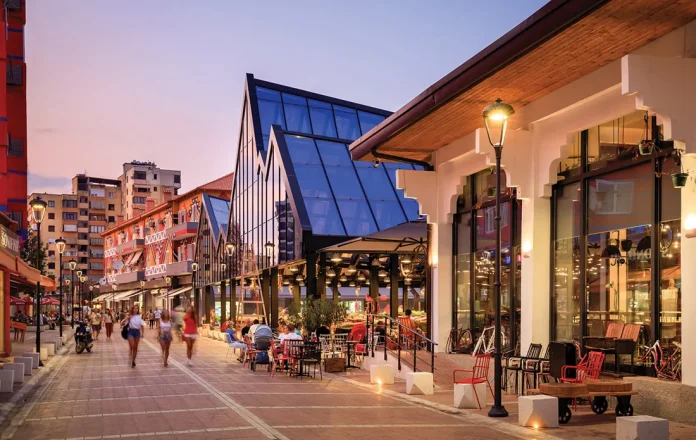
Albania offers visitors far more than typical tourist souvenirs. Traditional flavors, handmade crafts and historical objects allow travellers to take home a piece of the country’s culture and identity.
French travel media outlet “Generation Voyage” highlights several authentic products that visitors can discover in Tirana and Kruja.
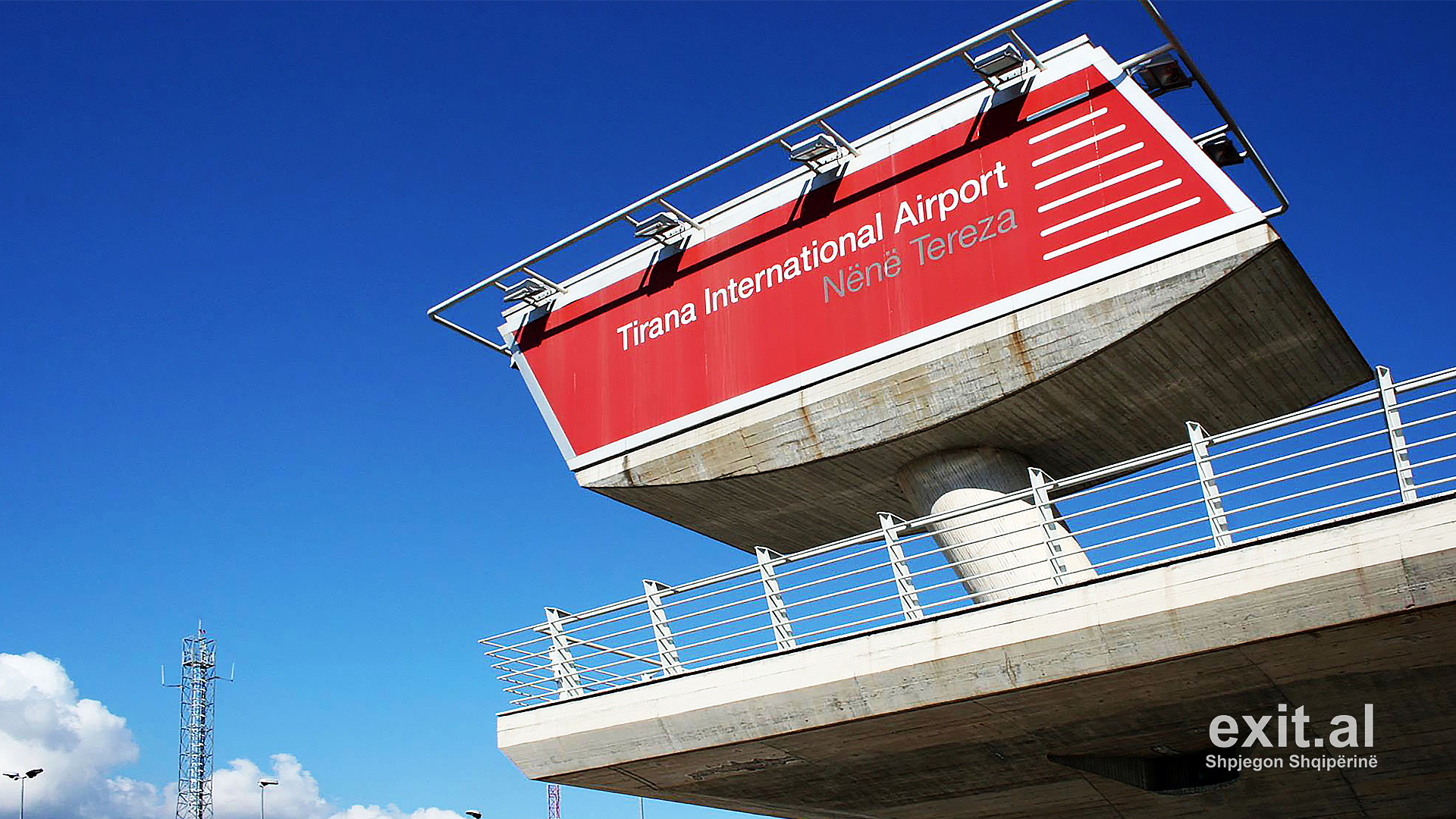
At Tirana International Airport, shops mainly sell “Skënderbeu” cognac, usually in its distinctive gold box, along with magnets featuring national hero Skanderbeg.
However, these products do not necessarily reflect the souvenirs that Albanians traditionally choose as gifts.
For a more authentic experience, visitors can explore Tirana’s markets and craft shops. They can choose from artisanal raki, carpets, gliko, honey, ceramics and objects connected to Albania’s communist past.
Two key shopping destinations stand out: New Bazaar in central Tirana and Kruja Bazaar, around 45 minutes from the capital.
Traditional raki
“Skënderbeu” cognac has been on the market since 1967. Producers make it industrially, and visitors can find it across the country, including at airport duty-free shops.
However, when Albanian families welcome guests, they traditionally serve raki rather than cognac.
Families across Albania and other parts of the Balkans have long enjoyed raki as a traditional drink. Local producers distill it in traditional stills and use different fruits depending on the region, including grapes, plums, blackberries and figs.
Raki usually contains between 40% and 50% alcohol.
At New Bazaar, small producers sell their own raki directly from market stalls. Therefore, visitors can find a more traditional product there instead of choosing goods aimed mainly at tourists.
Visitors should taste raki before buying it because producers can create very different flavors and qualities. Prices also vary.
According to the article, prices range from around €5 to €15 per liter, depending on the quality and packaging.
Mountain tea, a traditional Albanian drink
Mountain tea represents another traditional Albanian product. Locals have consumed it for generations rather than producing it specifically for tourists.
The Sideritis scardica plant grows in Albania’s mountainous regions and gives the tea its distinctive herbal taste and light aroma.
Moreover, people have traditionally used the plant for various purposes, while researchers have studied its properties since ancient times.
For travellers, mountain tea makes a practical souvenir. It weighs little, takes up little space and fits easily into luggage.
Visitors can find it in tourist shops, grocery stores, markets and supermarkets.
According to the article, a 50- to 100-gram package costs around €1 to €3.
As a result, mountain tea offers one of the simplest and most affordable ways to take a taste of Albania home.
Gliko and honey
Gliko holds an important place in Albanian cuisine and Balkan culinary traditions. Producers preserve fruit in thick syrup, and families traditionally serve it by the spoonful.
Young walnuts provide one of the best-known varieties. Producers also prepare gliko with figs, cherries and quinces.
Permet has a long tradition of making gliko. Nevertheless, visitors can also find it in Tirana without travelling to the southern town.
Honey offers another traditional option. Small beekeepers and local producers often sell mountain honey at New Bazaar.
Both products travel well when visitors pack the jars carefully.
According to the article, honey costs around €5 to €10 per jar, while artisanal gliko can cost slightly more.
Carpets for travellers with extra luggage space
Handmade carpets offer another way to take Albanian craftsmanship home. Artisans create flat-woven carpets without a raised pile and often decorate them with geometric motifs.
These patterns can represent different traditional ideas, including protection, fertility and regional identity.
Unlike heavier knotted carpets, flat-woven pieces offer a lighter option for travellers. Visitors can fold them and place them in a large bag.
Before buying a handmade carpet, shoppers should examine both sides. A dense and regular weave can indicate careful craftsmanship.
Meanwhile, Tirana has several shops selling traditional crafts. Kruja Bazaar offers an even wider selection, and visitors can often watch artisans work on their products.
According to the article, prices start at around €30 for small carpets and can reach several hundred euros for large or older pieces.
Embroidery and textiles
Albanian embroidery has deep roots in traditional clothing. Historically, artisans used embroidered designs on different folk garments.
Today, they also apply these motifs to everyday products such as tablecloths, cushions, scarves and handkerchiefs.
Regional traditions influence the designs. Some artisans use floral patterns, while others prefer geometric motifs.
Visitors can check the reverse side of the fabric to identify handmade embroidery. Slight irregularities often indicate manual work, while machine embroidery usually looks more uniform.
According to the article, handmade embroidered scarves cost around €40 to €80. Simpler cotton products, such as tablecloths and small cushions, cost around €15 to €30.
The article recommends buying from shops that clearly explain where they source their products and how artisans make them.
Communist-era souvenirs
Tirana also offers souvenirs connected to Albania’s communist past. Visitors can find busts of Enver Hoxha, period posters and other historical objects.
Enver Hoxha led Albania’s communist regime for more than four decades until his death in April 1985. Ramiz Alia then led the country until the communist system collapsed in 1991.
The period continues to generate different views across Albanian society.
For visitors interested in this part of the country’s history, Bunk’Art 1 and Bunk’Art 2 offer various related items.
Bunk’Art 1 occupies a large underground bunker in the Sauk area. Bunk’Art 2 stands in central Tirana, near the Ministry of Interior.
In addition, visitors can search for older objects around New Bazaar. Local sellers offer medals, badges, old banknotes and documents from the communist era.
Miniature concrete bunkers also attract visitors. These models recall one of the most recognizable symbols of communist Albania.
According to the article, Albania had around 750,000 bunkers by the end of the communist period. Miniature models usually cost only a few euros and remain easy to carry.
Ceramics for those who know what to look for
Handmade Albanian ceramics provide another souvenir option. However, the article notes that quality can vary among products sold in Tirana.
According to “Generation Voyage,” some of the finest examples come from Berat and Gjirokastër.
In Tirana, visitors can explore New Bazaar and craft shops in the city center.
Handmade ceramics often show small irregularities in their decorations and glaze. These details can reveal the artisan’s work.
Visitors can choose from painted cups, decorative plates featuring the double-headed eagle or Ottoman-inspired motifs, as well as vases.
According to the article, prices range from around €8 to €30, depending on the size and craftsmanship.
Where to shop in Tirana
New Bazaar offers an ideal starting point for visitors looking for souvenirs in the capital. The renovated market brings together food stalls, small craft shops and local producers.
Visitors can find raki, honey, mountain tea, gliko and spices throughout the market.
The bazaar stays lively throughout the day. However, morning hours give visitors a better chance to meet producers, taste their products and make purchases.
The Blloku area also offers local shops selling canvas bags, notebooks and posters created by Albanian graphic designers.
Both locals and tourists visit these shops, which offer relatively affordable prices.
Finally, visitors with half a day available can travel to Kruja, around 45 minutes from Tirana.
The historic Kruja Bazaar offers a broad selection of carpets, embroidery and ceramics. Nevertheless, shoppers should check the origin and quality of products carefully before buying.
From artisanal raki at New Bazaar to handmade carpets in Kruja and miniature bunker models at Bunk’Art, Albania offers souvenirs that tell stories about its traditions, culture and history.
/a.c/
Të ngjashme




Most read






 RTI
RTI