
 English
 Français
  Deutsch
 Italiano
 Turkish
 Greek
Greek Serbian
Violent Protests Shake Albania as EU and UK Call for Restraint and Accountability




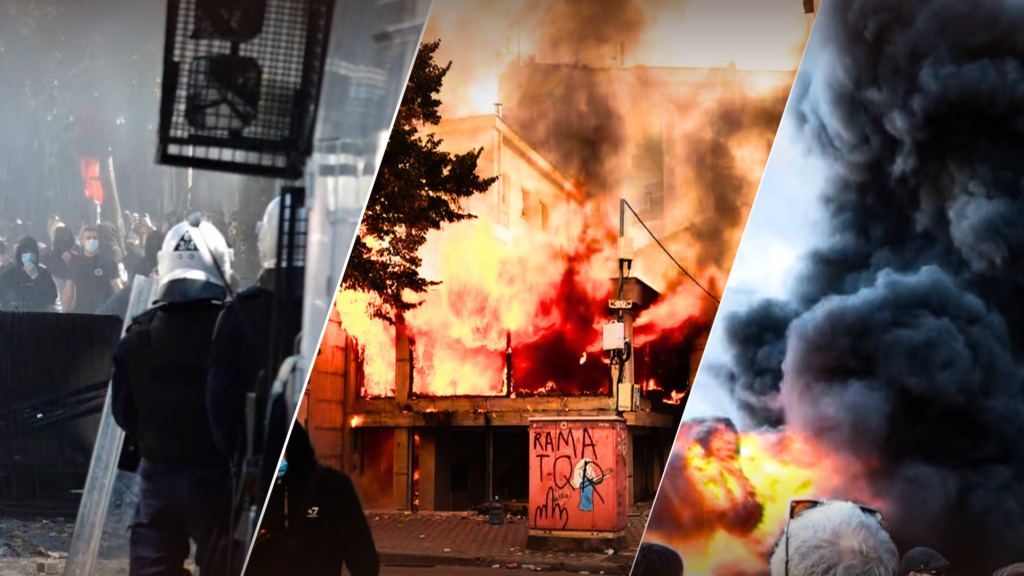
Student-led protests in Albania have escalated into violent clashes with police, drawing international attention and raising fresh questions about government accountability, corruption and the future of young people.
The demonstrations began with demands for better university conditions, lower education costs and greater financial support for students. However, they soon expanded into broader protests against Prime Minister Edi Rama’s government, with demonstrators also raising concerns about alleged corruption, social inequality and limited job opportunities.
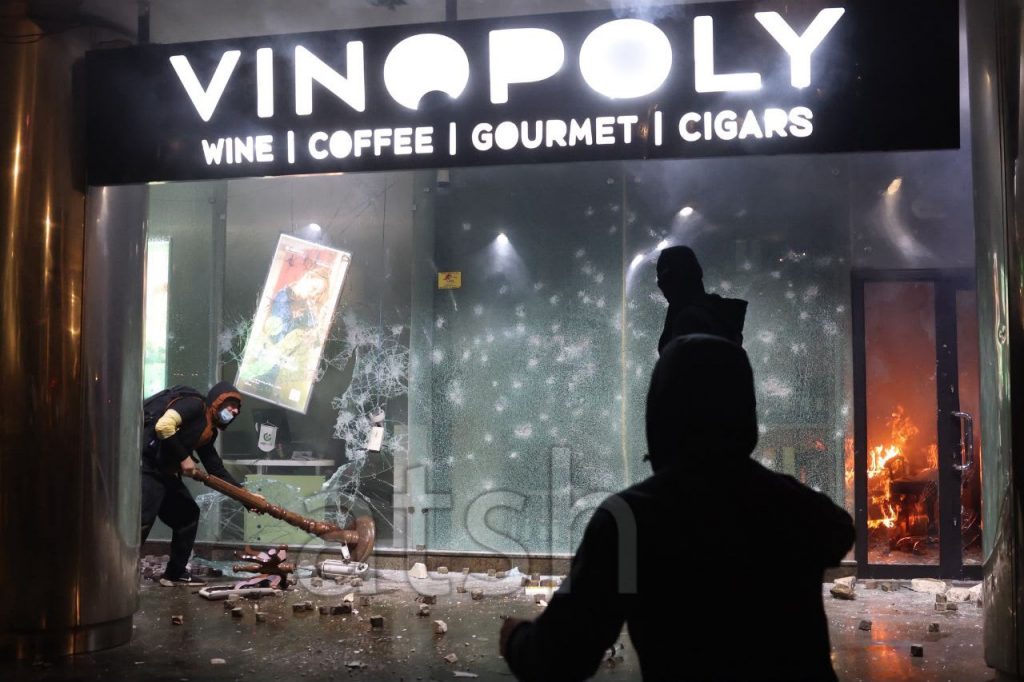
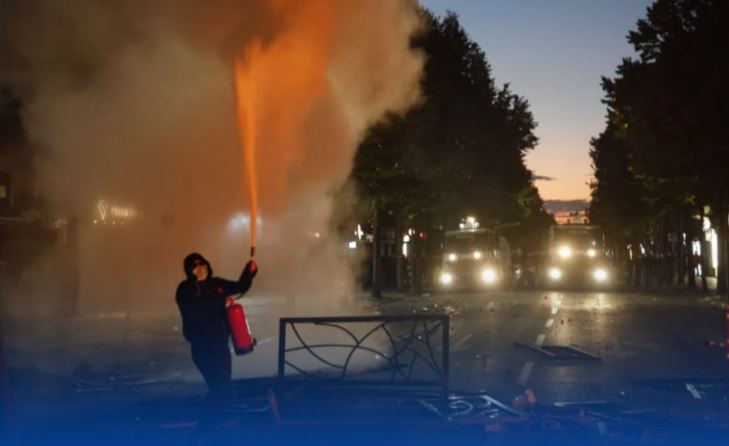
On October 13 and 14, protesters clashed with police outside the Ministry of Education in Tirana. Demonstrators threw stones and other objects, damaged the ministry’s exterior and set fires. Reports also described a fire at a nearby Raiffeisen Bank branch. Police used tear gas and water cannons to disperse the crowds.
According to reports carried by international media, police arrested 23 people following the clashes, while six police officers and a journalist sustained injuries. Authorities condemned the violence and warned that those responsible for attacks and property damage would face legal consequences.
Reuters and Al Jazeera highlighted the growing political significance of the protests. Both outlets placed the unrest in a wider context of public frustration over corruption allegations, economic pressures and the lack of opportunities for young people. They also reported that some demonstrators distrust the established opposition as well as the government.
Meanwhile, Italy’s ANSA news agency and La Repubblica focused on the clashes, property damage and protesters’ demands for political change. Their coverage brought the escalating situation in Tirana to the attention of Italian and wider European audiences.
The British Embassy in Tirana stressed the importance of protecting the right to peaceful protest and freedom of expression. It also made clear that violence and damage to public or private property cannot be justified. The embassy called on all sides to respect fundamental rights and help reduce tensions.
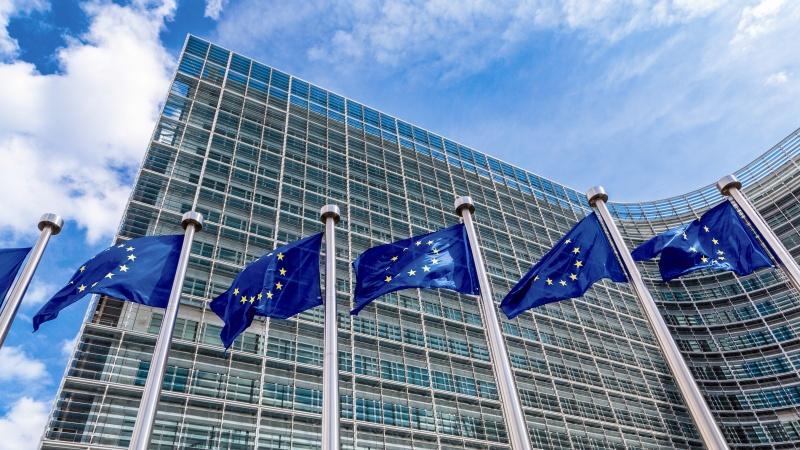
The European Union Delegation in Albania expressed concern about the violence and underlined the need for police to act proportionately. It also called for priority investigations into allegations of excessive force against protesters and journalists, stressing that freedom of assembly and expression remain fundamental democratic rights.
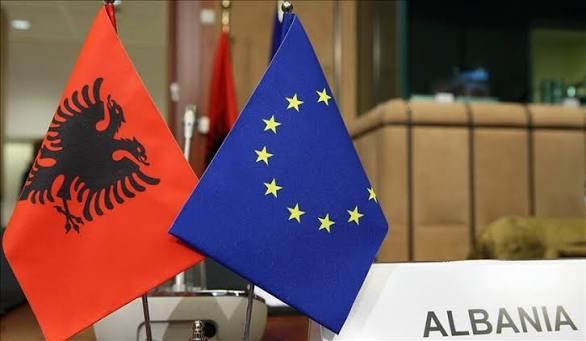
The EU’s response carries particular weight as Albania continues its accession process. Respect for fundamental freedoms, the rule of law and institutional accountability remain central to the country’s European ambitions.
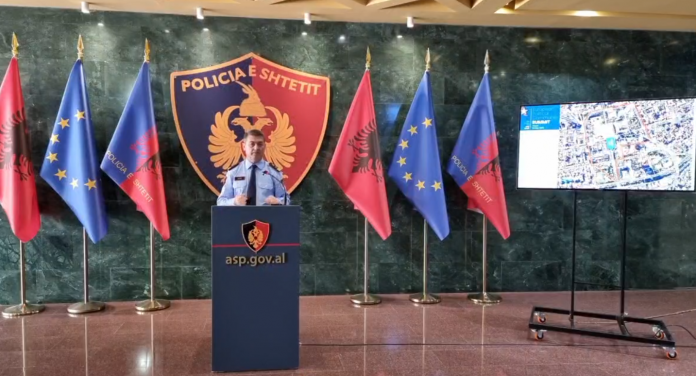
The government, meanwhile, defended the right to protest but condemned vandalism and attacks on police. Officials urged students and demonstrators to distance themselves from violence.
The protests have also unfolded against a wider backdrop of public opposition to a proposed luxury resort project in southern Albania linked to Jared Kushner, US President Donald Trump’s son-in-law. The controversy has fuelled debate over transparency, public interests and environmental protection.
The latest developments have exposed a growing divide between the authorities and sections of the public, particularly young people demanding better education, stronger accountability and greater economic opportunities.
As international scrutiny intensifies, the authorities face two major challenges: responding to the protesters’ demands and ensuring credible investigations into allegations of police misconduct. The outcome could influence both public trust in state institutions and Albania’s commitment to European democratic standards.
/a.c/
Të ngjashme
Latest News



 RTI
RTI