
 English
 Français
 Deutsch
 Italiano
 Turkish
 Greek
 Serbian
Ynet: Albania Among Countries with the Biggest Tourism Transformations




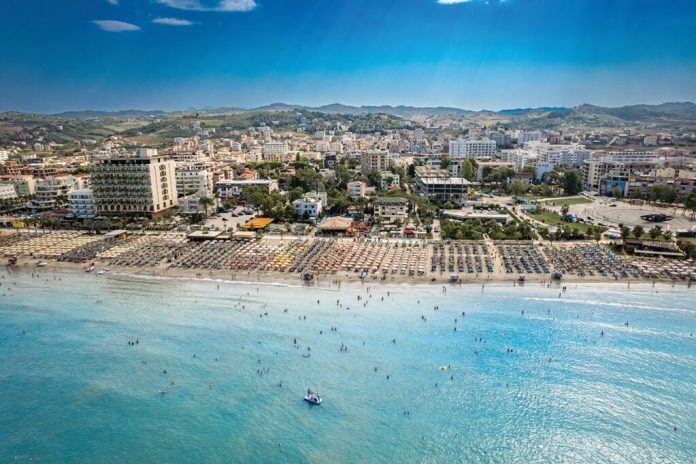
Albania ranks among the countries that have undergone the most dramatic tourism transformations in Europe, evolving from one of the continent’s most isolated nations into an increasingly popular destination for international visitors, Israeli media outlet Ynet News reports. Journalist Asaf Rosen highlights the country’s opening after the fall of communism, its natural beauty and relatively affordable prices as key factors behind this growth.
The transformation forms part of a broader shift in global tourism. Wars, political changes, border openings and major investments have reshaped the fortunes of destinations around the world. Dubai, for example, has emerged as a major tourism hub, while Iceland has recorded a sharp rise in visitors and Eastern European countries have opened up to international tourism. Meanwhile, other destinations have faced declining visitor numbers or are working to rebuild their image.
Iceland offers one striking example. A volcanic eruption in 2010 disrupted much of Europe’s air traffic. Yet, just eight years later, the North Atlantic island welcomed five times as many tourists. Similarly, Medellín in Colombia has transformed its image. Once closely associated with Pablo Escobar’s drug cartels, the city now attracts visitors to neighbourhoods that once suffered from widespread violence.
Cuba, however, has followed the opposite path. The island once welcomed nearly five million tourists annually, but today its tourism sector faces a deep crisis. These contrasting cases show how political decisions, long-term developments, investment and changing perceptions can reshape a destination’s international appeal.
Albania: From Europe’s Most Isolated Country to a Major Balkan Destination
For decades, Albania remained one of Europe’s most closed and isolated countries. Under communist leader Enver Hoxha, who ruled from 1944 until his death in 1985, the country gradually broke away even from its communist allies. Authorities severely restricted foreign travel, while international tourism remained limited and under strict state control.
At the time, few could have imagined that millions of tourists would one day choose Albania’s beaches for their holidays. The fall of communism in the early 1990s opened the country to the world, although its tourism transformation took time. The process gained momentum over the past few decades as international visitors increasingly discovered Albania’s potential.
Today, the Albanian Riviera, the historic cities of Berat and Gjirokastër, the Albanian Alps and the capital, Tirana, form key parts of the country’s tourism offer. Tirana itself has also undergone significant changes, further strengthening its appeal to visitors.
Tourism figures reflect this growing interest. According to the Ministry of Tourism, Albania recorded around 2.3 million visitors in 2010. By 2025, entries by foreign citizens had reached approximately 12.47 million. Although the figures follow different statistical definitions and cannot be directly compared, they highlight the substantial increase in travel to Albania.
Relatively affordable prices compared with many Western European destinations have also helped attract visitors. However, rapid tourism growth has brought new challenges. Coastal construction, heavy visitor concentrations during the summer season and concerns about the impact on natural landscapes have become central issues in discussions about sustainable tourism development.
These challenges were far less evident when only a limited number of tourists visited the country. Albania’s experience therefore illustrates both the opportunities and pressures that accompany a rapid tourism transformation.
Ynet’s analysis also examines other countries and regions that have experienced major changes in tourism, including Iceland, Myanmar, Dubai, Saudi Arabia, El Salvador, Turkey and countries across Central and Eastern Europe.
Të ngjashme
Latest News


Ynet: Albania Among Countries with the Biggest Tourism Transformations
Bënja Thermal Springs Attract Visitors Even in Autumn


Most read










 RTI