
 English
 Français
 Deutsch
 Italiano
 Turkish
 Greek
 Serbian
Bank of Albania brings together researchers from 44 countries to discuss monetary policy and artificial intelligence




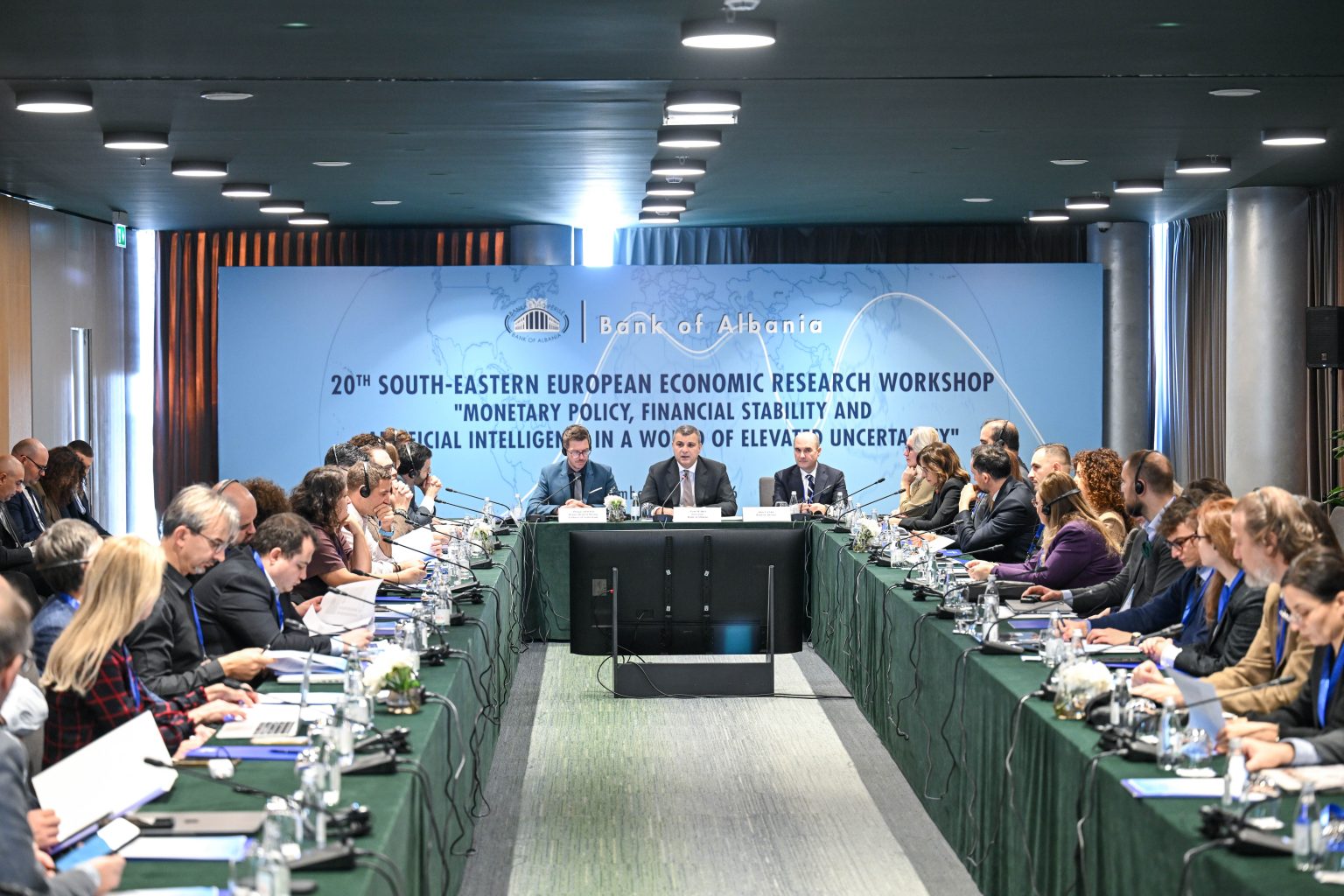
The Bank of Albania is hosting the 20th South-Eastern Europe Economic Research Workshop in Tirana. This international event focuses on monetary policy challenges, financial stability and the role of artificial intelligence amid global uncertainty.
The two-day workshop, taking place on November 24–25, will present 40 research papers by experts from central banks, universities and research institutions. Eight papers were written by researchers from the Bank of Albania, either as authors or co-authors.
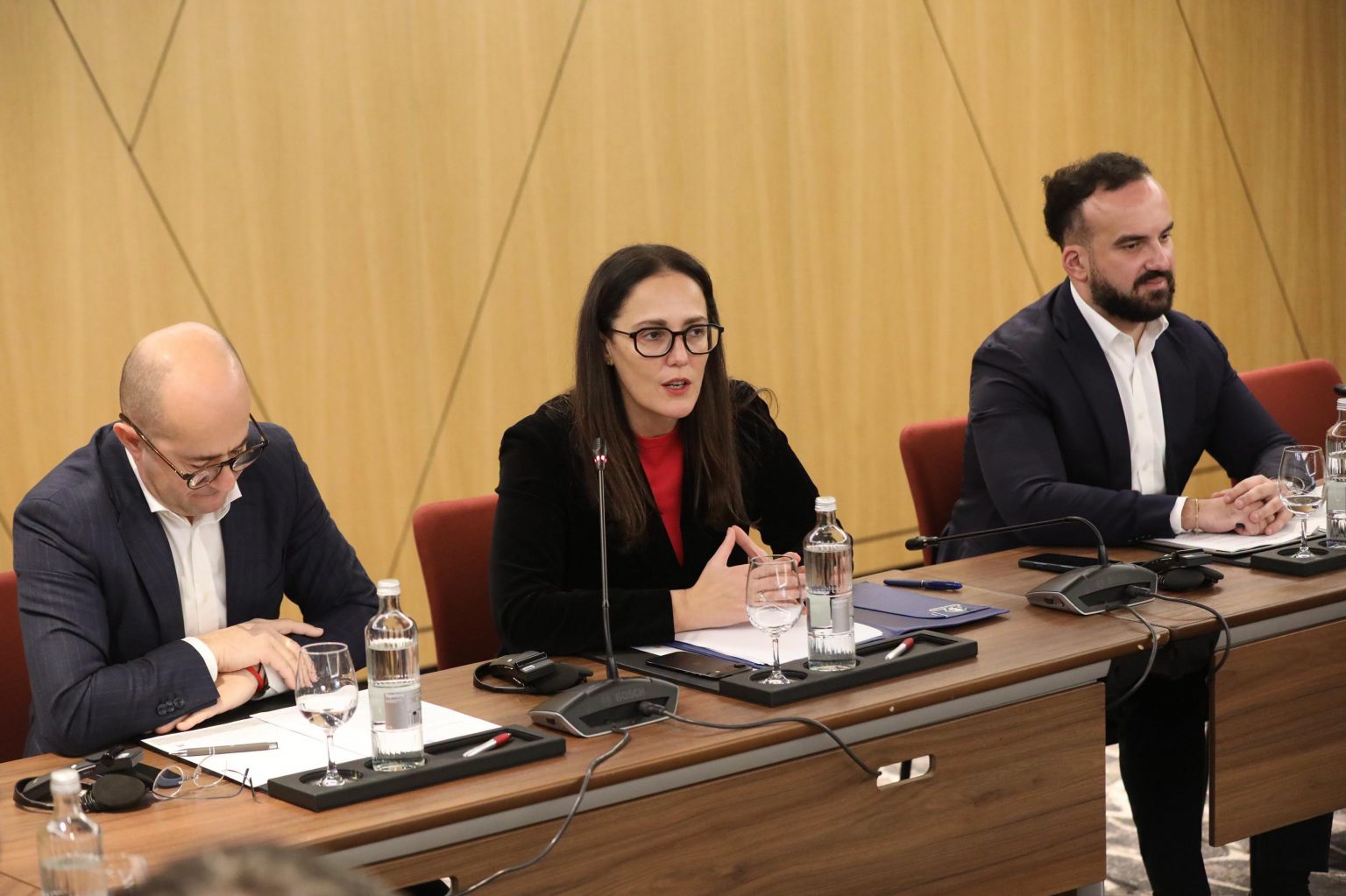
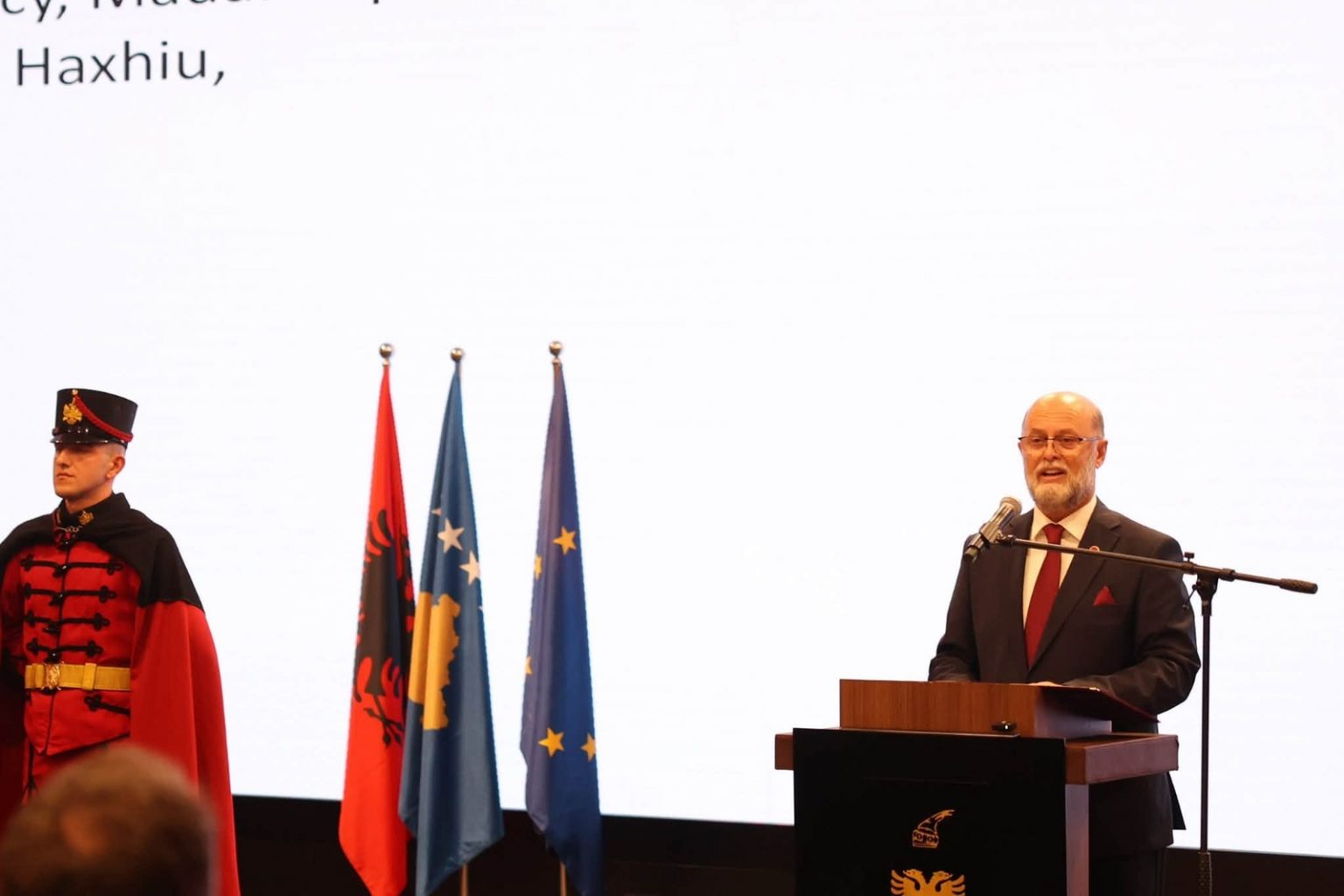
At the opening session, Bank of Albania Governor Gent Sejko and Swiss Deputy Ambassador Philipp Arnold welcomed the participants.
Sejko highlighted the challenges facing central banks amid economic uncertainty, external shocks and structural changes. He stressed that economic research helps identify risks and supports better policy decisions. He also pointed to the Bank of Albania’s research contributions to price stability and stronger financial resilience.
Furthermore, Sejko announced two new initiatives: a joint Working Paper Series and a framework allowing researchers to access the Bank of Albania’s microdata. These measures will support more in-depth studies of the Albanian economy and comparisons with other countries in the region.
Turning to artificial intelligence, Sejko underlined the importance of using new technologies in economic research while maintaining high methodological and scientific standards.
The keynote speaker is University of Chicago economics professor Harald Uhlig. On November 25, he will discuss central bank reserves and interventions when activity in secondary markets comes to a standstill.
Other topics include geopolitical risks, digital payments, exchange rates and central bank communication.
Launched in 2007, the workshop has become an important platform for economic research in South-Eastern Europe. Across its 20 editions, researchers from 139 institutions in 44 countries have presented a total of 495 scientific papers.
/a.c/
Të ngjashme
Latest News


Most read





 RTI