
 English
 Français
 Deutsch
 Italiano
 Turkish
 Greek
 Serbian
Albania and Kosovo can benefit from EU funds to complete the “Road of the Nation”




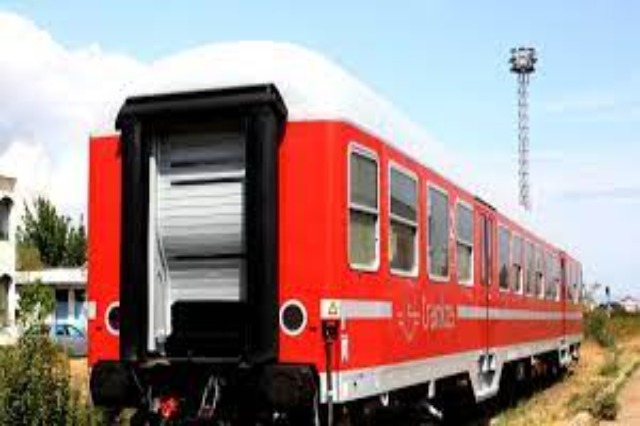
The European Union aims to prioritize billions of euros in infrastructure and interconnection projects in the Western Balkans, as part of a 30 billion-euro package that Brussels has proposed for the region.
Funding will be provided in the form of soft loans and grants within the next seven years. The objective is to connect roads and railways between the six capitals of the Western Balkans.
“The plan aims to connect roads and railways of all the capitals of the region with each other and then with the European Union,” said Enlargement Commissioner Oliver Varhelyi during a speech delivered as part of the European Commission’s Global Gateway initiative.
If they will be able to convince Brussels with the submitted projects, Albania and Kosovo can benefit from these funds to complete the “Road of the Nation” and above all to finance the costly railway project of Durres and Pristina.
The project remains an early idea, but which due to cost has been bypassed by politics on both sides of the border. At the last meeting of the two governments, held on November 26 in Elbasan, the railway interconnection was brought as a project to be considered by the working groups.
The Enlargement Commissioner cited as examples the “Blue Corridor”, a project that starts in Croatia in the north, continues in Bosnia, Montenegro, Albania and ends in Greece, and the “Peace Highway” project, which connects Pristina with Belgrade in the north and with Tirana in the South.
In both of these projects, some segments have been completed, or are in an advanced stage of works, such as “Rruga e Kombit”, or the Croatian segment of “Blue Corridor”.
A good part of the money will also be given for interconnection projects under the energy infrastructure, for the modernization of the existing networks and the construction of new interconnection lines.
The EU considers that these investments are necessary for the countries of the Western Balkans to meet the targets towards clean energy and to have access to secure energy markets, away from the influence of third countries, in this case Russia.
The figure of 30 billion euros is estimated to be sufficient in these EU targets, while it accounts for about 30 percent of the gross domestic product of the six Western Balkan countries.
/Klara Ruci/
Të ngjashme


Latest News
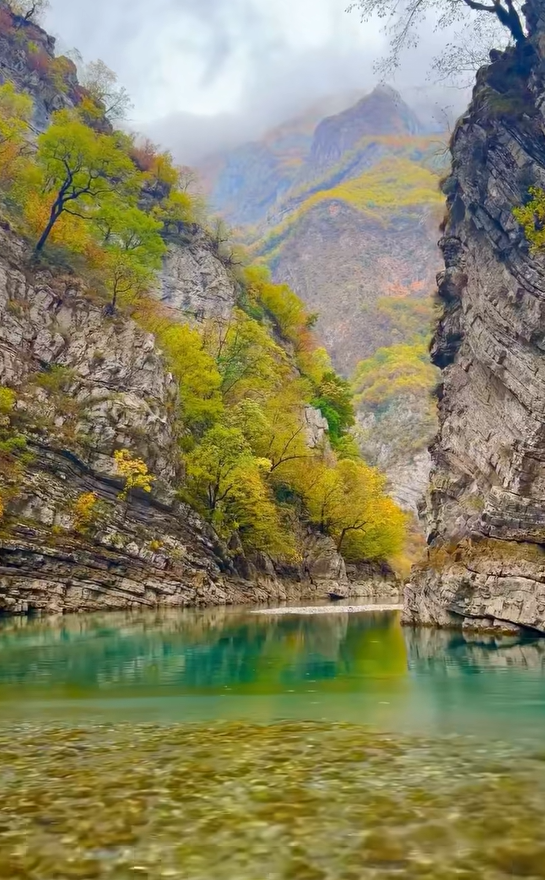
Shala River in Autumn: Crystal-Clear Waters and Mountains Create a Breathtaking Landscape

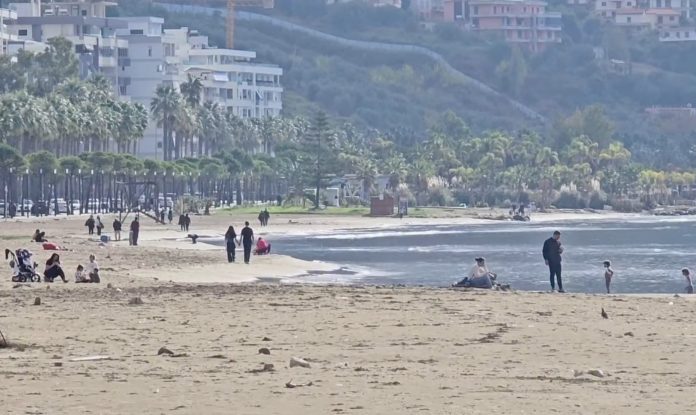
Vlora Defies November Chill as Tourists Enjoy Beach and Sea in Autumn






Most read










 RTI