
 English
 Français
  Deutsch
 Italiano
 Turkish
 Greek
Greek Serbian
Albania and Montenegro Advance Railway Modernization for EU Integration




Albania and Montenegro are accelerating toward full European Union membership. Their participation in the Trans-European Transport Network (TEN-T) reflects clear progress. However, integration brings both opportunities and challenges. Modernizing railway infrastructure and meeting European standards remain essential to strengthen regional connectivity.
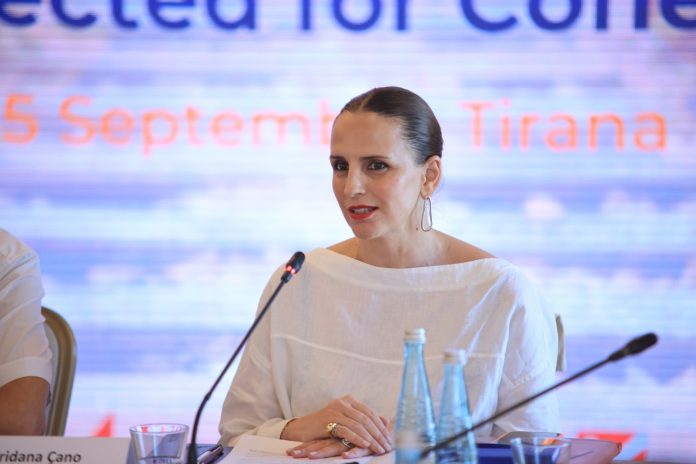
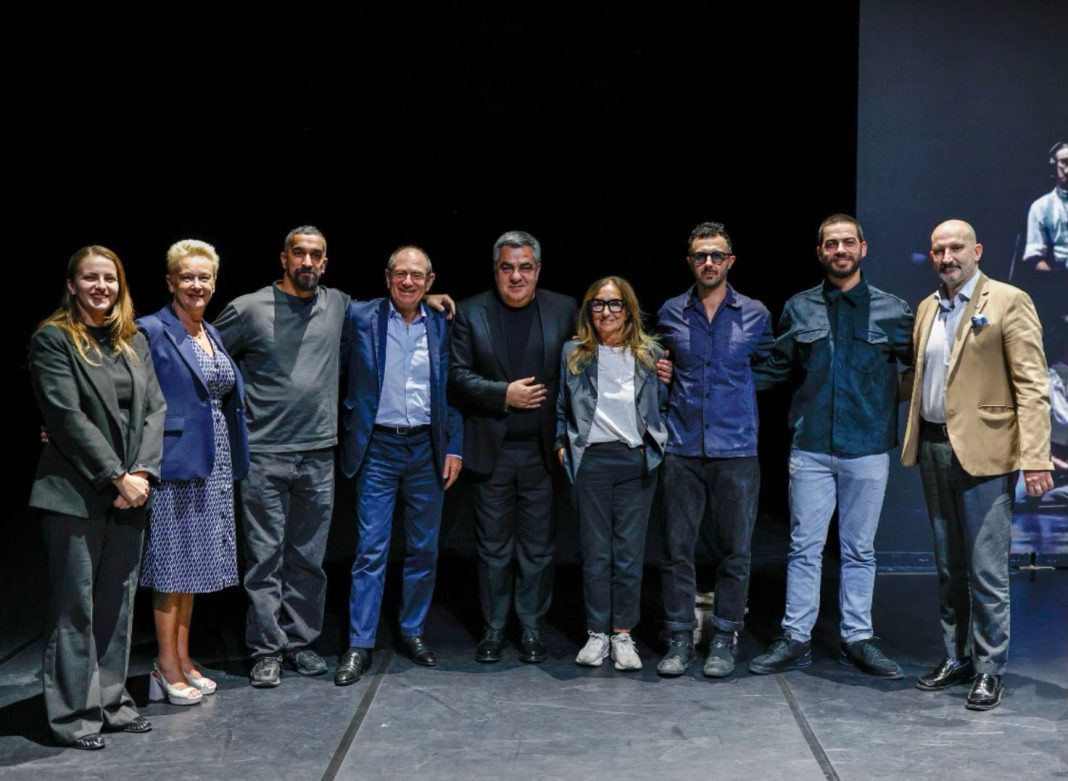
The Institute for Cooperation and Development (CDI), together with partners from Albania, Montenegro, and Italy, launched the “Connected for Cohesion” (Co4Co) initiative in Tirana. Co4Co is co-financed by the Interreg IPA South Adriatic 2021–2027 program. The project strengthens railway connectivity, institutional capacity, and regional coordination. As a result, it lays the foundation for EU integration of Albania and Montenegro by 2030.
The launch occurred during the Tirana Connectivity Forum 2025. Representatives from national governments, EU institutions, and regional infrastructure agencies discussed railway reforms, EU funding readiness, and cross-border cooperation. Meanwhile, the forum highlighted the need for faster coordination among regional authorities.
Co4Co prepares the railway sector for 2030. In addition, the initiative aims to create a more connected region with a stronger voice in EU decision-making. Albania, Montenegro, Puglia, and Molise coordinate to ensure that regional priorities are reflected in EU cohesion, competitiveness, and enlargement policies. The initiative coincides with preparations for the new Multiannual Financial Framework.
The Montenegro Embassy in Albania confirmed its commitment to regional connectivity. At the same time, Co4Co is expected to support a greener, more inclusive, and better-connected region.
The initiative empowers Albanian institutions, national railway companies, and policymakers to use EU instruments effectively. It also creates a foundation for larger investments and ensures that TEN-T projects follow the highest standards.
Co4Co involves five partners: CDI (Lead Partner), Albanian Railways, Montenegro Railway Infrastructure, and the Italian regions of Puglia and Molise. The project runs until September 2027. Partners view it as a dynamic platform to strengthen institutional readiness and accelerate railway modernization. Railway companies will use EU instruments. In addition, regional authorities will implement new cooperation models, and civil society will contribute through research, data production, and advocacy.
The European Commission highlighted that Co4Co leverages Italian experience and promotes equal cooperation between EU member states and candidate countries. As a result, the initiative contributes to the EUSAIR Transport Masterplan by closing connectivity gaps and creating synergies between sustainability, competitiveness, governance, and regional collaboration.
Co4Co aligns with the two main pillars of the Railway Work Plan: modernizing railway lines and strengthening cooperation between Western Balkan countries and EU member states. Therefore, Albania’s Ministry of Infrastructure and Energy reaffirmed its commitment to railway connectivity and transport as strategic tools for EU integration by 2030. The ministry also emphasized Co4Co’s role in transferring Italian knowledge and expertise and effectively using EU financing instruments.
/a.p./
Të ngjashme

Latest News


Most read



 RTI
RTI