
 English
 Français
 Deutsch
 Italiano
 Turkish
 Greek
 Serbian
Albania, the European green country




Climate and nature crises have plunged European countries into a new kind of healthy rivalry with each other, according to Euronews.
In the race to achieve net zero emissions and restore depleted ecosystems, a win for any country is a win for all.
It’s certainly not a level playing field. From the sunny plains of Spain to the underground heat of Iceland, each country has its own unique natural resources. As well as its particular political and economic context that can help or hinder climate action.
This month, we’re celebrating a European country that has done the right thing for one of its most precious natural features, Albania, says Euronews.
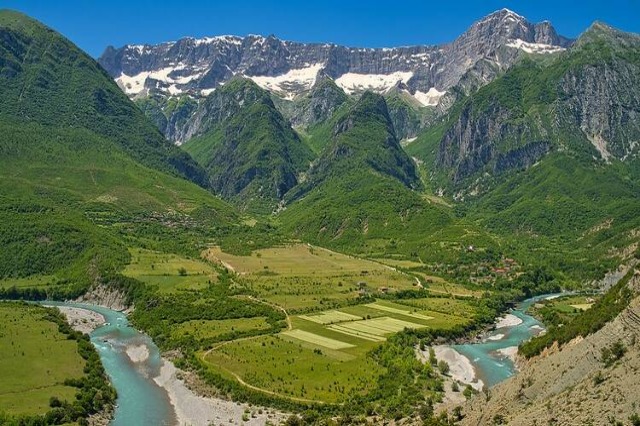
Albania protected one of the last wild rivers of Europe. On March 15, the Albanian government declared the River Vjosa a national park, preserving it for generations to come.
The Vjosa is one of Europe’s last wild, free-flowing rivers. Stretching from the slopes of the Pindis Mountains to the Adriatic coast, this is the first “Nature River National Park” on the continent.
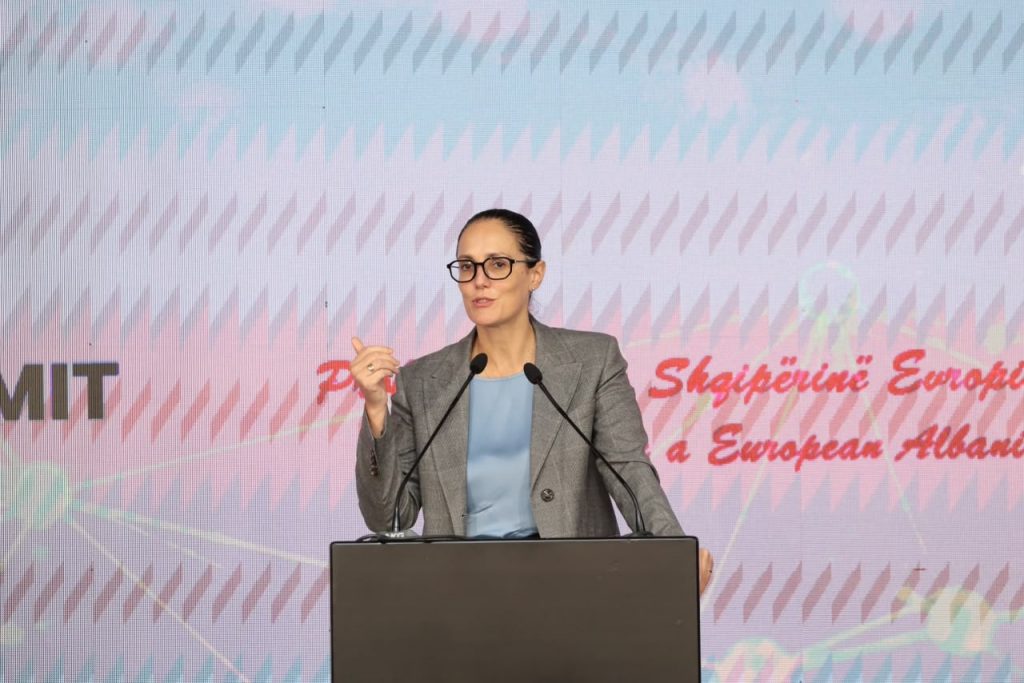
“Perhaps Albania does not have the power to change the world, but it can create successful models of protecting biodiversity and natural resources”, says Albanian Minister of Tourism and Environment, Mirela Kumbaro Furxhi.
The protected park status is a shield for over 1,000 species that live in the river and its surrounding areas, from rare vultures and European eels, to otters and the critically endangered Balkan lynx.
Judging the competing human interests in the river was no easy task. At one point, 45 dams were proposed in Vjosa and its tributaries. Developers sought to make the most of its hydropower potential as the country depends on this renewable resource.
After years of campaigning by the “Save the Blue Heart of Europe” coalition, no dams, dredging or other harmful activities were allowed on its banks.
Albania’s energy production is already 100 percent renewable, but the country is working to diversify its sources as the reliance on water is highly dependent on climate changes.
According to Minister Kumbaro, Albania has in order a long-term strategy and an action plan to increase the generation capacity of renewable energy sources by installing new solar and wind power plants.
Albania also revised its Nationally Determined Contribution (NDC) commitment with an ambition to reduce its already low greenhouse gas emissions by 20.9 percent by 2030.
The country seeks to develop its tourism industry, but in an effort to do so sustainably. Albania cannot change the world, but can create models says Kumbaro, adding that though they might look like small changes for the world, are rather real revolutions.
/a.p./
Të ngjashme
Latest News

Most read










 RTI