
 English
 Français
 Deutsch
 Italiano
 Turkish
 Greek
 Serbian
Albania through pandemic




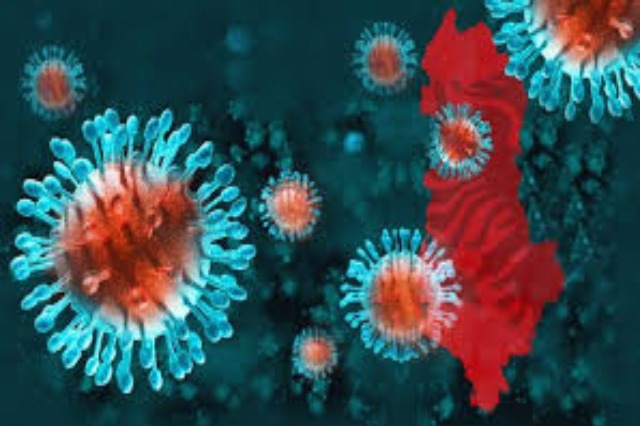
We have spent a year that no one expected. The beginning of March 2020 brought an unforeseen turn of events around the world, including Albania.
The country was forced to close immediately, in line with what was happening rapidly across Europe, in the face of a virus, which was not known and it was not known how to fight it. All countries chose to protect health in the face of the economy, until they gradually reached its solution, either through cure, or by inventing the vaccine.
Today, a year after the pandemic began, the assessment of what has happened in the country is clear:
– The immediate closure in the second quarter had serious consequences for the economy. Gross Domestic Product fell by 10.2% in the second quarter, after shrinking by 2.5% in the first, marking the most negative performance since 1997. The decline slowed in the third quarter, but for the 9-month period (data last available), the country shrank by 5.52%. After the strong closure, the government no longer “dared” with other harsh quarantines, contenting itself with some slight restrictions.
It did not do so even in November and December, when the pandemic wave was strong, significantly increasing fatalities in the country and creating overload in the health system. On the verge of the elections, budget spending continued rapidly, opening up fronts for major infrastructure projects, leaving less room for unexpected expenses contrary to the advice of the International Monetary Fund.
-Mortality in the country has risen above the European average: The choice of economy before health (a dilemma in fact that developed countries took in favor of life) did not come without consequences. In 2020, according to official INSTAT data, the number of lives lost increased by over 26%, which is the highest in Europe (second is Macedonia with + 22%).
Preliminary data from the Civil Registry show that from March 2020 to February 2021, there are about 8,500 more deaths compared to the same period a year ago, with an increase of about 39%, compared to the same period of the previous year. In the last four months alone, November 2020-February 2021, when two waves of pandemics peaked (November-December and then February) and the government resisted closing the country, there were about 6,000 additional fatalities, or about 70% of total losses of lives in a pandemic year.
-Informality increased: Indirect indicators, such as the growth of money outside banks, which has reached record levels, or record investments in real estate during the quarantine period indicate an increase in informality in the economy. A recent US State Department (DASH) report noted that Albania remains vulnerable to money laundering due to corruption, organized crime and the informal sector, including money coming in from abroad.
-The crisis highlighted the structural problems of the economy. Concentration on trade and services, large number of small entities, high level of self-employment (almost 35% of the total), informality of work, lack of competitiveness, use only of the advantage of free labor, lack of sophistication, etc., were structural problems of our economy, which worsened more during the pandemic. Closing rates of small entities have increased (for January-February this year, businesses that went into passive status increased by 26%). The structural changes that were expected to occur have gradually accelerated the pace and in the short term, this may lead to a deterioration of self-employment indicators.
-The new normality will last long. Although many variables of the equation are already known, its solution seems far-fetched. The good news about vaccines and their efficacy is often overshadowed by new variants of viruses that spread faster or are more deadly.
This year, people have changed their lifestyle; businesses have been forced to reflect; only the government seems to have taken it a little easier. While predictions remain difficult, one thing is certain at the moment: we need to get used to it and adapt, as coexistence with the virus seems to be long!
/Klara Ruci/
Të ngjashme







Most read










 RTI