
 English
 Français
 Deutsch
 Italiano
 Turkish
 Greek
 Serbian
Albanian musical instrument Lahuta




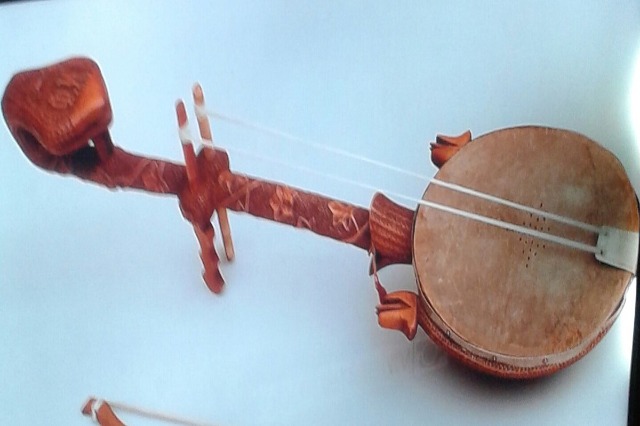
The Lahuta, also known as the “Highland Lyre,” stands as a quintessential Albanian musical instrument, encapsulating the very essence of Albanian culture and history. Crafted from wood with intricate and unique designs, this string instrument holds profound significance within Albanian society, symbolizing resistance, patriotism, and national identity.
While bearing some resemblance to the lute, the Lahuta is a distinct instrument that occupies a special place in Albanian culture and tradition. Sharing common elements such as the resonating chamber, neck, and strings, its design and sound may vary. Played by plucking the strings with fingers or a plectrum, it produces distinctive melodies and unique tones.

Origin and Historical Significance
The origins of the Lahuta trace back to ancient times, likely rooted in antiquity. Its history intertwines closely with Albanian oral tradition, where bards, known as “lahutar,” utilized this instrument to accompany their epic narratives and heroic songs. These bards played a pivotal role in preserving the collective memory and history of the Albanian people, transmitting tales of bravery, struggles for freedom, and resistance against foreign incursions.
Symbol of Resistance
Throughout the centuries, the Lahuta has emerged as a potent symbol of resistance against oppression and injustice. Particularly during periods of foreign domination, notably under the Ottoman Empire, Albanians employed music and poetry as tools to defend their national identity and nurture the spirit of resistance. The Lahuta often featured prominently in clandestine gatherings and popular uprisings, inspiring Albanians to strive for freedom.
Immutable Cultural Heritage
In contemporary times, the Lahuta remains a cornerstone of Albanian cultural heritage. While its usage has waned somewhat in daily life, it continues to symbolize national pride and resilience for many Albanians. Concerted efforts are underway to preserve and promote this traditional instrument, manifested through folk music festivals, audiovisual recordings, and educational initiatives aimed at passing on its significance to future generations.

Cultural Renaissance
Recent years have witnessed a resurgence of interest in traditional Albanian music, including the Lahuta. Young musicians and artists are rediscovering this ancestral instrument, integrating it into their performances and breathing new life into its legacy. This cultural renaissance reflects the enduring desire of the Albanian people to reconnect with their roots and celebrate their distinctive cultural heritage.
In summary, the Lahuta transcends its role as a mere musical instrument for the Albanian people. It stands as a living testament to their history, identity, and ongoing struggle for freedom. As time progresses, this instrument continues to inspire and unite Albanians, serving as a poignant reminder of their resilience and determination to safeguard their culture and traditions for generations to come.
/k.s/
Të ngjashme

Latest News










Most read










 RTI