
 English
 Français
  Deutsch
 Italiano
 Turkish
 Greek
Greek Serbian
Albanians in Presevo Valley Protest Against Address Deactivation




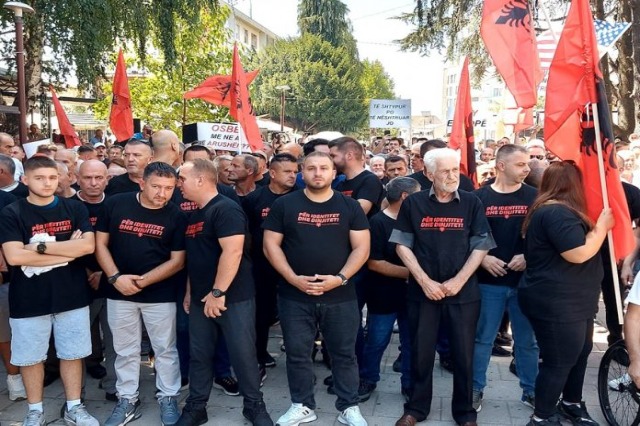
Albanians in Serbia’s Presevo Valley protested on Sunday for the third time in recent months, condemning what they call discriminatory actions by Serbian authorities against the Albanian minority. Protesters gathered outside the police station in Medvedja.
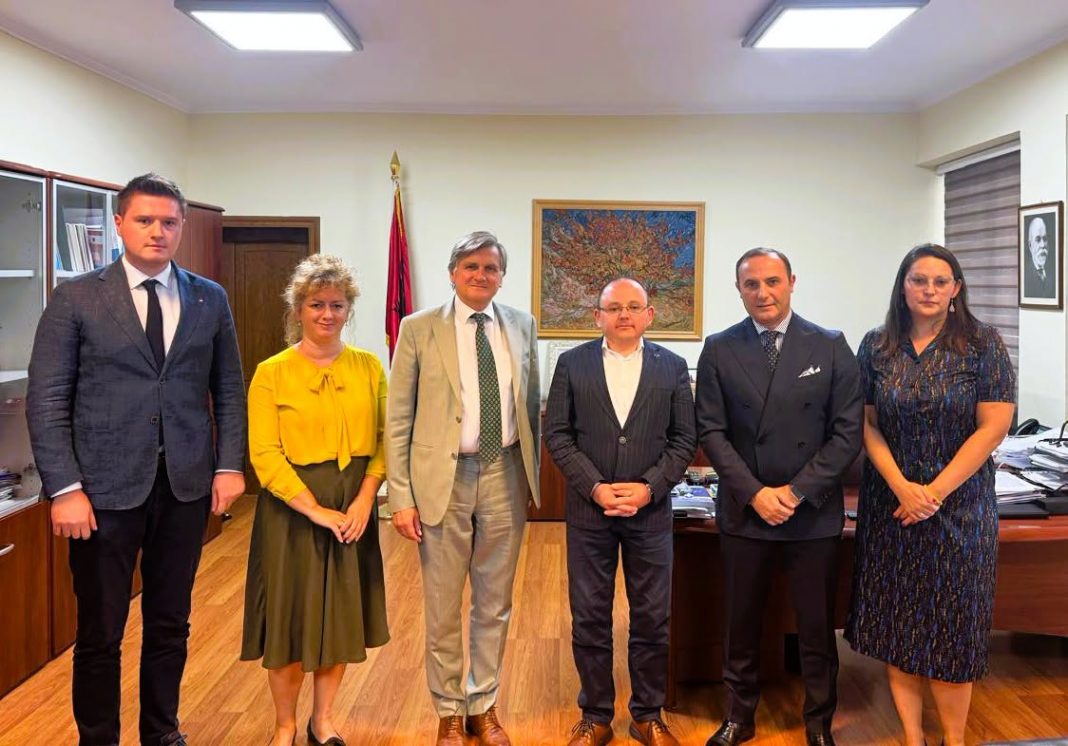
Serbia is home to over 60,000 Albanians, the fourth-largest minority group in the country, according to the 2022 census. Reports often describe the Presevo Valley—which includes the Albanian-majority municipalities of Presevo, Medvedja, and Bujanoc in southern Serbia—as isolated and mostly overlooked except during elections. Sunday’s protest was attended by Shaip Kamberi, the only Albanian member of Serbia’s parliament, along with Presevo Mayor Ardita Sinani and representatives from the Albanian National Council, which advocates for Albanian minority rights in Serbia.
In response to earlier protests, Serbian President Aleksandar Vucic said, “No one is harassing or mistreating them; Serbia is a democratic state, and we will continue to act accordingly.” Prior protests in Bujanoc and Presevo called for the recognition of Kosovo diplomas, greater inclusion in Serbian institutions, permission to use Albanian national symbols, and a resolution to the address deactivation issue.
Address deactivation removes citizens from their registered addresses, resulting in the loss of Serbian citizenship and civil rights, including voting, property ownership, healthcare, pensions, and employment.
Since 2011, Serbian law has required authorities to verify whether residents live at their registered addresses. If not, their address is deactivated, and they must register a new address within eight days.
While the law allows for appeals, residents report that, in some cases, they weren’t informed of deactivations in time to challenge them. A 2021 report by the Helsinki Committee for Human Rights in Serbia described the municipalities of Presevo, Medvedja, and Bujanoc as “hostages” to Kosovo-Serbia relations. It characterized address deactivation as “a form of ethnic cleansing through administrative measures.”
Local leaders and residents have called for international monitoring of the region’s living conditions, accusing foreign representatives in Belgrade of ignoring their concerns. The ongoing barriers and lack of investment have reportedly driven around 20,000 Albanians from the region, primarily to Kosovo.
/k.s/
Të ngjashme



Latest News






Most read






 RTI
RTI