
 English
 Français
 Deutsch
 Italiano
 Turkish
 Greek
 Serbian
Albania’s Expansion of Renewable Energy Capacity Strengthens Regional Leadership




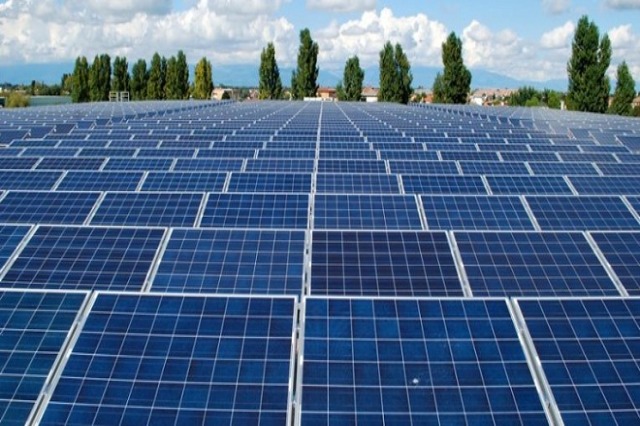
Albania is making rapid strides in renewable energy production, aiming to reduce dependence on weather conditions. As climate and energy remain at the forefront of international policy agendas, the country is actively promoting investments in the energy sector by providing a supportive and transparent framework. This approach is driving foreign direct investment, strengthening energy transmission systems to support domestic and regional energy trade, and encouraging energy-efficient practices across residential housing, public buildings, water supply systems, and irrigation.
The Priority Policy Document for 2026-2028, published in the Official Gazette, outlines the key directions of Albania’s general state policy. It highlights that the expansion of renewable energy capacities, infrastructure improvements, and alignment with EU standards have positioned Albania well to achieve energy independence and sustainability. “The country’s commitment to modernizing its energy sector will not only enhance domestic stability but also establish Albania as a regional leader in green energy,” the document states.
As part of regional energy cooperation, in early January 2025, the Albanian government signed a €1 billion cooperation agreement with Italy and the United Arab Emirates to develop an undersea energy network for transmitting renewable energy across the Adriatic Sea. The project aims to reinforce existing energy infrastructure and expand renewable energy capacity across the Mediterranean region. The network, set to be completed within three years, will stretch approximately 430 km along the Adriatic seabed, connecting Italy with Montenegro and the broader Balkans. This initiative will enable Albania to trade domestically produced renewable energy more efficiently.
The year 2024 marked a significant increase in solar energy production, contributing 6.75% of the total energy output, equal to 430,000 megawatt-hours, a sharp rise from just 1% in 2023 or 72,500 megawatt-hours. The Karavasta solar plant alone accounted for 55% of total solar energy production. Meanwhile, 16 new licenses were issued in 2024 for solar projects with a total planned capacity of 253.14 MW, compared to 9 licenses in 2023 (102 MW) and 15 licenses in 2022 (225 MW). Additionally, the floating solar plant in Vau i Dejës, with a capacity of 12.97 MWp, is progressing towards implementation and is expected to generate an average of 17,822 megawatt-hours per year. The government has also launched solar project auctions for 300 MW under long-term power purchase agreements in 2024.
Albania is expected to continue expanding its energy generation capacities, focusing on solar and wind energy growth, driven by private sector investments to further increase renewable energy contributions. Reforms in the electricity market culminated in the establishment of the Albanian Energy Exchange (ALPEX) in 2023, facilitating the trade of 827,541 megawatt-hours of energy at an average price of €106.5 per megawatt-hour, allowing for competitive pricing and greater integration with international markets. With sustained investments and policy reforms, Albania is solidifying its position as a leader in renewable energy in the region.
/a.p./
Të ngjashme


Latest News









Most read










 RTI