
 English
 Français
 Deutsch
 Italiano
 Turkish
 Greek
 Serbian
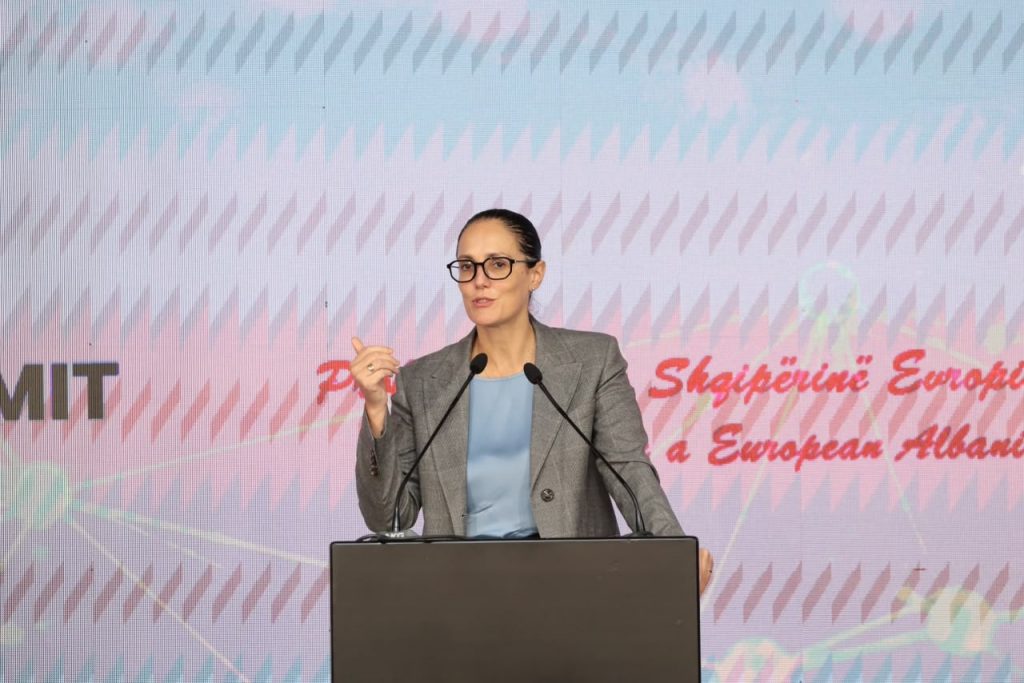
Ambassador Hastad: We are preparing the Western Balkans to become a member of the EU! Albania, progress in the Justice reform




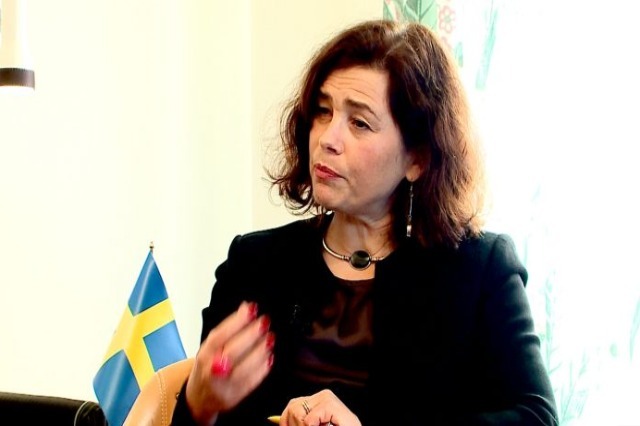
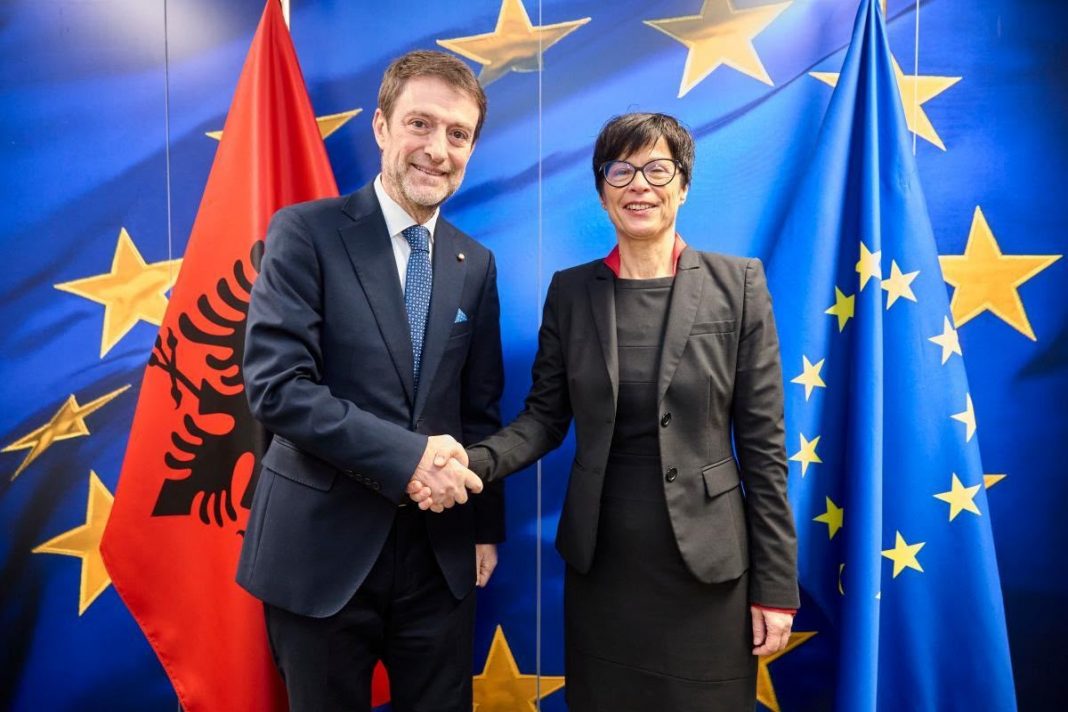
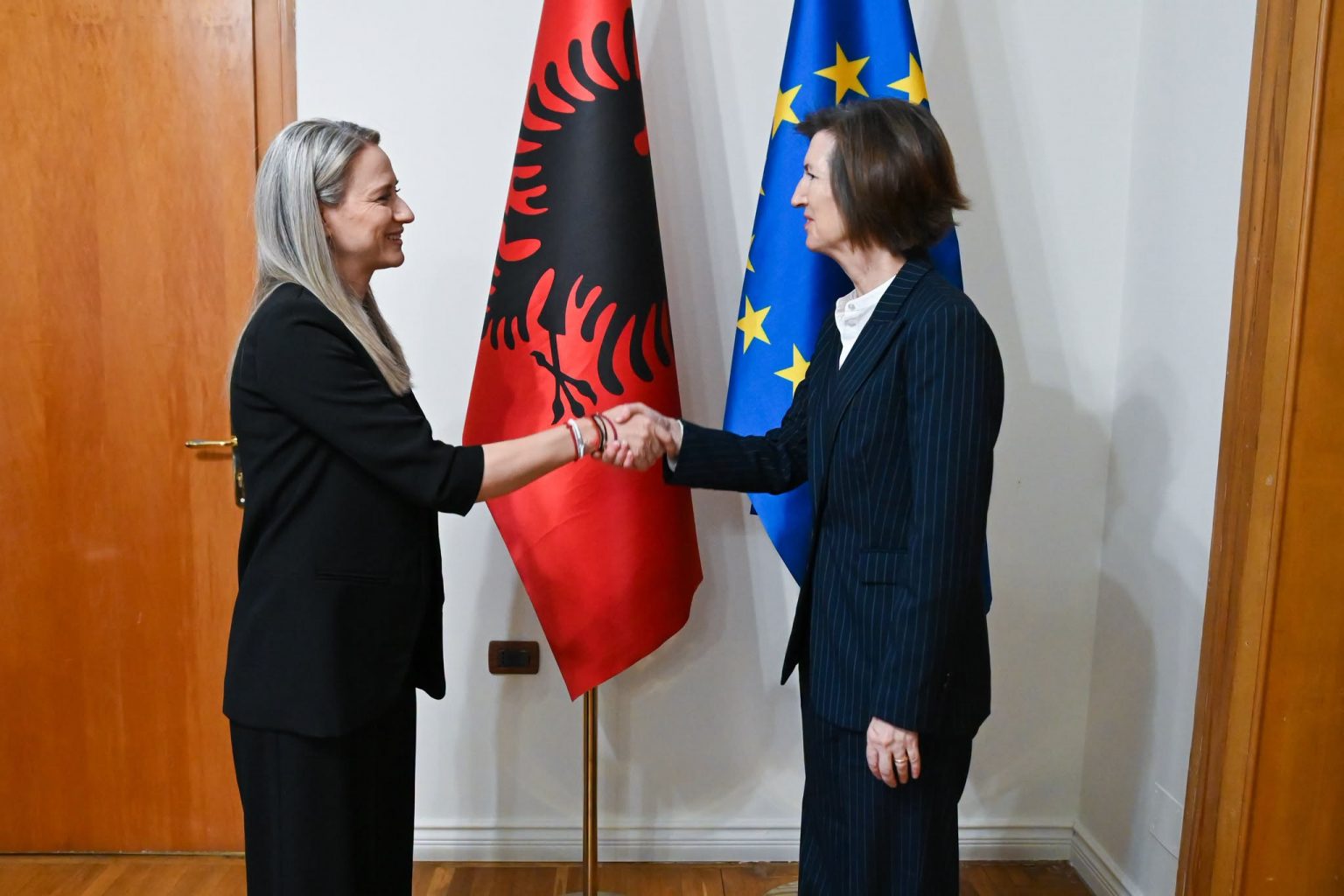
The ambassador of Sweden in Tirana has emphasized the urgent need for the integration of the Western Balkans into the European Union. In an interview for Deutsche Welle, Elsa Hastad focused on the four priorities of the Swedish presidency, one of which is the preparation of Albania and the Western Balkans towards EU membership, as she added that for this great commitment, Sweden is allocating 500 million Euro for a 7-year period.
Question: Ms. Ambassador Hastad, since one month the Swedish Presidency of the EU has started its work. Relations with the Western Balkans (BP) and the enlargement process have been mentioned as important issues of this Presidency, January-June 2033, in terms of security for all of Europe. What initiatives is the Swedish Presidency undertaking to make this attention concrete, real?
Yes, it is true, the Western Balkans is important for the Swedish Presidency of the EU. In fact it has been important to Sweden for many, many years. The Swedish Presidency has four priorities, for which we do concrete things: the first priority is competitiveness; the second priority is about a single, powerful European market. What we have been doing for 20 years is to prepare Albania and Western Balkans to become members of the EU. All these countries are at different stages of the integration process. Sweden allocates 500 million Euro for a period of 7 years to help the 6 countries of WB – Bosnia-Herzegovina, Kosova, Montenegro, North Macedonia, Serbia and Albania – to become members of the EU. That’s a big commitment, I’d like to say.
Sweden, together with Germany, are the biggest donors regarding support, financing and commitment to Albania. For us, the region is important. Every day we have a lot of cooperation. A concrete example is assistance to Albania to create financial competitiveness. We support the business community, exports to Europe, and sustainable. The environment is a very important challenge for Albania, which requires a lot of work and money. Sweden helps with experts in the preparation of Albanian colleagues regarding membership negotiations, the legal framework that Albania should have, etc. We also work in the field of democracy and law enforcement. An example is the digitization of the judicial system in Albania, with the aim of preventing corruption and accelerating the reform in Justice. We also work in the fiscal system, where Albania needs to carry out reforms, and we provide Swedish expertise. To summarize: We do what is hard. For us, it is fantastic that Albania has opened membership negotiations with the EU. We have been waiting for this for 20 years.
Question: How would you describe the situation in the Western Balkans regarding the European integration process?
I can say that things are happening. Bosnia-Herzegovina received the status of a candidate country for membership last year. We are very happy about that. Serbia is negotiating. It is very important that Serbia is in line with the EU’s security policy, as this is related to the accession negotiations. Serbia has opened more chapters. Albania has made greater progress. Every year the EU measures the progress of countries regarding their entry into the EU. North Macedonia and Albania are now entering real negotiations. I would say that Western Balkans’ success is also our success. Many countries have believed in the EU for many, many years. And with the war in Ukraine, Russian aggression against Ukraine, it has a sense of urgency. We need this process to happen. We also have Kosova. What is interesting about Kosova now is that it has submitted its application for EU membership. The Swedish ambassador in Brussels is negotiating with all member countries. He told me that he will start negotiations with the five EU countries that do not recognize Kosova. It will be a challenge. We will move forward with Kosova’s application to become a candidate country for EU membership even with countries that do not recognize Kosova. We will negotiate with all these countries. This is our duty as the Swedish Presidency.
Question: Can there be a qualified vote instead of unanimity, regarding the acceptance of Kosova’s application for EU membership? I mean here precisely the potentially difficult situation with the five EU member states that do not recognize Kosova, which you just mentioned.
Each country must agree to move forward with the application. Then the recommendation goes to the European Commission, which makes the decision. So it is a long process that takes time.
Question: Will there be an acceleration of pace in the integration process for the Western Balkans during the 6 months of the Swedish presidency?
Yes, absolutely yes. I would like to say that every day a great deal is being done. For example The EU evaluated Albania in the negotiations regarding the first group of issues, which is a large chapter. Hundreds of people are going from Albania to Brussels presenting the implementation of the law, the reform in Justice, Constitutional Court, etc.
Questions: Reforms in general and especially the deepening of the Justice reform are considered decisive for Albania’s progress towards the EU. Is Albania on the right track? What should be done better to respond to the expectations of Albanian citizens to fight corruption at high levels?
What we notice is that in Albania, there is a new energy for reforms, there is a new will to push them forward, precisely because the negotiations for its entry into the EU have begun. We see that the ministries have the will to do difficult things. We see that they want to prioritize human resources. And this is a good sign. Albania is forced by the EU accession process to reform. This is happening. Albania has made a lot of progress in justice reform. I think that even the population in Albania perceives the Justice reform as such, successful. The progress is very impressive indeed, but it is not enough. I think that in order to change people’s perception of state institutions, these institutions must be open and accessible. In Sweden we have worked hard to achieve this. Every year in Sweden, the level of credibility of citizens towards state institutions is measured, their opinion of whether the people in these institutions have worked well or not. SPAK (Special Anti-Corruption Structure) should be supported as it is a very important institution that deals with corruption at a high level. Fighting corruption is possible, but difficult because it affects all areas of life. Sweden is supporting the digitalization of the traffic police to avoid cases of corruption between drivers and traffic police.
/a.p./
Të ngjashme
Latest News
Most read










 RTI