
 English
 Français
 Deutsch
 Italiano
 Turkish
 Greek
 Serbian
Bank of Albania cuts key interest rate to 2.50%, aiming to boost lending and stabilize inflation




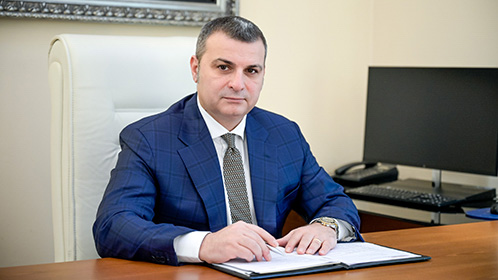
The Bank of Albania has lowered its key interest rate. It now stands at 2.50%, down from 2.75%. Governor Gent Sejko made the announcement today during a press conference, shortly after the Supervisory Council meeting.
Along with the base rate, the Bank also reduced the overnight lending rate. It drops from 3.75% to 3.50%. The overnight deposit rate falls as well—from 1.75% to 1.50%.
Governor Sejko explained the move. He said it aims to create more favorable monetary conditions. The goal is to bring inflation back to target—on time and in a sustainable way.
“This decision,” he said, “reaffirms our commitment to restoring inflation to target as quickly as possible. It also creates more accommodative monetary conditions to support credit growth and exchange rate stability.”
He stressed the importance of flexibility. The decision, he noted, follows a data-driven approach. It also aligns with the European Central Bank’s current policy stance.
Steady Economic Growth
Sejko spoke about the broader economy. He said Albania continues to grow at a steady pace. According to INSTAT, economic activity increased by 3.4% in the first quarter of the year.
This growth comes from several sources—higher consumption, more investment, and stronger foreign demand. The construction and services sectors saw solid gains. Meanwhile, industry and agriculture remained weak.
The labor market showed positive signals too. Employment in non-agricultural sectors kept rising. The unemployment rate dropped to 8.7%. Wages went up by 9.6% in the first quarter.
Sejko welcomed these developments. However, he also issued a warning. If wages keep rising too fast, production costs may go up. That could lead to new inflationary pressures.
Inflation and External Risks
Inflation remains low for now. It averaged 2.3% in April and May. Stable commodity prices and weak import pressures played a role.
Still, Sejko urged caution. External risks are real. Geopolitical tensions and a slowing global economy could change the outlook quickly.
For this reason, the Bank remains flexible. It will adjust policy as needed.
The forecast stays optimistic. The Bank expects inflation to return to its 3% target by early 2026. Continued economic growth and financial stability will help achieve that goal.
Sejko closed with a clear message. The interest rate cut fits into the Bank’s long-term plan. It aims to maintain price stability, stimulate lending, and safeguard financial stability.
Të ngjashme


Latest News









Most read










 RTI